


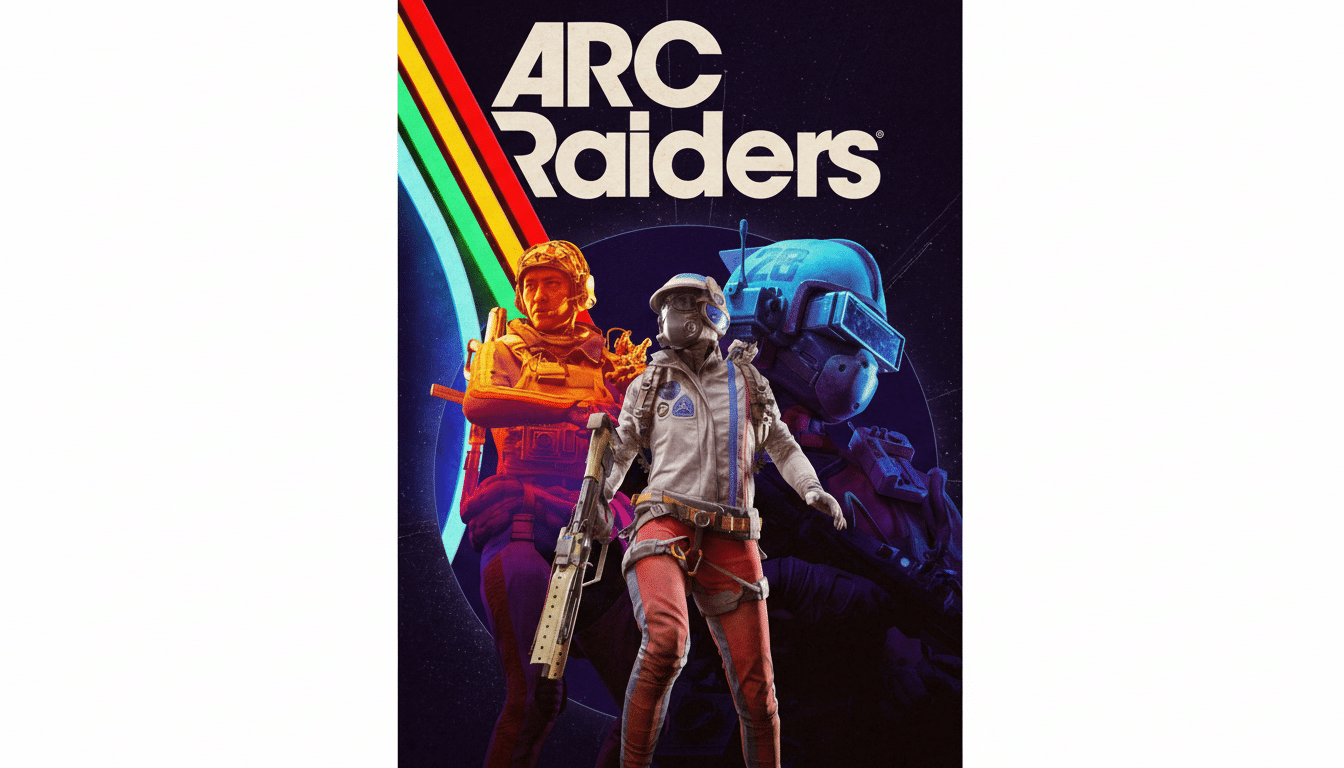
Embark Studios is dialing back synthetic speech in ARC Raiders, opting to re-record key lines with professional voice actors after the game’s blockbuster debut. CEO Patrick Söderlund told GamesIndustry.biz the pivot is driven by quality and immersion, acknowledging that seasoned performers still deliver nuance that text-to-speech systems can’t reliably match.
The move comes on the heels of strong player adoption: ARC Raiders has notched millions of sales and weekly active users, a scale that puts any rough edges—especially robotic delivery—under a brighter spotlight. Early feedback frequently praised the world-building while calling out AI dialogue as a tonal mismatch in story-driven moments.
Embark Pivots After Launch to Recast Key Dialogue
Söderlund described a selective approach rather than a full rollback. Embark is prioritizing scenes where emotional clarity, timing, and subtext matter most, with human actors replacing AI lines in those moments first. Not every AI-generated clip will be retired, but the highest-impact content is being “upgraded,” a telling indicator of how the studio now weighs voice work against speed and cost.
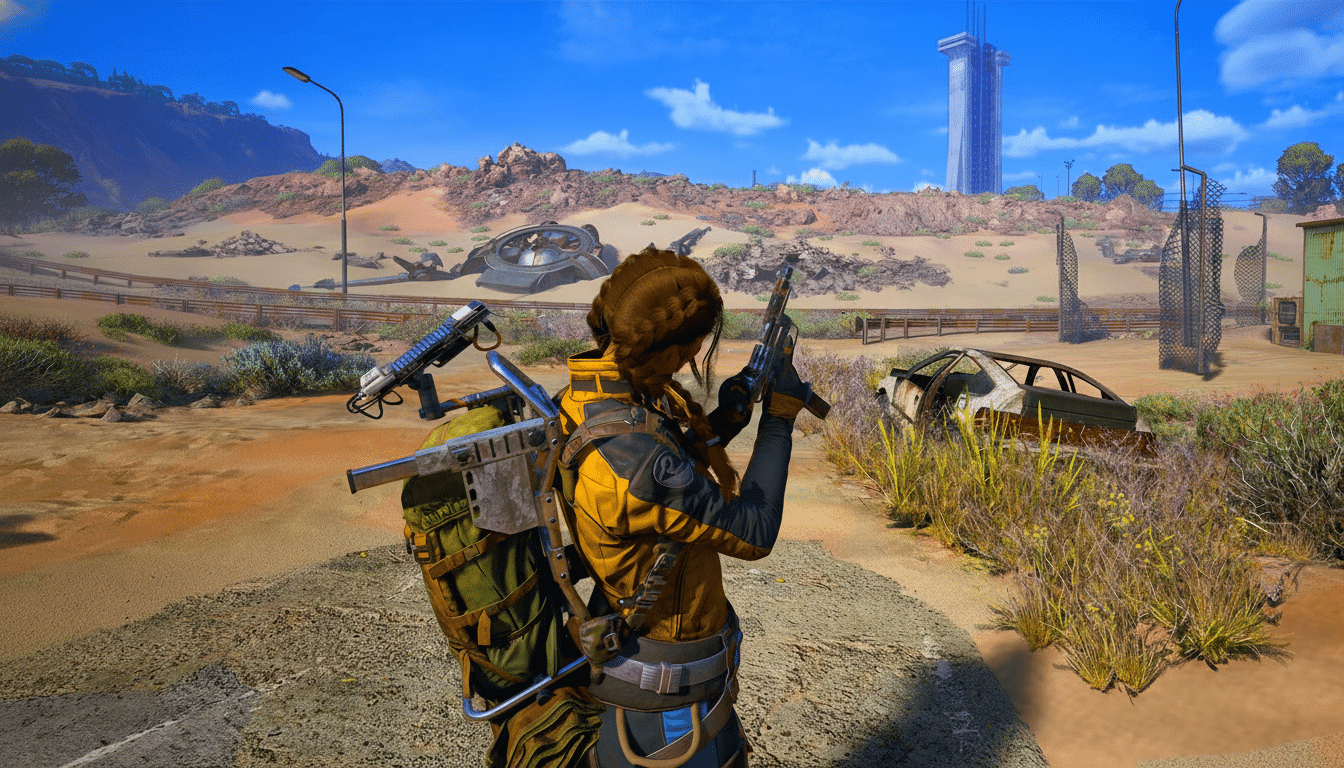
Embark also reiterated that its striking visuals were not produced with generative AI, drawing a bright line between experimentation in tools for iteration and decisions that shape the game’s artistic identity. That distinction mirrors the studio’s broader stance since controversy around synthetic voices flared during development of its other titles: AI can help prototype, but star performances need people.
The audience response gives that calculus teeth. ARC Raiders’ reported 14 million sales in a single month and more than 6 million weekly active users make audio polish more than a creative choice; it’s a retention lever. When millions hear a line land flat, the cumulative effect is hard to ignore.
Quality Over Cost Savings in ARC Raiders Voice Work
For all its momentum, AI dialogue still struggles with the human layer: micro-pauses, breaths, and contrasts in tone that sell urgency or warmth. It’s where professional actors shine. That’s why narrative-heavy hits like Baldur’s Gate 3 invested in a large cast—Larian Studios credited well over a hundred performers—to keep every companion and antagonist distinct across an enormous script.
The economics are more complicated than a simple “AI is cheaper.” Synthetic voices can accelerate iteration, especially in live service pipelines where scripts change often. But rework piles up when placeholders ship to millions and undermine immersion. Embark’s hybrid model—use AI for speed, humans for the final, emotional pass—acknowledges that hidden costs surface as soon as audiences scale.
A Flashpoint in the AI Audio Debate Across Gaming
ARC Raiders’ change lands amid a wider industry reckoning. According to the latest State of the Game Industry survey from GDC, roughly one-third of developers are experimenting with generative AI, while a majority express concern about its impact on jobs, ethics, and creative quality. Unions, including SAG-AFTRA and UK Equity, have pressed for explicit consent and compensation protections around synthetic voice replicas in interactive media.
Studios are testing boundaries. Ubisoft has explored AI-assisted tools for crowd chatter and NPC barks; CD Projekt used machine learning—with family permission and actor collaboration—to complete lines for a deceased performer. Each case has triggered debate, but the market signal is coalescing: audiences don’t mind AI in the scaffolding. They do mind when it replaces a performance that should feel human.
What Players Should Expect Next from ARC Raiders
Practically, Embark’s shift will likely roll out in waves, patching narrative-critical arcs first, then finessing supporting dialogue where needed. Expect crisper timing, more natural emotional beats, and better scene-to-scene cohesion as human reads replace placeholders. For a live game operating at ARC Raiders’ scale, these updates can have a measurable effect on session length and story completion rates.
The broader takeaway is strategic rather than nostalgic. Embark isn’t abandoning AI outright; it’s putting it in its lane. Synthetic voices are valuable for blocking and iteration. When it’s time to make players care, you hire actors. In an era where about 33% of teams use AI tools somewhere in the process, ARC Raiders is a timely case study in drawing that line without derailing production.
If the results land as intended, expect more studios to follow: lean on AI to move fast, then let professionals carry the moments that matter. In other words, the future of game dialogue may not be AI or actors—it may be both, carefully orchestrated, with the spotlight firmly on the humans.

