


Apple’s 2025 Watch lineup revamps the calculus of which model to buy. With SE 3 getting flagship-style features and Series 11 fine-tuning the formula, the “right” model now has more to do with not just how fast you want your Apple Watch to be but also about how you intend to use it, day in, day out. Here’s how to choose and what to pay for one without overspending — or not getting enough.
Begin with what you really do each day before choosing
Before getting lost in spec sheets, map your routine. If you value accurate step counts, sleep readings, and solid iPhone integration, you don’t need an athlete’s watch. If you train outside or care about advanced heart metrics, or if one of the features mentioned above truly speaks to you, step up. Your battery standards matter, as well — all-day use with casual browsing is different from GPS-heavy workouts (and a long day of traveling).
- Begin with what you really do each day before choosing
- Apple Watch SE 3 is the moderate savings pick this year
- Choose Series 11 when health features and readability matter
- Apple Watch Ultra 3 is for extremes and endurance use
- Key feature overlaps across models reduce FOMO this year
- Real-world differences you’ll actually notice day to day
- Price tiers and smart timing can save you real money
- Who should buy which Apple Watch model for your needs
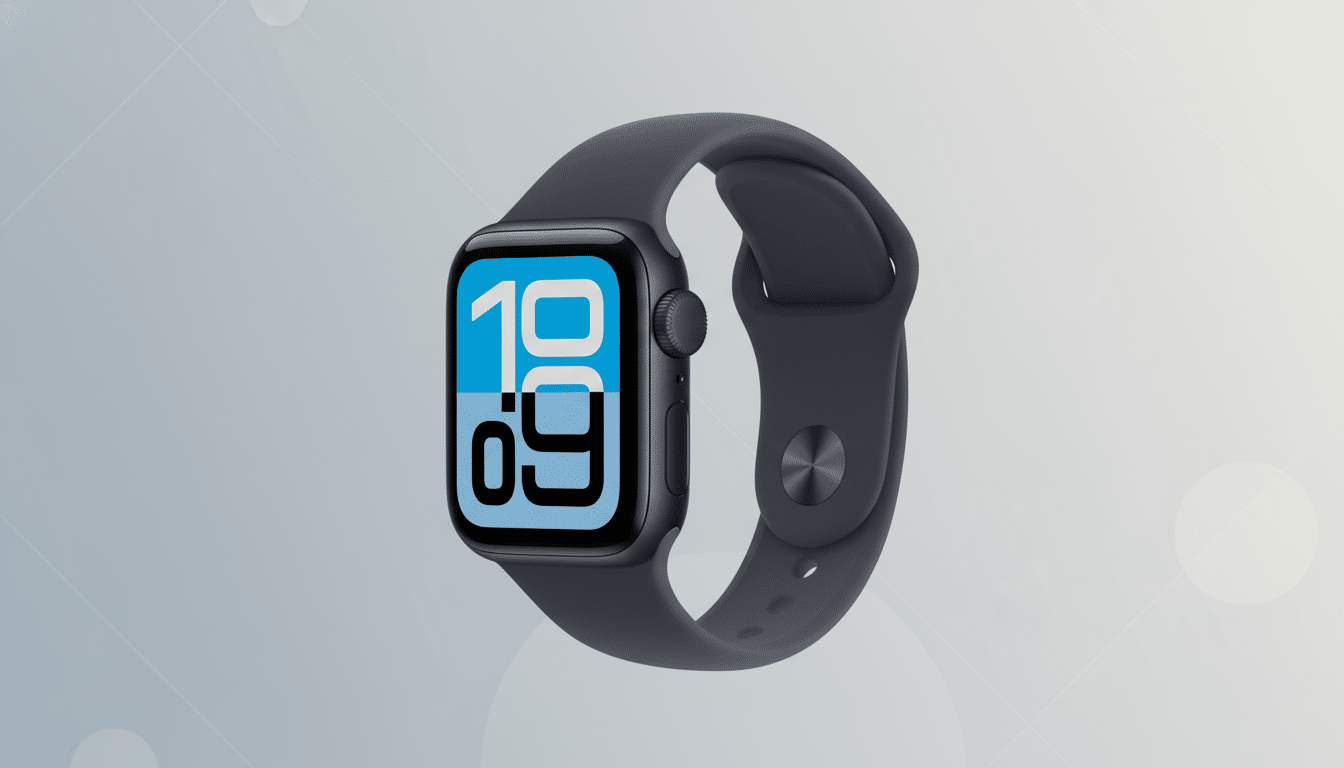
Apple Watch SE 3 is the moderate savings pick this year
You can no longer call the Apple Watch SE 3 “basic.” It jumps ahead to the S10 chip from Apple, gets an always-on display, and supports fast charging that makes midday top-ups during a shower or coffee break practical. It also adds temperature sensing that enhances sleep tracking and backward-looking ovulation predictions, a feature public health researchers say can enable users to identify longer-term wellness patterns if used consistently.
Crack resistance is enhanced, and popular safety features such as fall detection, crash detection, and Emergency SOS are still included. In daily use, performance is snappy, apps load fast, and notifications come through quickly — so much so that the watch doesn’t feel noticeably different from more expensive models for core functions. SE 3 gets the basics right for first-timers, students, and families — at a more wallet-friendly price.
Choose Series 11 when health features and readability matter
Series 11 gets its premium from health and display enhancements. It can alert users to potential hypertension, has an ECG app for single-lead electrocardiograms, and a Blood Oxygen app — features that doctors and groups like the American Heart Association see as beneficial adjuncts to, not substitutes for, clinical care. The larger, brighter screen (up to 2000 nits) makes it easier for mapping, interval times, and mid-run check-ins.
Battery life, now up to 24 hours in standard use, is also longer than the all-day rating for the SE 3 (which won’t be updated this year). And you can choose cases made of aluminum and titanium in two sizes. Its dust resistance and other durability touches also make it a better fit for mixed environments (office, gym, weekend hikes) without getting too niche-y about it. If you care about medical-grade style metrics and a screen that remains readable in sun, Series 11 has the jump on you.
Apple Watch Ultra 3 is for extremes and endurance use
Ultra 3 comes for endurance athletes and outdoor pros who want multi-day fortitude, a bigger rugged case, together with tools engineered for adventure. It’s overkill for most, but it thrives on alpine weekends, long open-water sessions, and navigation trips into the backcountry. Instead, consider it a specialized tool — wonderful when you actually need it.
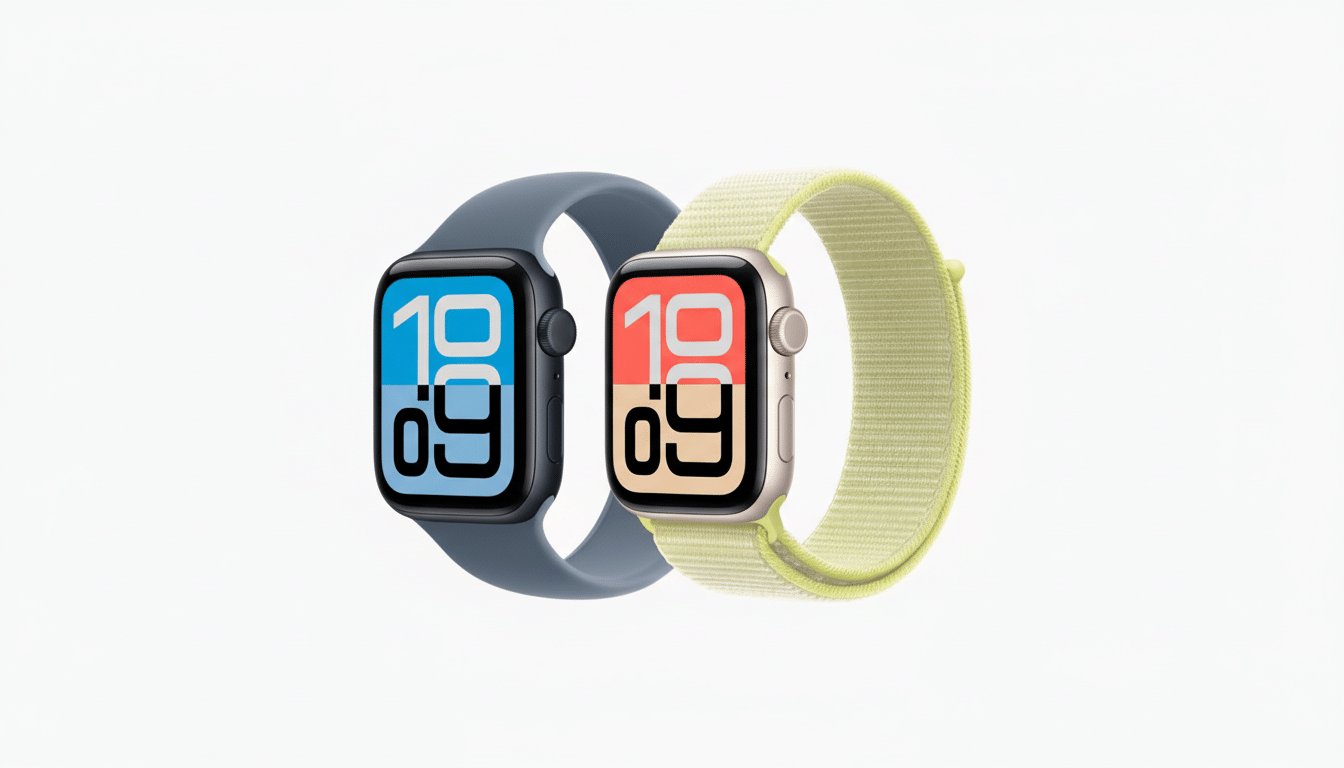
Key feature overlaps across models reduce FOMO this year
Do not underestimate how much the SE 3 and Series 11 now have in common: the same-generation S10 chip, always-on Retina displays, fast charging, wrist gestures including double tap, swim-OK water resistance to 50 meters (about five atmospheres), sleep tracking with Apple’s new Sleep score, and safety features that will auto-alert services if you sustain a hard fall or severe crash. For many buyers, that common core is all there is to the story.
Real-world differences you’ll actually notice day to day
Display brightness is the major one. If you exercise at noon or coach on sunlit fields, Series 11’s higher peak brightness is easier on the eyes than SE 3’s 1000-nit panel. Health sensors are the other significant line: ECG, blood oxygen readings, and hypertension warnings reside on Series 11. Battery life also gets a boost on Series 11, which is a nice quality-of-life upgrade if you’re the type of person whose days regularly push past midnight.
Case size and material also influence comfort. Series 11 is available in larger cases of aluminum or titanium; SE 3 sticks with aluminum in smaller sizes. Try them on if you can; fit impacts heart-rate accuracy and sleep comfort more than just about any spec sheet will fess up to.
Price tiers and smart timing can save you real money
SE 3 begins at about $249, Series 11 at about $399, and Ultra 3 at around $799. Apple’s refurbished store, carrier promotions, and big-box sales can tip the math, and trade-ins can significantly close the gap. Market trackers like Counterpoint Research report that Apple is still out in front when it comes to smartwatch revenue, and the company’s success in this space translates into strong third-party accessory and resale markets that can help you keep your watch whole longer than those powered by Google Wear OS.
Who should buy which Apple Watch model for your needs
Choose SE 3 if you’re after a trustworthy smartwatch for fitness tracking, sleep insights, and safety — without paying for advanced cardiology tools. Choose Series 11 if you’re going to use the ECG and blood oxygen features, if you require better outdoor readability, or if you like the added battery cushion. Only buy the Ultra 3 if you either have training or work that would benefit from its augmented toughness and long endurance.
The upshot: Apple narrowed the feature gap this year. Begin with your habit, not the hype, and you’ll find the best Watch for yourself — and have budget left over for bands and apps that you will actually use.
