


I went courtside at an NBA game without leaving my living room, and it was the most ambitious thing I’ve done with Apple’s $3,500 Vision Pro. It also let me down—just enough to prove the tech is on the right track.
What It’s Like To Sit Courtside Without a Ticket
Apple’s immersive basketball experience drops you on the scorer’s table, shoulder-to-shoulder with the refs and security, near enough to hear the net crack and sneakers chirp. The production alternates among a center-court view and behind-the-backboard angles, preserving depth cues that flat TV feeds flatten. It’s not “watching a game”; it’s occupying it.
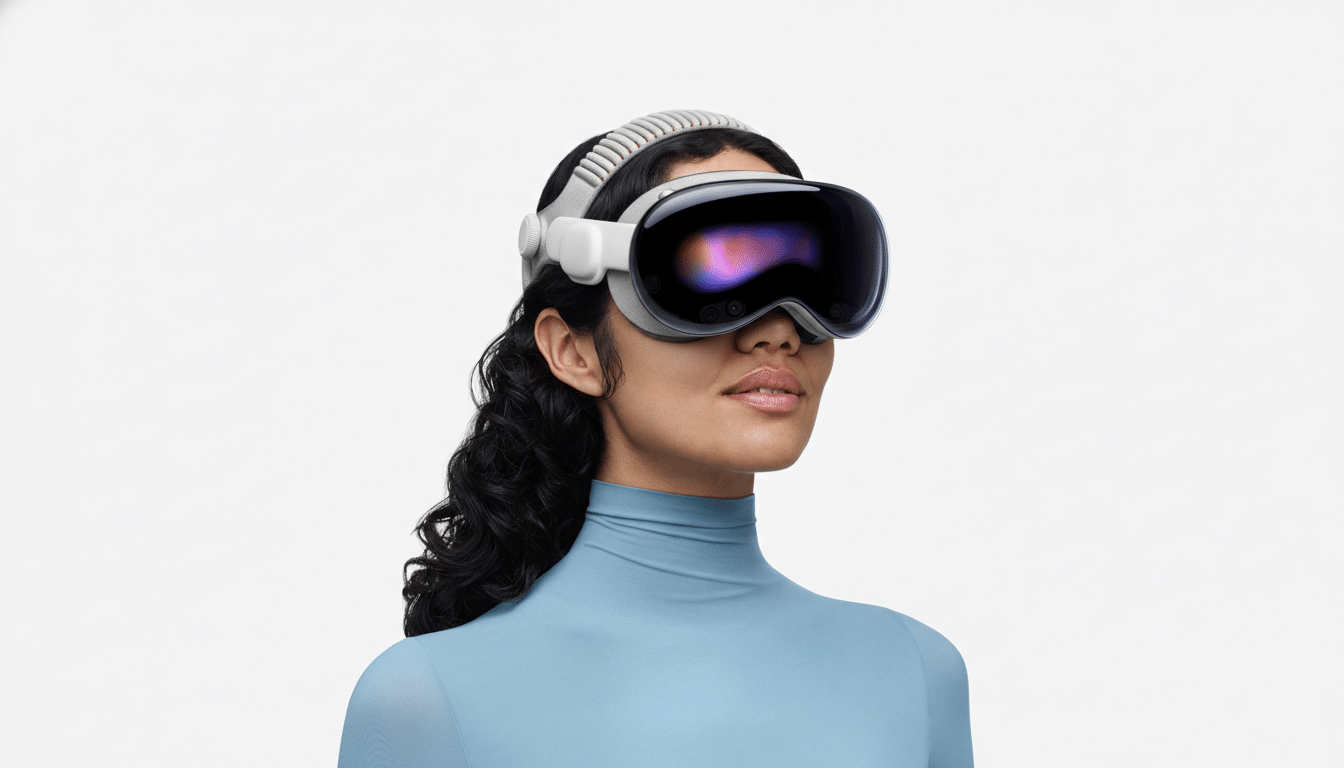
Unlike a stitched 360-degree sphere, this is Apple Immersive Video’s sweet spot: high-resolution 180-degree 3D with spatial audio. The result is lifelike scale—players’ footwork reads in a way TV never renders—and the kind of peripheral movement your brain treats as real. When a fast break barrels toward the camera rig, you instinctively brace.
The tradeoff is literal. A 180-degree rig can’t see what’s happening behind or deep in the corners. If the ball dies in the weak-side corner and you’re on the center-court angle, you may lose the dribble for a beat. That’s not bandwidth; it’s physics. It’s a reminder that camera placement is now as much UX design as cinematography.
Broadcast Polish Meets Raw Arena Energy Courtside
This isn’t a novelty feed. It’s a produced broadcast with dedicated commentators, curated replays, and an on-floor announcer. The pacing is intentional: center view for half-court sets, backboard for paint action and free throws, and smart cut timing so your eyes are ready when the angle changes. Compared with early immersive sports experiments I’ve tried in other headsets, this felt more coherent and less disorienting.
The magic arrives in the soundstage. Spatial audio spotlights the floor: bench chatter, defensive calls, little moments of camaraderie you never hear on TV. Those micro-scenes—teammates hyping a box-out, a veteran directing traffic—made the experience feel intimate in a way a million-dollar seat would.
Ironically, that’s also where the first letdown lands. The commentary mix sometimes drowns the court just when you want to marinate in the noise. A toggle for “arena-only” audio would transform the feed. Broadcasters know this: many stadiums already run discrete mics across stanchions and baselines. Let fans choose the blend. That choice is a product feature now, not a truck decision.
The Missing Second Screen Inside the First
Immersion has a social tax. I usually watch games with a second screen: beat reporters, advanced stats, and the live hive mind. In the headset, that layer vanishes. Nielsen and other researchers have documented widespread second-screen behavior during live sports; it’s how many fans process momentum swings and controversy. In visionOS, a contextual feed—live win probability, lineup data, trusted commentary—could restore that connective tissue without breaking presence.
There’s also a responsible path for real-time interactivity: friend watch parties, reaction clips from team analysts, even tappable camera presets for different roles (coach view, high-chess set view). Sports viewing is collaborative cognition; XR should lean into that rather than isolate it.
Comfort, UI, and the Reality Check of Long Games
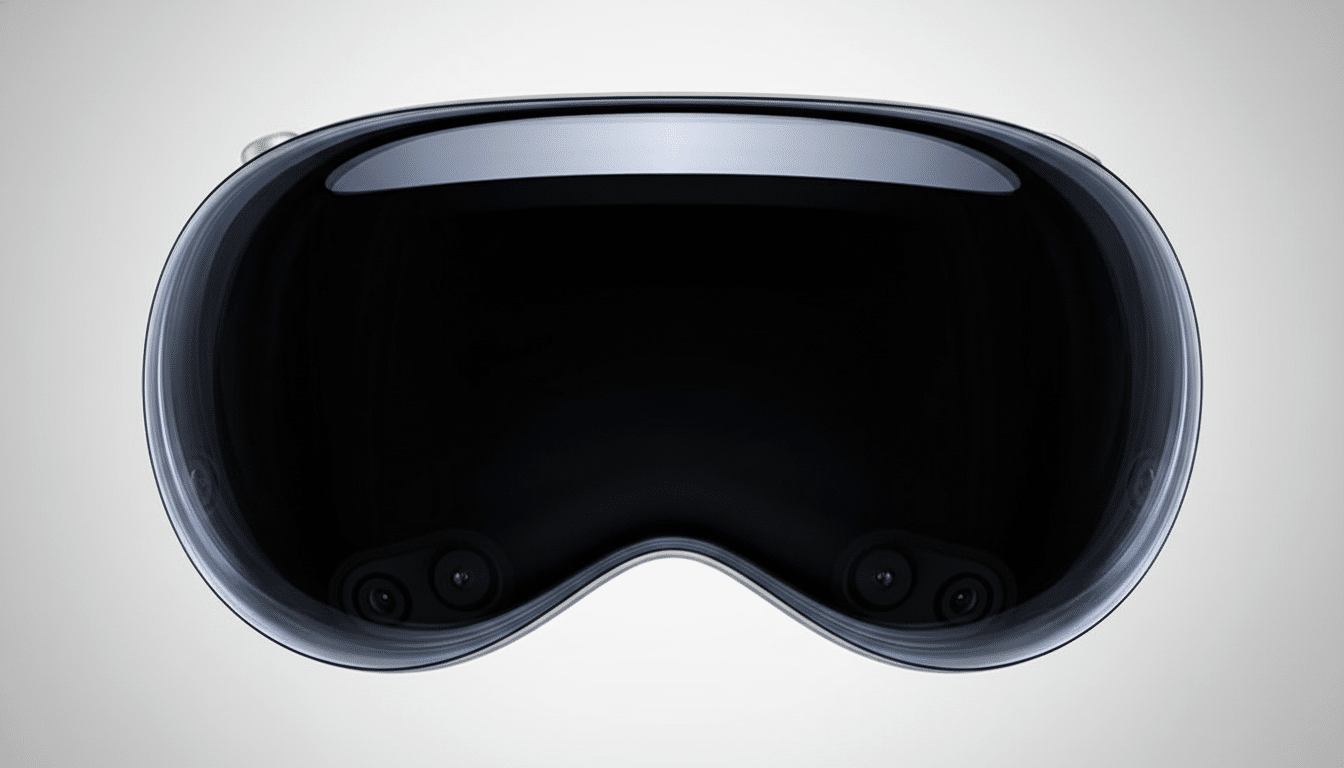
A full NBA game is a marathon. The Dual Loop band is essential for distributing the Vision Pro’s weight, but you’ll still want short breaks. Battery life on the external pack covers about a couple of hours of streaming; for a full broadcast you’ll be tethered to power or swapping packs. That’s not a deal breaker, just logistics—more like bringing a portable charger to a doubleheader.
UI placement matters more than you’d think. The score bug and game clock sit low, forcing frequent downward glances. A floating, adjustable scoreboard—anchored to your gaze height—would reduce neck strain. It’s a small fix with a big impact over four quarters. Likewise, quick-access controls for audio mix, camera angle pinning, and instant replay could live in a minimal overlay that stays out of the action’s way.
From a vision science perspective, the experience is already better than most VR sports demos because it minimizes rapid focus changes. Still, long sessions can tire your eyes thanks to the classic headset tradeoff between where your eyes converge and where they focus. Apple’s motion grading and high frame-rate capture mitigate this, but it’s the ceiling the whole industry is working to raise.
Why Being Let Down Is a Good Sign for Vision Pro
The best disappointments here are solvable: give fans control of audio, bring the second screen into the first, refine UI ergonomics, and keep iterating on camera placement. None require new optics or sci-fi display breakthroughs; they’re product decisions and partnerships with leagues and regional networks like Spectrum SportsNet and platform apps such as the NBA’s.
For Apple, this is the first feature that makes Vision Pro feel indispensable rather than impressive. Live sports is where presence equals value. When you can sense defensive rotations or hear a bench unit orchestrate a stop, you’re not consuming content—you’re reading the game.
That’s why the letdowns landed in the best way: they exposed a path forward. This courtside feed already beats a couch TV for intimacy and beats a real arena seat for clarity. Smooth out the rough edges, and the next time I sit courtside at home, I won’t miss the phone in my lap—or the spilled beer at my feet.
