


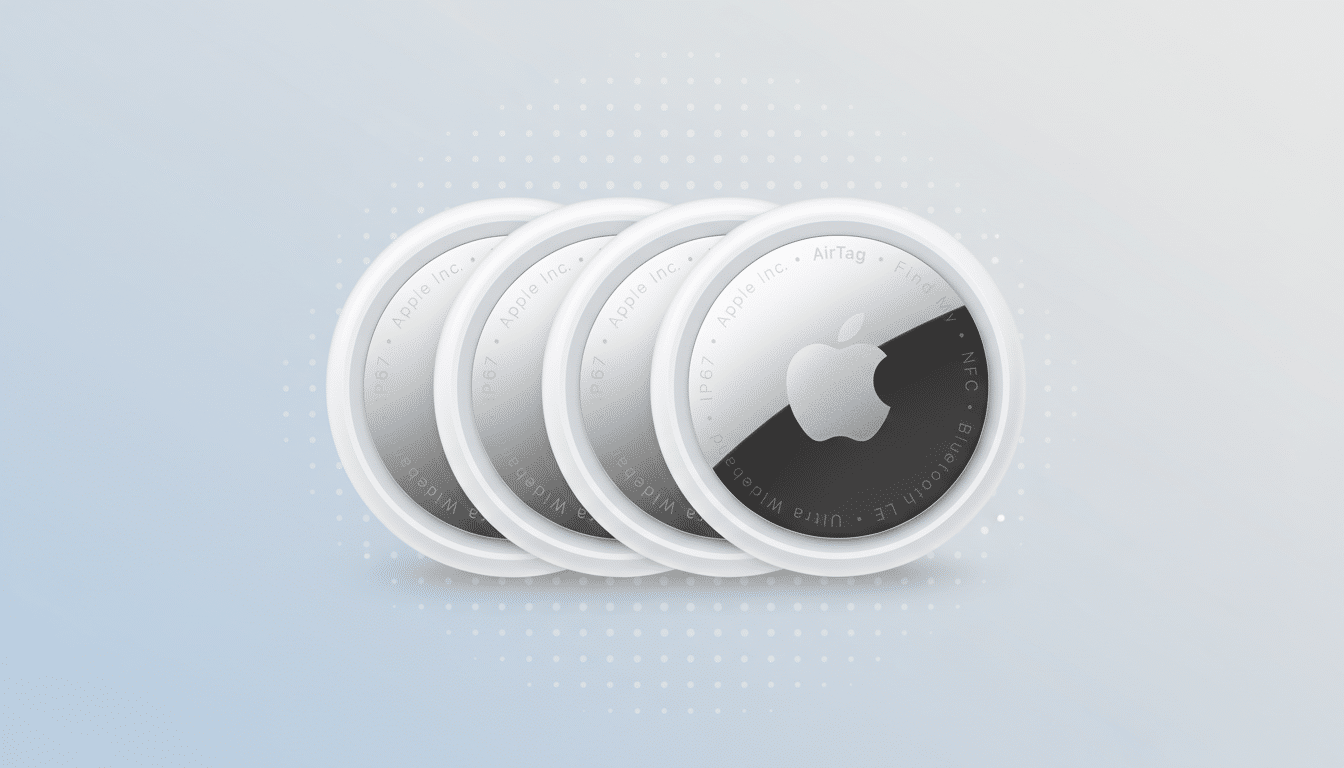
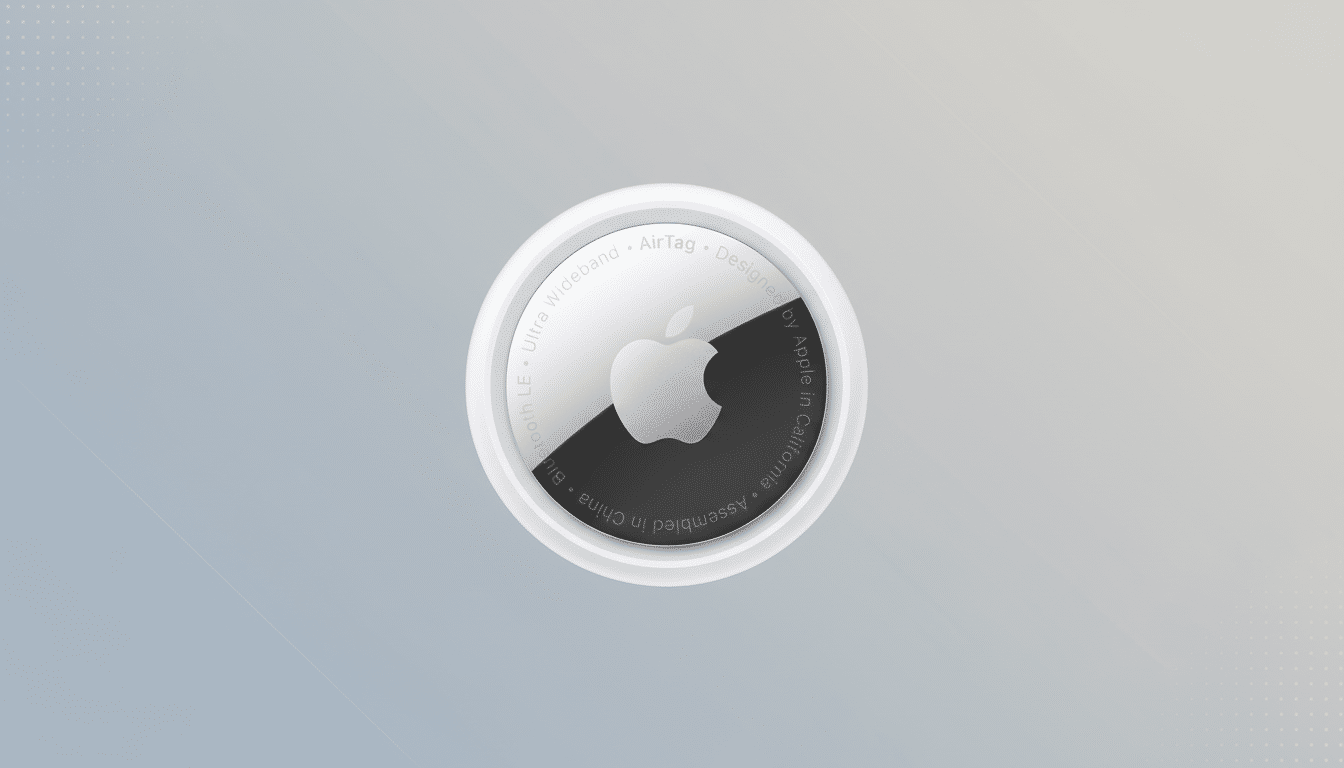
Apple’s latest AirTag makes two practical leaps that matter in everyday use: it signals more loudly and can be located from farther away. The refresh centers on a new Ultra Wideband system, an upgraded Bluetooth radio, and broader device support, aiming to cut the time between “Where did I leave it?” and “Found it.”
What’s New in the Latest Apple AirTag Model
The headline upgrades are a stronger speaker and extended finding range. Apple says the built‑in speaker now delivers up to 50% higher output, helping the ping cut through background noise in places like busy terminals or apartment hallways. Precision Finding also reaches up to 50% farther than the previous model, powered by Apple’s second‑generation Ultra Wideband chip—the same class of silicon used in the newest iPhone and Apple Watch lines for spatial awareness.
- What’s New in the Latest Apple AirTag Model
- Range That Matters in Real-World Finding Scenarios
- Precision Finding on More Devices, Including Apple Watch
- A Massive Network With Safety Guardrails
- Market Context and Competitive Pressure in Item Tracking
- Price, Availability, and Early Takeaways for the New AirTag
Bluetooth performance gets a lift as well, broadening the distance at which your phone or watch can pick up a signal and initiate a find session. Precision Finding now works directly from Apple Watch, with support starting at Apple Watch Series 9 and Apple Watch Ultra 2, so you can follow on‑wrist arrows and haptic cues without pulling out your phone.
AirTag also plugs into Share Item Location, Apple’s feature for temporarily granting trusted contacts access to a tag’s live location. Apple says 50 airlines are participating in its luggage‑tracking efforts, reflecting how tags have become a de facto tool for travelers and baggage agents alike when suitcases go missing.
Range That Matters in Real-World Finding Scenarios
Longer range isn’t just a spec sheet boast. In multi‑story garages, dense urban buildings, or outdoor spaces where line‑of‑sight can vary by dozens of meters, a wider UWB and Bluetooth envelope reduces the dead zone where finding transitions from “rough area” to “pinpoint.” It also makes the audible ping more useful: a louder chirp plus more reliable initial signal often shortens the last 10 meters—the most frustrating part of any search.
Travel is a prime use case. SITA’s Baggage IT Insights has tracked a persistent global baggage mishandling problem, with rates measured in the single digits per 1,000 passengers each year and notable spikes during peak recovery periods. A louder tag that can be located sooner on a carousel or behind the scenes, combined with wider network reach, can shave hours off reunions. Airlines that recognize passenger‑provided location data increasingly resolve cases faster, a trend consumer advocates and travel reporters have documented since trackers went mainstream.
Precision Finding on More Devices, Including Apple Watch
Ultra Wideband is the secret sauce behind Precision Finding’s on‑screen arrow, distance meter, and directional haptics. By enabling that workflow on Apple Watch, Apple lowers friction: jog toward a shifting signal with your wrist buzzing stronger as you close in, or follow the compass‑like arrow down to the last meter. For accessibility, pairing louder audio cues with tactile guidance helps users who rely on multimodal feedback in loud or low‑visibility environments.
A Massive Network With Safety Guardrails
Beyond direct range, the real advantage remains Apple’s Find My network—a crowdsourced mesh spanning the global footprint of Apple devices. Apple has reported more than 2 billion active devices in use, a scale that materially improves the odds that a misplaced item quietly “checks in” via a nearby iPhone or iPad.
Safety is a parallel focus. After scrutiny over unwanted tracking, Apple and Google jointly introduced a cross‑platform standard for detecting unknown item trackers. iOS and Android now warn users if a tag that isn’t theirs appears to be moving with them, offering guidance to play a sound and disable it. Apple’s own anti‑stalking protections remain in place and have incrementally tightened since AirTag’s debut, a balance civil‑society groups pushed for and continue to evaluate.
Market Context and Competitive Pressure in Item Tracking
AirTag still defines the category by sales and mindshare. Third‑party analyses estimated that roughly 70% of item trackers sold in the latter part of 2024 were AirTags. Incumbents such as Tile have criticized Apple’s ecosystem advantage, while rivals like Chipolo embraced Find My compatibility and, in parallel, the Android Find My Device network has expanded with new tags. Apple’s move to boost range and loudness doubles down on its lead where it counts: retrieval speed and reliability.
Price, Availability, and Early Takeaways for the New AirTag
Apple is keeping the familiar price: $29 for a single unit or $99 for a four‑pack, with free engraving for personalization. That pricing undercuts many competitors at the single‑device level and encourages multi‑tag setups for keys, bags, and checked luggage.
On paper, the upgrades are straightforward but impactful. A louder ping reduces search friction in noisy spaces, broader Bluetooth and UWB range widens the capture zone, and on‑wrist Precision Finding turns recovery into a one‑handed task. Real‑world performance will still depend on environment, signal interference, and local device density—but for most users, these changes should translate to faster finds and fewer moments of panic.
