


Apple is reportedly evaluating clamshell-style foldable phone hardware, signaling that the company is exploring a flip-style iPhone alongside a larger book-style foldable. While there is no confirmation that a clamshell device will ship, fresh chatter from supply chain sources suggests Apple has engaged in tangible hardware trials to assess the form factor’s viability.
What Sparked the Latest Reports on Apple’s Foldables
The newest signal comes via a Weibo post from the leaker Fixed Focus Digital, surfaced by MacRumors, asserting Apple has tested a flip-style design. This dovetails with earlier reporting from Bloomberg’s Mark Gurman, who said Apple is weighing a clamshell in addition to a book-style foldable. Gurman has cautioned that a flip-style launch remains contingent on broader product strategy and the success of Apple’s first foldable effort.
- What Sparked the Latest Reports on Apple’s Foldables
- Why a Clamshell iPhone Could Make Strategic Sense for Apple
- What Apple Is Likely Testing for a Potential Flip iPhone
- Supply Chain Signals and Hurdles for a Foldable iPhone
- How a Flip Could Fit into Apple’s iPhone Lineup and Pricing
- Bottom Line on Apple’s Clamshell iPhone Hardware Tests
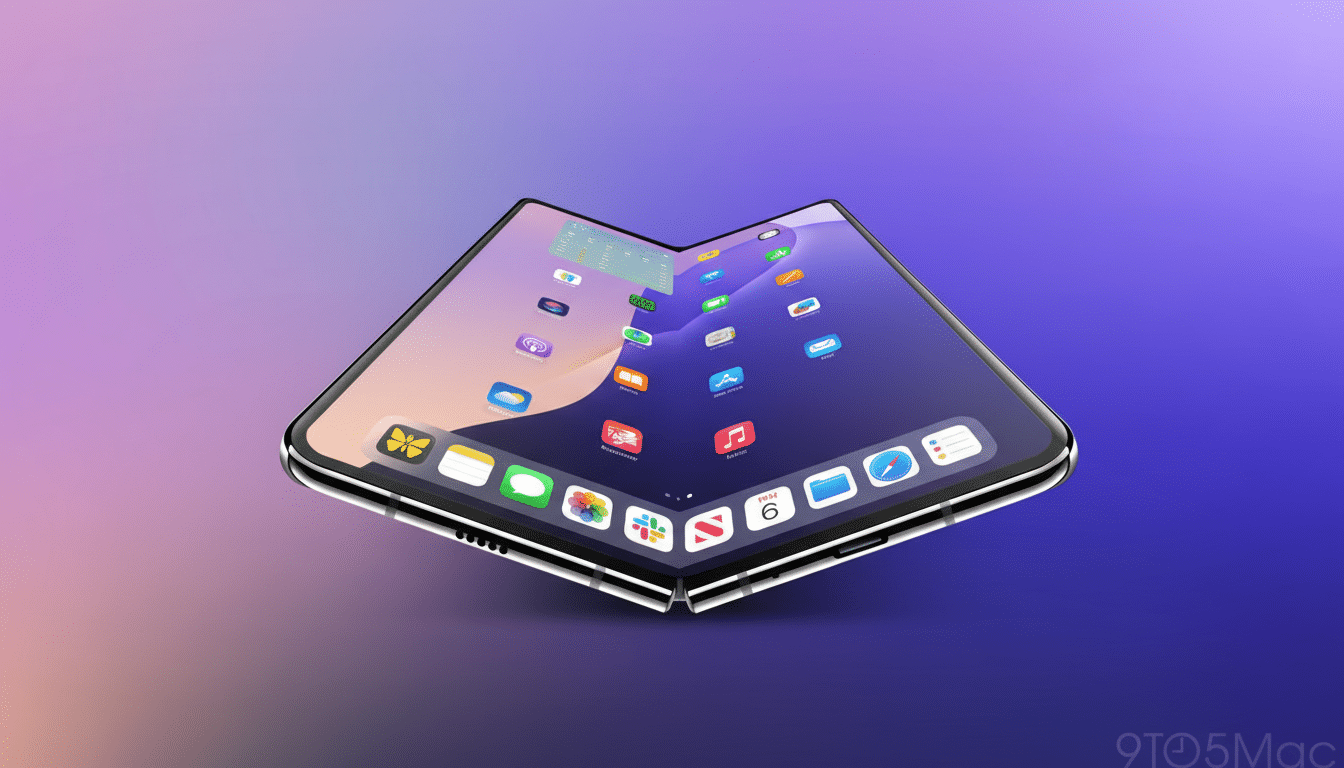
As always with Apple prototypes, testing does not equal approval. The company routinely builds and evaluates hardware that never ships. Still, prototyping indicates engineering resources are committed to understanding hinge mechanics, display durability, and software behaviors unique to a vertical clamshell.
Why a Clamshell iPhone Could Make Strategic Sense for Apple
Clamshell foldables address a different use case than book-style devices: pocketable size with a standard smartphone experience when open and a glanceable mini-screen when closed. That combination has resonated with buyers who want a fashionable device without committing to tablet-like dimensions.
Market data supports the interest. Industry trackers such as Counterpoint Research have reported that flip-style models have led sales share in several recent quarters, helped by lower prices and a mainstream-friendly footprint. IDC estimates global foldable shipments reached roughly 15–16 million units last year and projects strong double-digit growth through the next few years, with volumes expected to multiply by 2027. A clamshell could help Apple address that demand without cannibalizing its larger flagship lineup.
What Apple Is Likely Testing for a Potential Flip iPhone
For a clamshell to meet Apple’s durability and design thresholds, several hard problems must be solved. Expect trials around ultra-thin glass stacks that minimize creasing, hinge architectures that close with minimal gap, and wear testing over hundreds of thousands of cycles. For context, Samsung rates recent flip models for about 200,000 folds, and competitors have touted higher lab figures; Apple would likely target similar or better longevity.
Battery life is another pressure point. Clamshells tend to split cells across halves, tightening the space budget and complicating thermal management. Camera modules face similar trade-offs: high-end sensors and folded optics must fit without ballooning thickness. On the software side, Apple would need to rethink iOS for a small exterior display—glanceable widgets, quick replies, camera controls, and continuity between screens—while preserving the responsiveness and polish users expect.
Supply Chain Signals and Hurdles for a Foldable iPhone
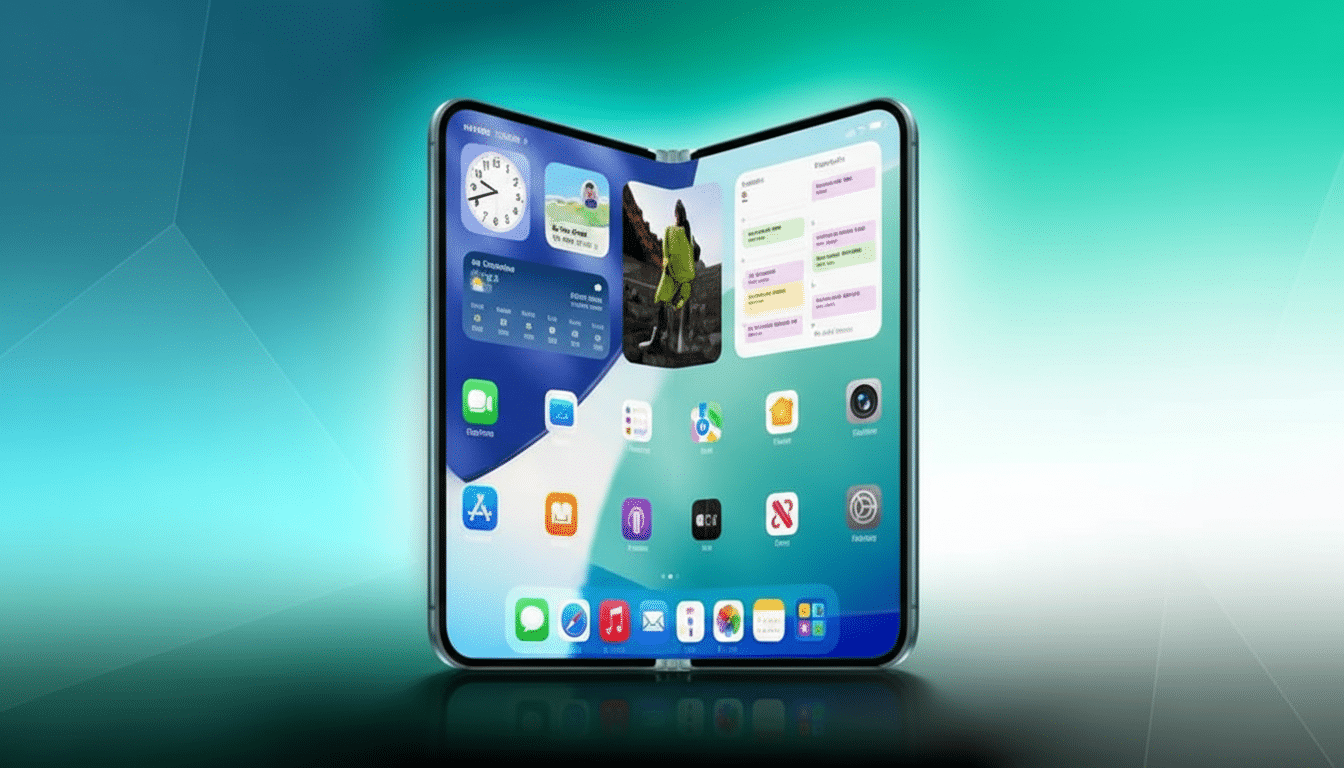
If Apple proceeds, the display stack will almost certainly lean on established foldable OLED expertise from major panel makers with proven ultra-thin glass cover layers. Hinge assemblies are typically sourced from specialized mechanical partners and require tight tolerances, complex torque curves, and robust particulate mitigation. Notably, dust ingress remains a challenge across the category; while water resistance has reached credible ratings on leading models, dust protection lags, and any Apple design would be scrutinized on that front.
As with prior new form factors, Apple would likely trial multiple hinge geometries, crease radii, and panel suppliers before green-lighting a production configuration. Reports have suggested the company’s first foldable could be a larger, book-style device, with a clamshell arriving later if the platform proves successful. That sequencing would mirror broader market patterns, where brand ecosystems are built around a flagship fold first, followed by a style-forward flip.
How a Flip Could Fit into Apple’s iPhone Lineup and Pricing
A clamshell iPhone would likely target users prioritizing portability and design, potentially positioning near the Pro tier on price but differentiated by form factor rather than sheer camera or display size. The exterior screen could extend Apple’s widget strategy and integrate with services like Wallet, Fitness, and Music for one-tap interactions. Accessories—from MagSafe grips to pocket cases—would be an easy halo.
Crucially, Apple will need to justify the flip not just as a novelty, but as a daily-life upgrade. That means long battery life, a crease that fades into the background, top-tier cameras despite thickness constraints, and robust software flows that make closing the phone feel useful rather than limiting.
Bottom Line on Apple’s Clamshell iPhone Hardware Tests
All signs point to active exploration, not a final decision. Reports from supply chain watchers and well-sourced journalists indicate Apple has tested clamshell hardware and is evaluating its path alongside a larger foldable. If a flip-style iPhone does arrive, it will do so only after Apple is confident the technology, manufacturing yields, and user experience can meet its bar—and expand the iPhone story rather than merely bend it.
