


Apple’s iPhone just delivered a blowout quarter, with demand CEO Tim Cook described as “simply staggering” in an interview with CNBC. The company’s flagship product powered record results, underscoring a cycle that has drawn in upgraders, switchers, and first-time buyers at a pace Apple has rarely seen.
iPhone Revenue Shatters Records in Blowout Quarter
Apple reported iPhone revenue of $85.27 billion, up 23% year over year. Overall quarterly revenue reached a record $143.8 billion, a 16% increase. While Apple doesn’t disclose unit volumes or model-specific sales, the iPhone’s performance handily beat many analyst expectations, reinforcing its central role in Apple’s product portfolio.
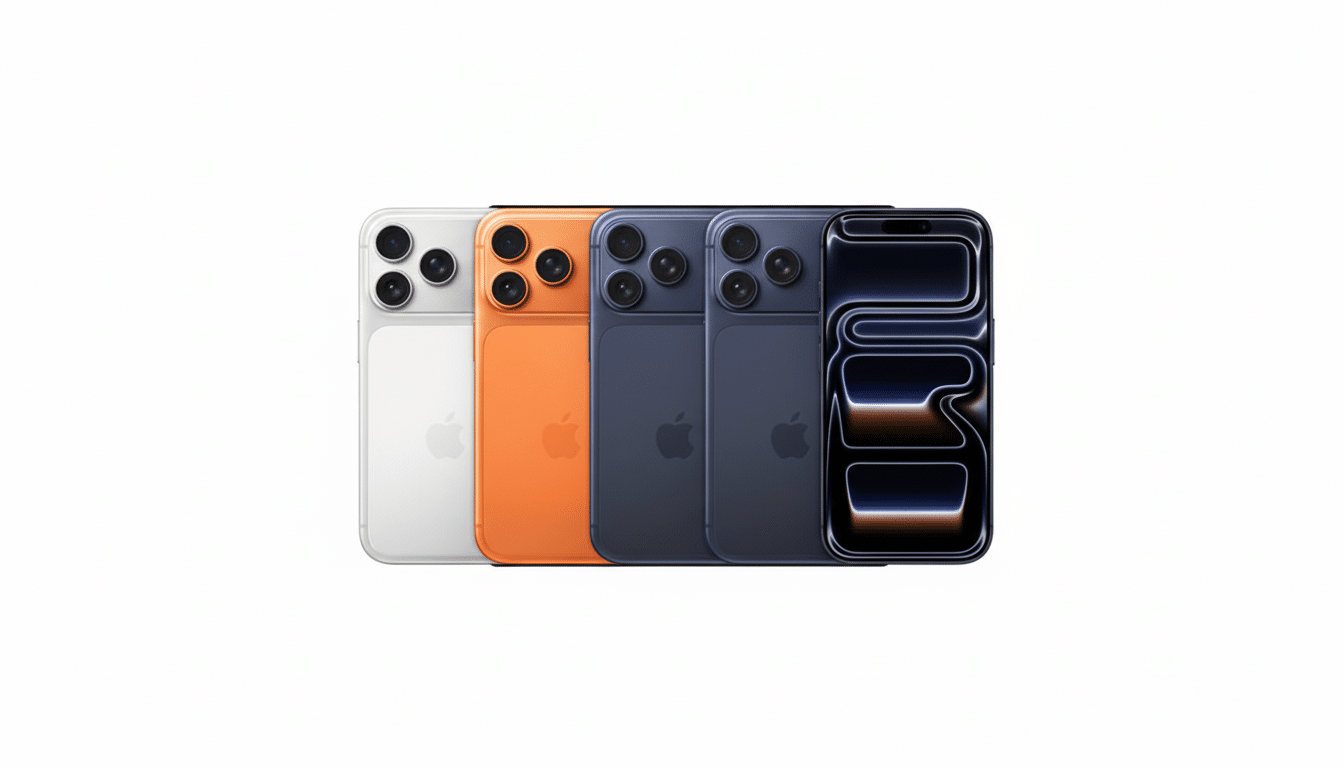
Cook also noted Apple’s active installed base has climbed to 2.5 billion devices across iPhone, iPad, Mac, and wearables. That expanding base not only supports hardware momentum but also drives recurring engagement with services and accessories, enhancing lifetime value per customer.
What Drove the Surge in iPhone Demand This Quarter
Several forces appear to be converging. Industry researchers such as IDC and Counterpoint Research have long pointed to premium mix shifts, storage upgrades, and robust trade-in programs as key supports for iPhone revenue growth. This cycle showcased all three: strong appetite for higher-end models, carriers leaning back into promotions in mature markets, and aggressive trade-in values that reduce out-of-pocket costs for consumers.
Apple’s broadened lineup strategy also mattered. The company expanded beyond the standard and Pro tiers in recent cycles, adding a value-focused model and an ultra-thin variant to reach more price points and preference profiles. Despite chatter that the ultra-thin option might be pacing behind expectations in some channels, the aggregate outcome is clear: a larger addressable market and a record quarter for the iPhone business.
Global Demand and Supply Dynamics for iPhone Sales
From the U.S. and Europe to key Asia-Pacific markets, retailers reported persistent backorders on top-end configurations during peak shopping periods, a sign of healthy elasticity at the premium end. Independent trackers of Apple’s online store lead times flagged extended ship windows for flagship models at multiple points in the quarter, suggesting demand outpaced supply in bursts even as Apple’s operations team kept overall availability steady.

China and India remain crucial to the story. Analysts have watched China closely amid intensifying competition, while India continues to emerge as a growth engine for both sales and local manufacturing. Although Apple does not break down regional iPhone revenue in detail, the scale of the overall beat indicates resilience across multiple geographies, aided by retail expansion and financing options that lower barriers to entry.
The Installed Base Flywheel Driving Apple Growth
An installed base of 2.5 billion devices is its own growth machine. Every iPhone sold seeds future sales of services like iCloud, Apple Music, and AppleCare, along with accessories such as AirPods and Apple Watch. That flywheel effect is central to Apple’s strategy: premium hardware margins upfront, followed by steady, high-margin engagement as customers layer on content, storage, and support.
This quarter’s performance suggests the flywheel is accelerating. A larger base increases the likelihood of upgrades within the ecosystem, boosts cross-device adoption, and deepens platform lock-in, which collectively bolsters revenue durability even as individual product cycles ebb and flow.
Outlook and Risks for Apple’s iPhone Growth Cycle
With iPhone demand running hot, the near-term focus shifts to sustainability. Key watch items include component costs, currency fluctuations, and competitive pressure in China. Investors will also parse how Apple manages model mix going forward—particularly the balance between premium flagships and more accessible variants that widen the funnel without diluting margins.
For now, Apple has the wind at its back. A record iPhone quarter, a swelling installed base, and a product strategy that meets customers at multiple price points form a sturdy foundation. If upgrade intent stays elevated and supply remains smooth, Apple’s “simply staggering” iPhone demand may not be a one-off—it could be the shape of this cycle.
