


Apple is preparing to roll out new 14-inch and 16-inch MacBook Pro models powered by M5 Pro and M5 Max chips, according to reporting from Bloomberg’s Mark Gurman. The laptops, internally codenamed J714 and J716, are expected to retain the current design while delivering a notable leap in performance. Telltale signs of an imminent launch include tighter channel inventory and extended ship times for top-tier configurations—patterns that have reliably preceded past MacBook Pro refreshes.
The debut is also tipped to align with macOS 26.3, a forthcoming point release that typically carries low-level optimizations for new silicon, updated drivers, and pro app enhancements.
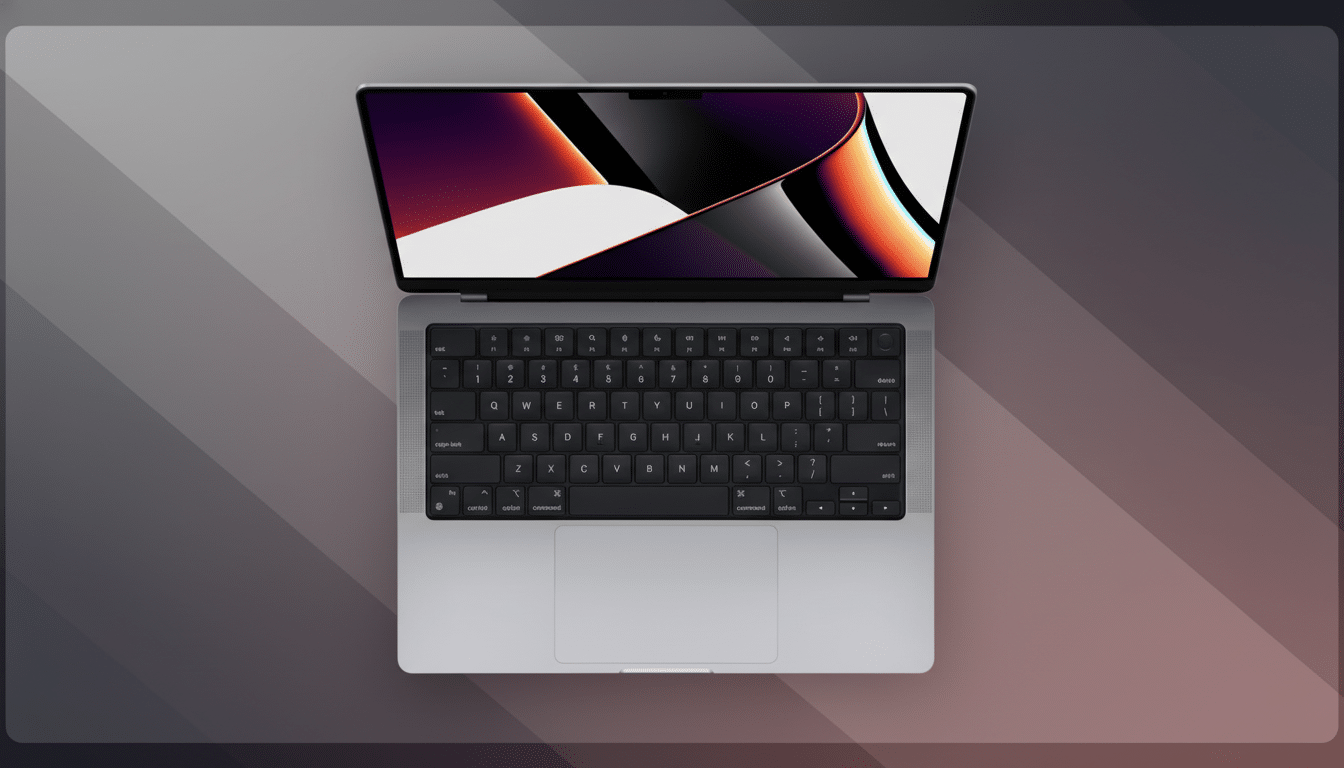
Expected Upgrades in M5 Pro and M5 Max MacBook Pros
Apple’s Pro and Max tiers traditionally differentiate on GPU core counts, memory bandwidth, and media engines, and the next step should follow suit. Industry watchers expect the M5 family to be built on an advanced 3nm process from TSMC, improving performance-per-watt and sustaining higher clocks under load. That typically translates into faster compile times in Xcode, quicker renders in Final Cut Pro and DaVinci Resolve, and smoother 3D work in tools like Blender and Cinema 4D.
On graphics, Apple has been pushing hardware-accelerated ray tracing and mesh shading since the M3 generation; an M5-class GPU should deepen that push with better throughput and more efficient scheduling. For creators, the dedicated media engines are the quiet workhorses—accelerating ProRes, ProRes RAW, and other codecs to support multiple high-resolution streams with minimal battery drain. Expect the Max variant to expand unified memory ceilings and bandwidth, a boon for massive timelines, large neural nets, and complex scene files.
The Neural Engine also bears watching. With Apple Intelligence features rolling across the ecosystem, a higher-throughput NPU would help keep more AI tasks on-device for privacy, latency, and offline reliability—key for workflows involving transcription, image generation, or local model inference.
Launch Timing Signals And Software Tie-In
Reduced supply of existing high-end MacBook Pros and longer delivery estimates often precede Apple’s notebook launches, as the company clears channels and pre-positions inventory. Similar patterns were observed ahead of prior Pro/Max introductions. The expected alignment with macOS 26.3 suggests Apple wants the OS-level scheduler, GPU drivers, and media frameworks fully tuned for the new chips on day one.
For pro users, that coordination matters: compiler toolchains, Metal performance, and plug-in compatibility tend to stabilize faster when hardware and software ship in lockstep.
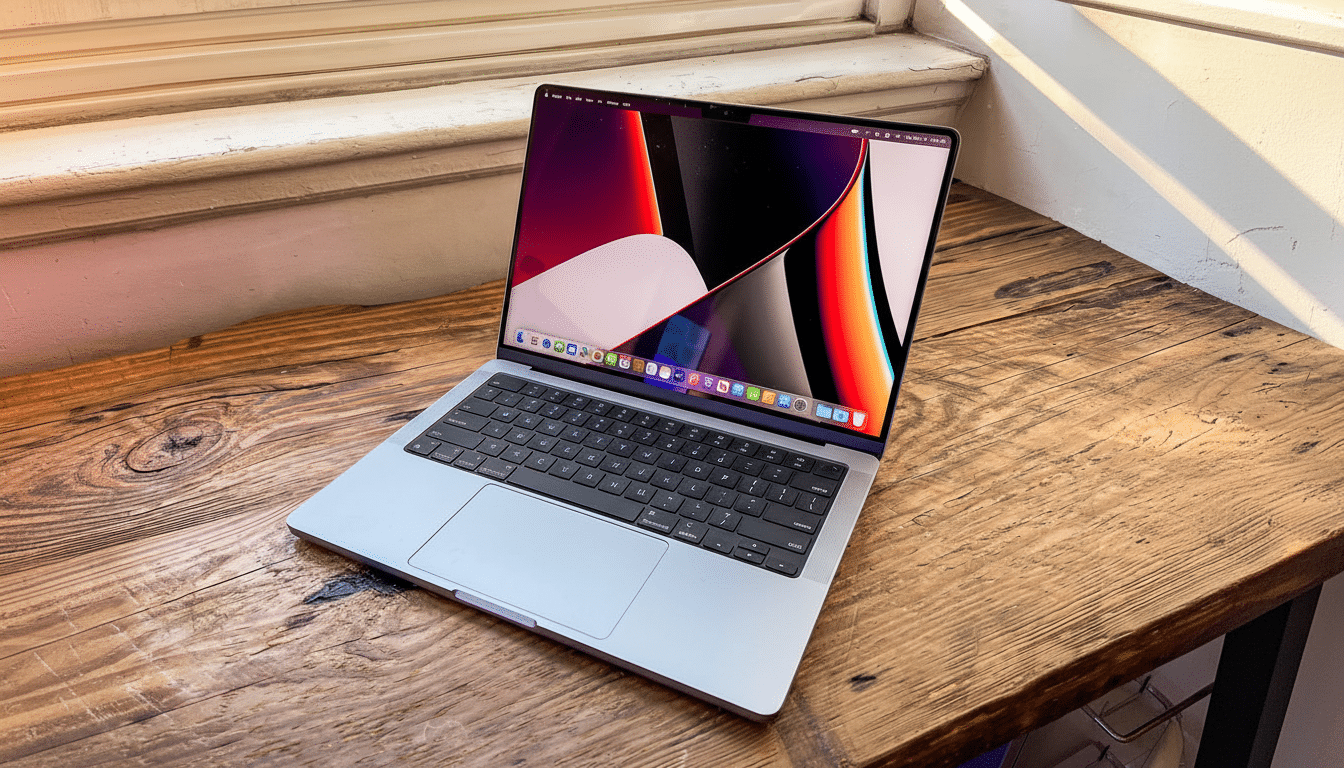
Design Stays Familiar as Performance Jumps
Don’t expect a chassis overhaul this round. Apple’s current MacBook Pro design offers ample thermal headroom, long battery life, mini‑LED displays with high refresh rates, and robust I/O including HDMI, SDXC, and multiple Thunderbolt ports. Keeping the exterior intact lets Apple focus on silicon gains while preserving accessories and deployment standards for teams that manage fleets of machines.
As usual, the Pro tier targets developers, photographers, and mobile editors who balance CPU, GPU, and battery demands, while the Max is built for heavy 3D, VFX, scientific compute, and sprawling multi-cam or 8K workflows.
Where It Fits In Apple’s Silicon Cadence
The MacBook Pro lineup typically rolls out in stages: base chips first, followed by Pro and Max variants that round out the stack. Staggering the launches allows Apple to ramp new process nodes, bin higher-performing dies, and tune firmware before pushing the highest-core-count parts. It’s a cadence that has helped the MacBook Pro consistently lead on performance-per-watt, especially in sustained workloads where thermal limits can choke rival systems.
Display and Roadmap Context for Upcoming Mac Models
Beyond this cycle, multiple analysts—including Bloomberg and Display Supply Chain Consultants—have pointed to OLED MacBook Pro models in development, likely arriving alongside a broader design refresh. Touchscreen prototypes have also been rumored, though they are said to be further out. Separately, a refreshed Apple Studio Display and an M5-based MacBook Air are widely expected on the roadmap, rounding out Apple’s notebook and desktop story.
What Pro Buyers Should Watch Before Upgrading
Key decision points will include GPU core options, unified memory ceilings, media engine capabilities, and external display limits. Teams should also weigh battery life under real workloads, not just vendor ratings, and look for performance consistency on AC and battery power. If Apple holds pricing tiers steady while delivering double-digit efficiency gains, the M5 Pro and M5 Max models could present compelling upgrade math for both individual creators and enterprise deployments.
In short, all signs point to Apple tightening its grip on the performance-per-watt crown in portable workstations. If Gurman’s timing and the macOS tie-in hold, the top-end MacBook Pros are on the cusp of another meaningful silicon step.
