


Apple’s refreshed AirTag is a tactical upgrade, not a reinvention, but it lands where it counts. With a second‑generation Ultra Wideband chip for up to 50% longer Precision Finding range, improved Bluetooth detection on the Find My network, a speaker that’s about 50% louder and now audible from roughly twice the distance, plus native Precision Finding on Apple Watch, the company has tightened its grip on the item-tracker category without raising the $29 entry price. That combination puts fresh pressure on Android‑side competitors to match both reach and polish.
What Changed and Why It Matters for Users
The headline change is range and guidance. Apple moved to its second‑gen UWB silicon—akin to the U2 chip used in recent iPhone and Apple Watch models—letting Precision Finding kick in from farther away and maintain a stronger directional lock as you close in. In practice, it means fewer “walk three steps, wait for refresh” moments and more continuous, arrow‑steady guidance in busy environments like airports and parking garages.
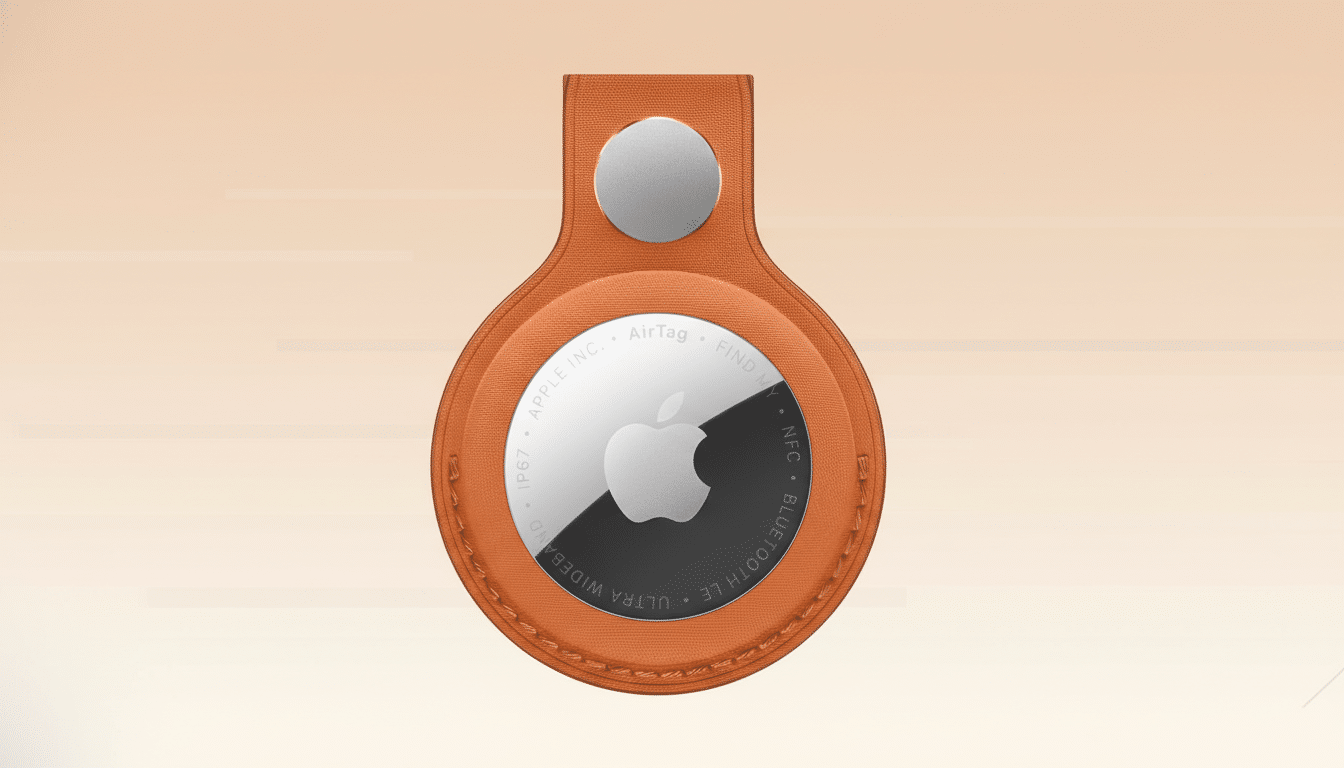
The watch integration matters more than it sounds on paper. Precision Finding on Apple Watch turns a common, daily task—locating keys or a bag—into a wrist‑first flow with haptics and on‑screen cues. Reducing friction often drives real‑world usage, and Apple now covers phone, watch, and speaker cues in one seamless stack.
Network density remains Apple’s quiet advantage. With Apple reporting over 2 billion active devices globally, the Find My mesh has extraordinary coverage, especially in urban areas. Extending Bluetooth detection range means more nearby Apple devices are eligible to help pinpoint a lost tag, shortening the time from “missing” to “found.”
The Competitive Squeeze On Android Trackers
Android’s ecosystem made big strides this year with the expanded Find My Device network from Google and a wave of third‑party tags. But Apple’s upgrade resets the bar on three fronts—precision, wearables, and acoustics—that rivals must now hit in one product cycle.
Precision: On Android, Ultra Wideband support is still fragmented. Many popular trackers lean on Bluetooth only, and while Samsung offered UWB in earlier SmartTag+ hardware, the most recent Galaxy SmartTag 2 emphasizes Bluetooth and battery life. Until UWB becomes standard across both phones and tags, Android users will see more “nearby” approximations than exact arrows. Apple’s 50% range bump widens that experiential gap.
Wearables: Apple Watch now delivers native Precision Finding. On Android, smartwatch‑level tracking is inconsistent. Samsung’s watches and Wear OS devices can ring tags and show proximity, but true UWB‑based directional finding on the wrist is rare. Unless Android OEMs bring UWB to watches and integrate tightly with the Find My Device network, Apple’s “glance and go” advantage will stick.
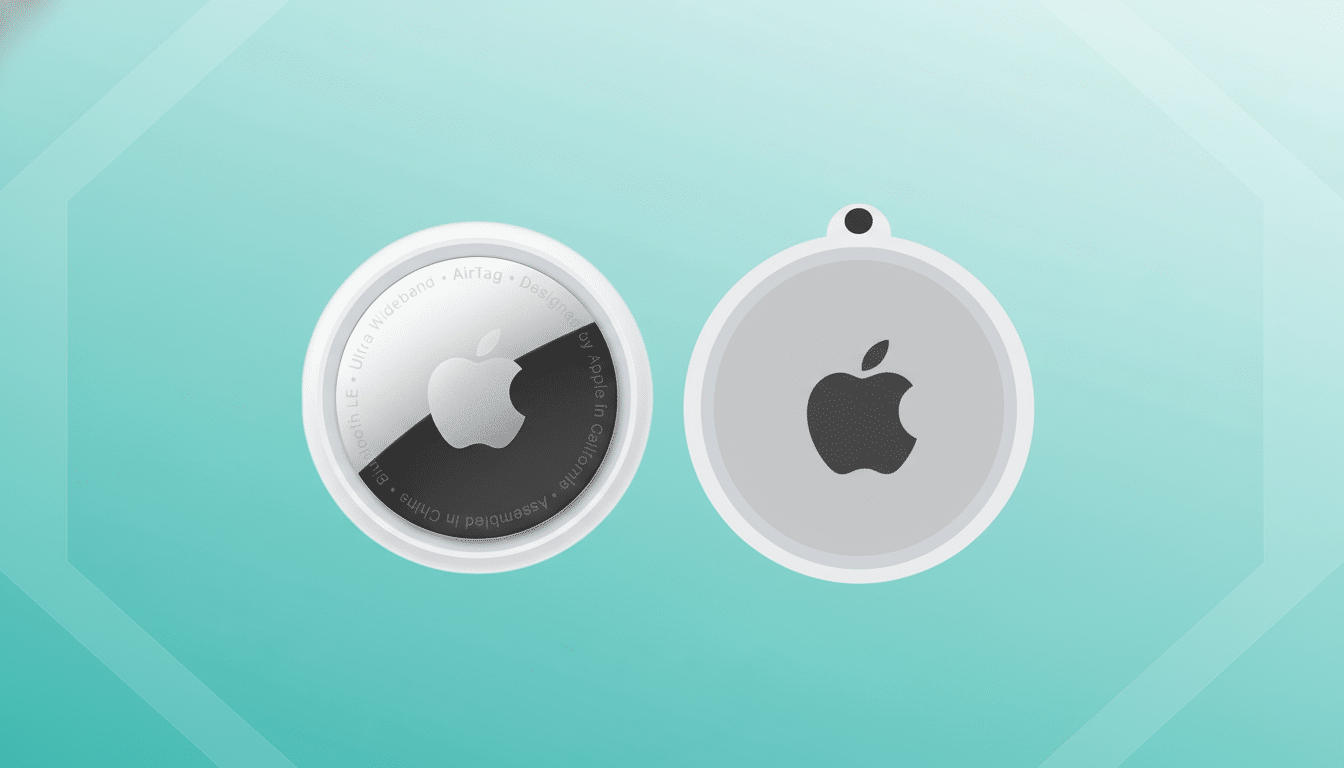
Acoustics: The louder AirTag addresses a mundane but critical pain point—hearing a tag in a noisy room or deep in luggage. Tile, Samsung, and others have improved speakers, yet Apple’s combination of directional guidance and a significantly louder tone makes short‑range recovery faster, especially for users with hearing challenges or in echo‑heavy spaces like garages.
Price pressure is the kicker. Apple kept the single at $29 and the four‑pack at $99, which undercuts or matches many Android rivals when UWB is factored in. For brands competing on value, that pricing makes it harder to charge a premium for less precise hardware.
Privacy Safeguards Shape The Next Round of Trackers
Apple and Google jointly rolled out a cross‑platform “Detecting Unwanted Location Trackers” standard, enabling Android phones to alert users about unknown AirTags traveling with them, and vice versa. Apple’s louder chimes and clearer alerts help ensure tags can be found and disabled if misused. Any Android competitor chasing Apple’s precision and volume must tune anti‑stalking features just as aggressively or risk regulatory blowback and consumer distrust.
Ecosystem Walls And What To Watch Across Platforms
Don’t expect cross‑network tags to blossom. Apple’s Find My Accessory program prohibits devices from participating in competing crowdsourced networks, while Google’s Find My Device has its own certification path. That means buyers will continue choosing networks as much as hardware. For Android users, the wish list is clear:
- Broader UWB in phones and watches
- Tighter Wear OS integration for true directional finding
- Louder and more distinct speaker tones
- Aggressive pricing on multi‑packs
For Apple, this update is a classic efficiency play—better silicon, broader range, and deeper platform hooks with no design overhaul. For Android rivals, the message is blunter: match Apple’s end‑to‑end precision and usability, not just the spec sheet. Until they do, the new AirTag will remain the default recommendation for anyone living in Apple’s ecosystem—and the benchmark everyone else must chase.
