


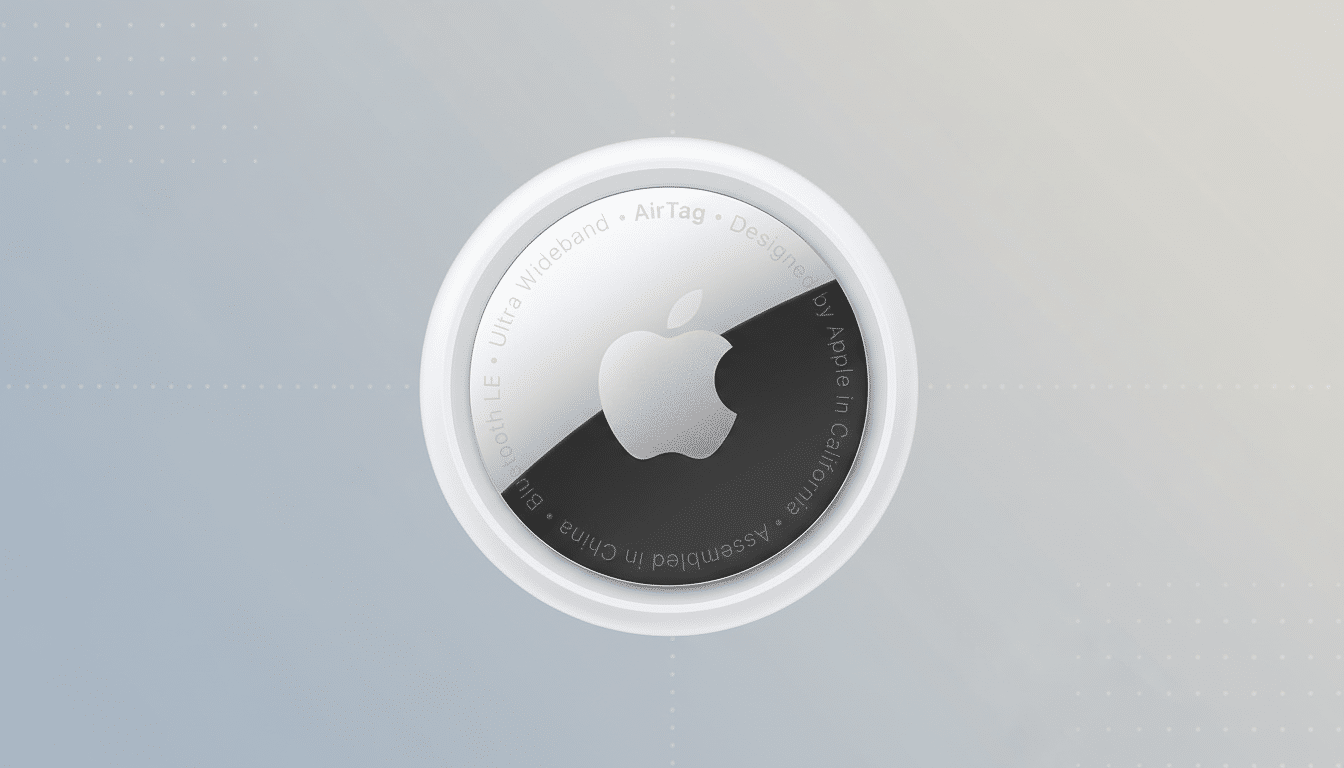
Apple has introduced a refreshed AirTag that pushes item tracking farther and makes it easier to hear in chaotic environments. The disc keeps its familiar look, but Apple says Precision Finding now works up to 50% farther away and the built‑in speaker is 50% louder. The price holds steady at $29 for a single tag or $99 for a four‑pack, and it’s available now from Apple.
This update leans into practical gains rather than a redesign. The expanded range should make it simpler to reacquire a signal in large homes, garages, or crowded public places, while the boosted chirp aims to stand out in real‑world noise—think baggage carousels, city streets, or warehouse aisles.
- What’s New Under the Hood: UWB and Precision Finding
- Why Range and Volume Matter for Real-World Tracking
- Find My Sharing and the Scale of Apple’s Network
- Privacy and Safety Context for Unwanted Tracker Alerts
- Pricing, Compatibility, and Availability Details
- Market Context and What It Means for Competitors
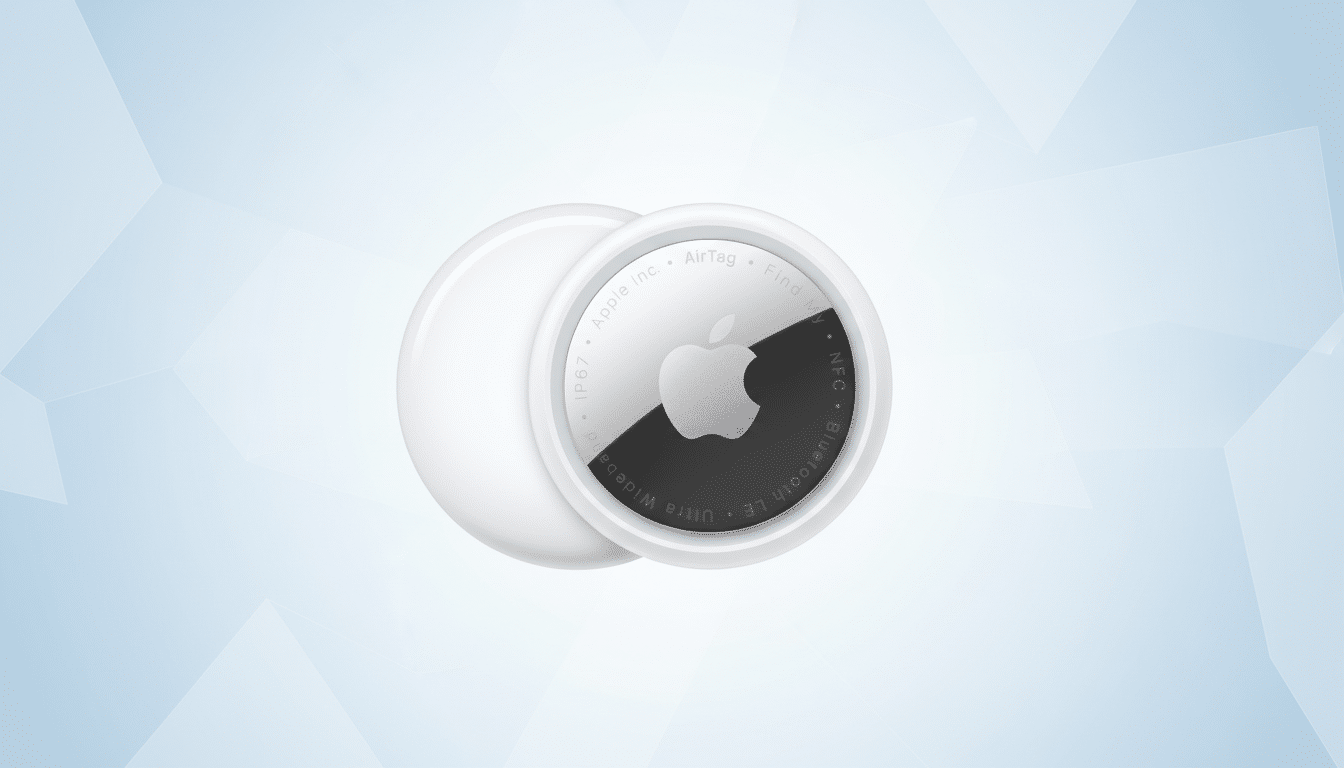
What’s New Under the Hood: UWB and Precision Finding
The new AirTag uses the same second‑generation Ultra Wideband (UWB) chip found in recent iPhones and Apple Watches, enabling more sensitive Precision Finding with directional arrows and distance readouts. Apple also extended Precision Finding to the latest Apple Watches, so you can hunt down keys or luggage from your wrist without pulling out an iPhone.
In practice, a wider effective range means fewer “dead zone” moments. If you’ve ever lost a signal stepping out of a parking elevator or across a courtyard, the 50% enhancement should reduce those gaps and get you back into precise guidance faster.
Why Range and Volume Matter for Real-World Tracking
Travelers have adopted trackers as a simple insurance policy for wandering baggage. Industry data backs up the anxiety: SITA’s Baggage IT Insights has reported tens of millions of mishandled bags globally each year. A 50% jump in precision range can help you lock onto a suitcase sooner—before it vanishes behind a service door or cycles to a distant carousel.
Volume helps too. Ambient noise in airports, train stations, and busy offices regularly sits in the 70–85 dB band. A louder AirTag chirp is more likely to cut through that din, which matters when your wallet is wedged under a car seat or your backpack is buried under a pile of coats.
Find My Sharing and the Scale of Apple’s Network
The AirTag update works with a Share Item Location feature in the Find My app, letting you temporarily and securely share a tag’s location with a third party. That’s tailor‑made for airlines, hotels, or shipping partners who need limited‑time access to help you recover a misplaced item.
It still rides on Apple’s massive Find My network—hundreds of millions of nearby Apple devices can anonymously relay a tag’s location. Apple says the system uses end‑to‑end encryption and rotating identifiers, so only the owner (or approved sharer) can view an item’s whereabouts.
Privacy and Safety Context for Unwanted Tracker Alerts
AirTag’s popularity has prompted scrutiny around unwanted tracking, and Apple has steadily layered on safeguards since launch: audible alerts, clearer notifications, and guidance for law enforcement. In 2024, Apple and Google rolled out a cross‑platform standard called Detecting Unwanted Location Trackers, enabling consistent alerts on iOS and Android when an unknown tracker appears to be moving with you. The new AirTag operates within that framework.
For owners, simple best practices still help: turn on Lost Mode with a contact number, label your item in Find My, and keep sharing windows limited to the partner actually helping you recover the device.
Pricing, Compatibility, and Availability Details
Apple kept pricing unchanged at $29 for one or $99 for a four‑pack. As before, you’ll likely want an accessory to attach it to bags or keys, since the disc lacks an integrated keyring hole.
Precision Finding with directional guidance requires recent Apple hardware equipped with the latest UWB chip—think current‑generation iPhones and Apple Watch models. Older devices can still see a tag’s location on the map and trigger a sound, but they won’t get the on‑screen arrow and distance readout.
Apple did not detail changes to battery life. The prior model used a user‑replaceable CR2032 coin cell that typically lasted about a year, and there’s no indication that the maintenance pattern has shifted.
Market Context and What It Means for Competitors
Apple’s move keeps pressure on rivals like Tile and Samsung, but the company’s edge remains its platform reach and the size of the Find My network. This refresh isn’t flashy; it’s a quality‑of‑life upgrade that makes the tracker more reliable in the places people actually lose things.
If you already own an AirTag that works fine, this isn’t a mandatory swap. But for frequent travelers, parents managing shared gear, or anyone who’s struggled to hear a tag in noisy spaces, the 50% boosts in range and volume are the kind of incremental improvements you’ll notice the first time something goes missing.
