


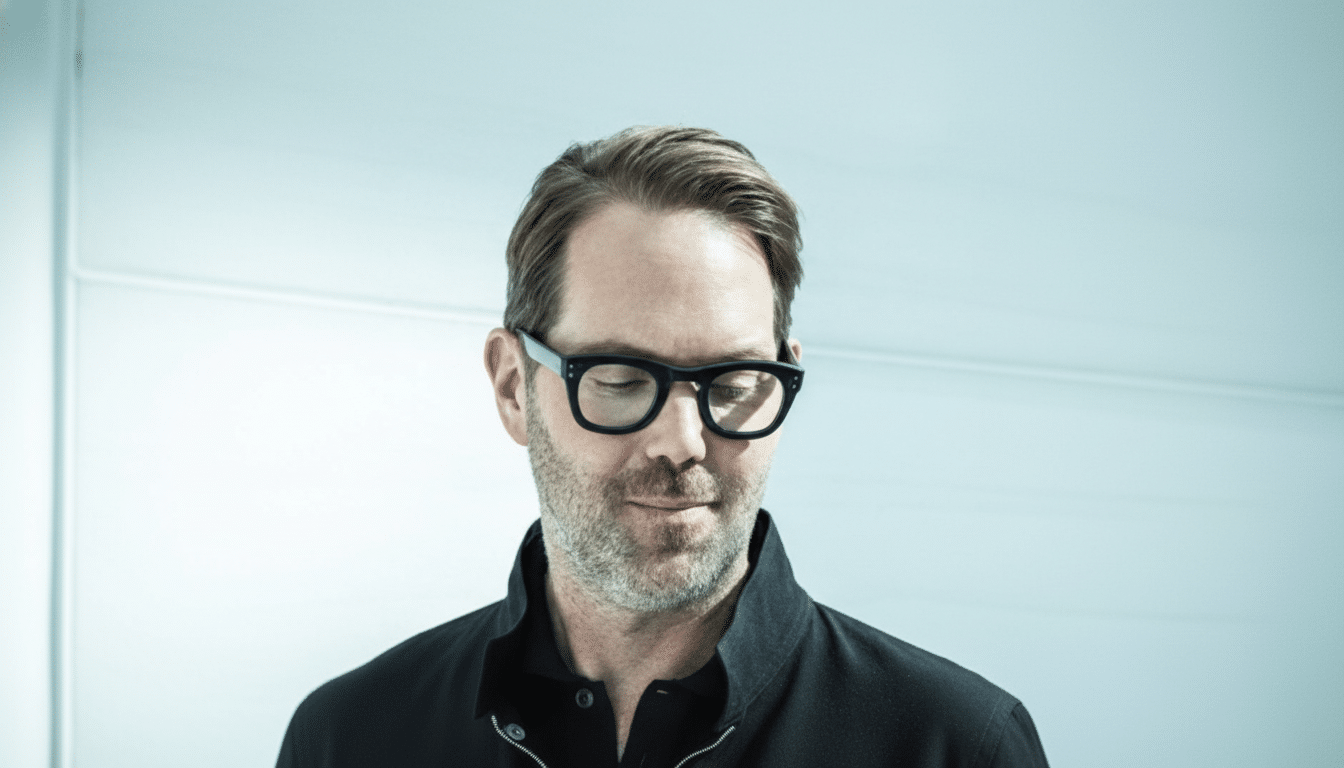
Apple’s longtime head of user interface design, Alan Dye, is leaving the company to work at Meta, Bloomberg has reported. Meta is putting Dye in charge of design that crosses hardware, software, and AI from within a just-created creative studio as design takes a more prominent seat in the company’s product push.
Apple chief executive Tim Cook confirmed the departure of Dye and announced that Stephen Lemay, a long-serving designer, would fill in for him. Meta’s Mark Zuckerberg also announced a new creative studio within Reality Labs, which Dye will lead, with the company saying it combines design, fashion, and technology. He also said Billy Sorrentino, a former Apple designer, would be joining Dye’s team.

Why Alan Dye’s Move to Meta Matters for Design
Dye has been one of the unsung architects of Apple’s modern look and feel. Since assuming human interface leadership in 2015, he has played a key role in harmonizing design across iOS, macOS, watchOS, and tvOS—more recently visionOS—guiding typography with the San Francisco type family, refining iconography, and establishing essential patterns such as widgets, Control Center behaviors, and animation language.
Apple’s design philosophy changed in the post-Jony Ive era to more consistent iteration and legibility at scale. As Apple’s ecosystem expanded, Dye’s teams prioritized accessibility; motion that serves function; and consistent input models. This stewardship is very difficult to replace because it crosses tools, platforms, and hundreds of micro-interactions users are so used to that they hardly notice them until they suddenly break.
What Meta Gets With a Top Apple Designer
Meta has spent massively in spatial computing and wearables, and needs coherence to equal ambition. Reality Labs lost around $16 billion in 2023 on the way to building out headsets, smart glasses, and software services, according to company filings. The hiring of Dye suggests Meta is looking to add deep, system-wide polish to justify that kind of expenditure.
His Apple chapter also overlaps with what Meta will have to figure out next: how to build experiences that can go from a headset, to a phone, to something like connected eyewear. Consider the Quest and Horizon OS gestures that seem as deliberate as a phone lock screen, or Ray-Ban Meta glasses that seamlessly hand off tasks to mobile. The addition of Sorrentino, a design leader known for brand and product storytelling chops, suggests a studio charged with defining not just UI chrome but also the taste and narrative around it.
Apple’s Design Bench and the Stephen Lemay Era
Stephen Lemay, a very long-time Apple designer, steps in with institutional memory and his own reputation for painstaking craft. Cook has said he contributed to every interface at Apple since the late ’90s, including the iPod’s click wheel metaphor, multitouch, and today’s spatial interfaces.
The move comes amid larger executive shuffles at Apple, with leadership changes in both operations and AI that have been covered by big outlets. But Apple’s design organization is constructed to survive rather than change, with scaffolding such as platform human interface guidelines, prototyping tools, and cross-functional review rituals that are more lasting than any individual leader. With an active installed base of more than 2 billion devices, Apple has an incentive to evolve gradually so as not to jolt users or developers.
Implications for Apple and Meta Product Roadmaps
On Apple’s end, the continual din about a foldable iPhone is a reminder of how important UI leadership can be as hardware form factors evolve.
Opinionated design systems are necessary for adaptive layouts, hinge-aware gestures, and continuity across unfolded states. Lemay takes over those decisions and the continued evolution of visionOS and engagement with Apple Watch.
For Meta, the timing coincides with an industrywide race to create what comes after phone-based computing. As Apple ramps up high-end spatial experiences with Vision Pro and Meta scales cheaper headsets and smart glasses, the company that wins is probably going to be the one that makes new interaction paradigms feel like second nature from day one. Dye’s brief seems to be crafted to meet that challenge.
The Bottom Line on Apple and Meta Design Moves
Alan Dye’s leap is one of the rare crossings from Apple’s soul to a direct rival, and it instantly jacks up the ante in the design talent wars. Meta adds a systems-minded leader experienced with shipping interfaces to hundreds of millions, and Apple bets on continuity in Stephen Lemay. Look for Meta’s products to double down on a unified, fashion-forward visual language and Apple to further commit to slow-and-steady, user-first iteration across its ecosystem.
