


Apple’s next showcase is shaping up to be a litmus test for how fast the company can steer its mainstream hardware toward AI, longer battery life, and lower entry prices. Based on credible supply chain chatter and Apple’s own recent positioning, here are five unveilings the company should deliver—plus the one I’d buy the moment preorders open.
A Truly Affordable 12-Inch MacBook for Everyday Users
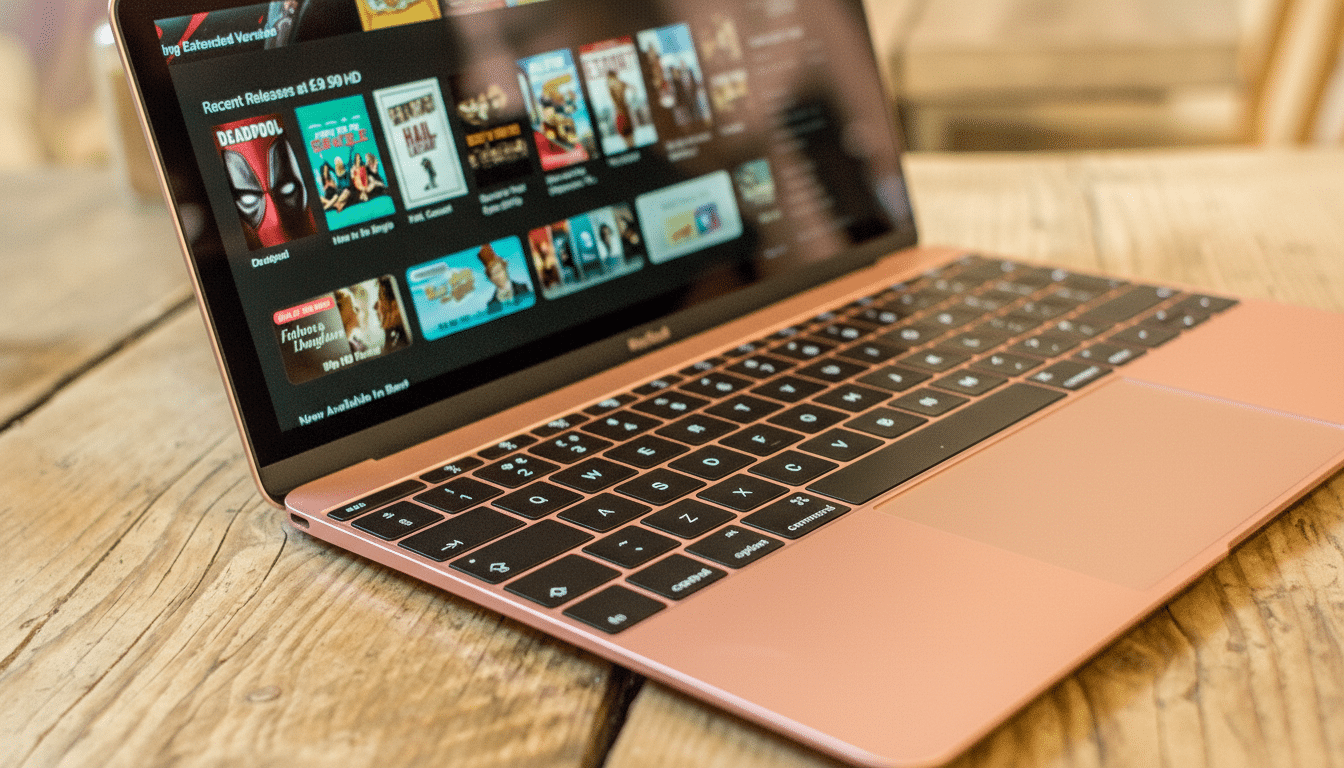
If Apple brings back a 12-inch MacBook at a price that starts closer to an iPad than a MacBook Pro, it would reset the conversation around ultraportables. Reporting from Bloomberg’s Mark Gurman has pointed to a compact, colorful machine powered by an A-series chip rather than an M-series—precisely the formula to hit a compelling price and unlock Apple Intelligence for everyday users.
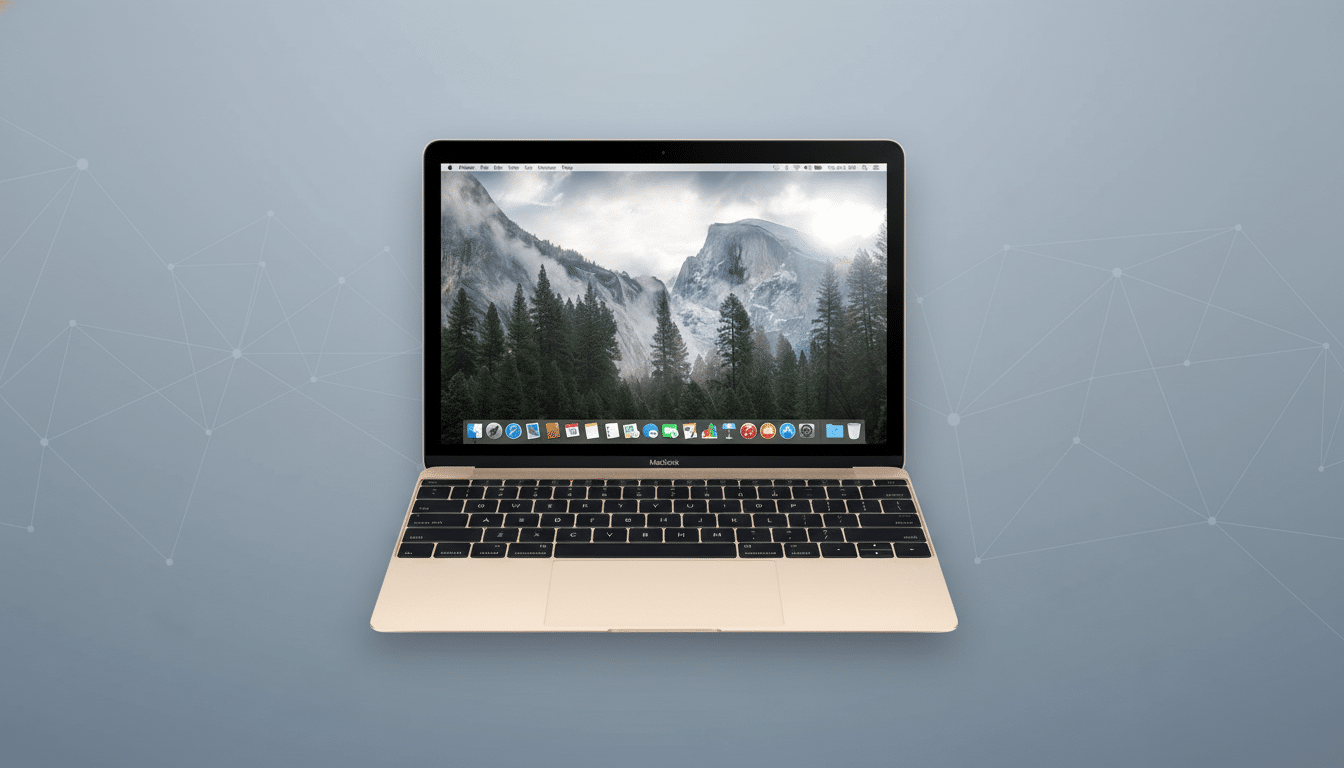
This is the one I’d buy immediately. A light, sub-2.5-pound MacBook that can run modern macOS apps, handle on-device AI tasks, and last all day would slot neatly between an iPad and a MacBook Air for travelers, students, and field workers. Education remains a strategic battleground; Futuresource Consulting has estimated Chromebooks commanded roughly 60% share in US K–12 for years. A capable $500–$700 MacBook could put Apple back on many school procurement shortlists.
To make it sing, Apple should lean into efficiency: a fanless design, 1080p or better webcam, two USB-C ports, and at least 256GB of storage. Pair that with a fast neural engine for Apple Intelligence features, and you have a gateway Mac that expands the ecosystem without cannibalizing higher-tier M-series laptops.
MacBook Air With Real AI Headroom and Battery Gains
The MacBook Air has been the default laptop for millions, but it needs a clear performance and efficiency leap to hold the line against Windows ultrabooks. Independent testing last cycle showed select thin-and-light Windows machines edging Apple’s entry M-series in some CPU and GPU tasks. A next-gen chip with a faster neural engine would not only close those gaps but also run Apple Intelligence entirely on-device for more tasks, reducing cloud reliance and improving privacy.
Apple should also tighten the basics: brighter displays on the 13- and 15-inch models, Wi‑Fi 7 for lower latency and multi-gig throughput, and a modest price trim or student bundle to energize upgrades. With AI PCs dominating PC-market headlines, the Air needs a marquee “hours, not minutes” advantage in battery life during real AI workloads like transcription and image generation.
A Base iPad That’s Finally AI-Ready for Classrooms
The current entry iPad misses Apple Intelligence eligibility, making it a tough sell against rival tablets touting on-device AI. An upgrade to a newer A-series with a beefier neural engine would unlock smarter photo tools, writing assistance, and generative features that work offline. That matters in classrooms and clinics where data can’t leave the device.
IDC continues to rank iPad as the top global tablet line, but replacement cycles have stretched as users hold onto older models longer. A refreshed base iPad with Apple Pencil support, better cameras for document capture, and years of AI-focused iPadOS updates could nudge fence-sitters to finally upgrade.
iPad Air That Feels Closer to Pro for Creators
The iPad Air sits in an awkward middle ground: beloved by creators and students but overshadowed by the Pro. A performance bump, Wi‑Fi 7, faster 5G, and improved external display support would close the gap where it counts—video editing on the go, whiteboarding, and dual-screen productivity. Add Pencil Pro features across sizes and you unlock a wider base of sketchers, note-takers, and CAD-adjacent workflows without forcing a Pro-tier spend.
Accessories will make or break this story. A sturdier, lighter keyboard case and refined cursor/gesture support would let the Air credibly stand in for a lightweight laptop for far more people.
A Lower-Cost iPhone That Still Feels Premium
Apple’s “e” tier has become a pressure valve for price-sensitive buyers. A new model that adopts the same-generation A-series chip as flagship phones, plus next-gen wireless, would bring longevity and resale value to the lower end of the lineup. CIRP has repeatedly noted a climb in average iPhone selling prices in recent years; a $599-class device with serious headroom would counter upgrade fatigue and bolster installed-base growth.
For carriers, a capable entry iPhone helps move customers to 5G and new plans; for Apple, it’s an on-ramp to Services. The win requires discipline: flagship-grade silicon, improved cameras with better low light, and at least 128GB of base storage.
The Upshot: Align AI, Connectivity, and Pricing Now
Apple doesn’t need to reinvent every product at once. It needs to align them around three pillars: on-device AI that’s private and fast, modern connectivity like Wi‑Fi 7, and price points that welcome more people into the ecosystem. Deliver those, and the 12-inch MacBook becomes the impulse buy; the rest become obvious upgrades.
