


An APK teardown of a leaked One UI 8.5 build reveals evidence of a substantial battery boost around the corner for Samsung’s next set of premium earbuds. New strings found in the app code indicate that the cell capacity of Galaxy Buds 4 Pro will be a standard 61mAh per bud — a significant increase over the previous Pro generation — while standard Galaxy Buds 4 will get a slight drop instead.
It’s an interesting move that could result in longer listen times and more headroom for features like active noise cancellation, higher-bitrate streaming (Macworld’s Jason Cross points out that one of the recent features added to Apple Music was lossless audio), and so on. The same code further tweaks an earlier finding about head-based controls, suggesting that Samsung’s new “Head Gestures” may be more limited in focus when the feature first emerges than previously reported.
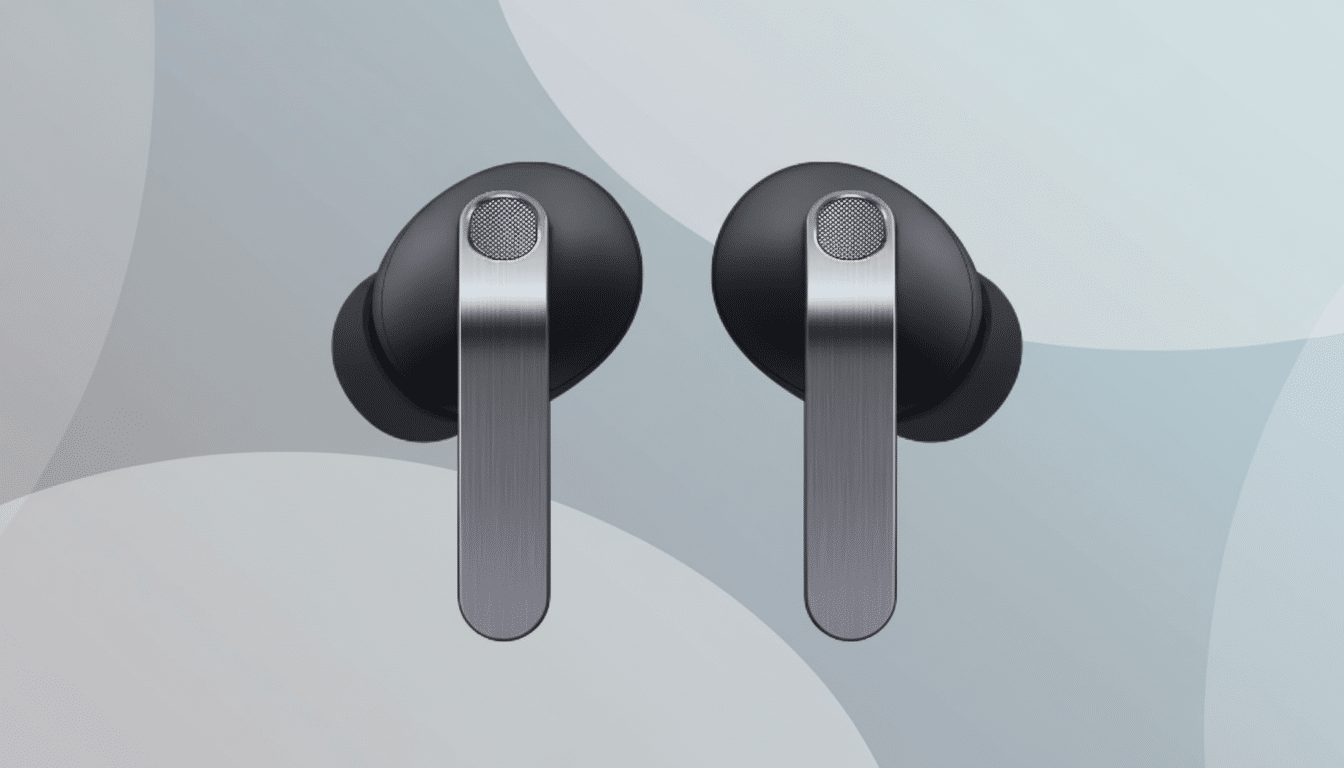
Bigger Earbud Cells and What the Battery Numbers Mean
The revised strings specify 61mAh (Buds 4 Pro) and 45mAh (Buds 4) as typical capacities, not rated minimums. The Pro is rated at 57mAh, while the standard version has a rating of 42mAh listed in the code. This is consistent with IEC 61960 guidelines that battery manufacturers follow — typical capacity being the average anticipated capacity under normal operating conditions, and rated capacity being a minimum figure.
For perspective, the Galaxy Buds 3 Pro employed a standard-issue 53mAh cell, while the non-Pro Buds 3 came in at 48mAh. That means the jump to 61mAh on the Buds 4 Pro is approximately a 15% increase generation over generation, with last year’s Buds 4 coming in at around 45mAh — roughly a minus-6% hit from before. Interestingly, the Pro’s fresh figure is identical to the Galaxy Buds 2 Pro, which similarly cited a typical capacity of 61mAh.
It should be noted, however, that battery capacity is a piece of the endurance puzzle. Final listening time is shaped by firmware tuning, ANC efficiency, driver style, and even how the Bluetooth codec behaves. Meanwhile, bumps in capacity at the cell level typically result in real-world gains, unless counteracted by hungrier functions.
What This Could Mean for Real-World Battery Life
If Samsung keeps power consumption in check, a ~15% increase should translate to an additional 30–60 minutes of playback time with ANC on, depending on typical TWS power profiles. That would keep the Buds 4 Pro in the mix with the likes of Apple’s AirPods Pro 2, which boast up to roughly six hours of ANC longevity, and Sony’s WF-1000XM5, which last for up to 8 hours with ANC off and offer good battery life even when noise canceling is active.
That minuscule capacity reduction on the regular Buds 4 could be made up for in software optimizations or a less feature-packed package. Brands generally reduce consumption with smarter ANC algorithms, adaptive transparency filters, or simply more efficient DSP paths. (Charging case capacity and charge speeds will play a significant role as well, but those details weren’t included in the strings that were analyzed.)
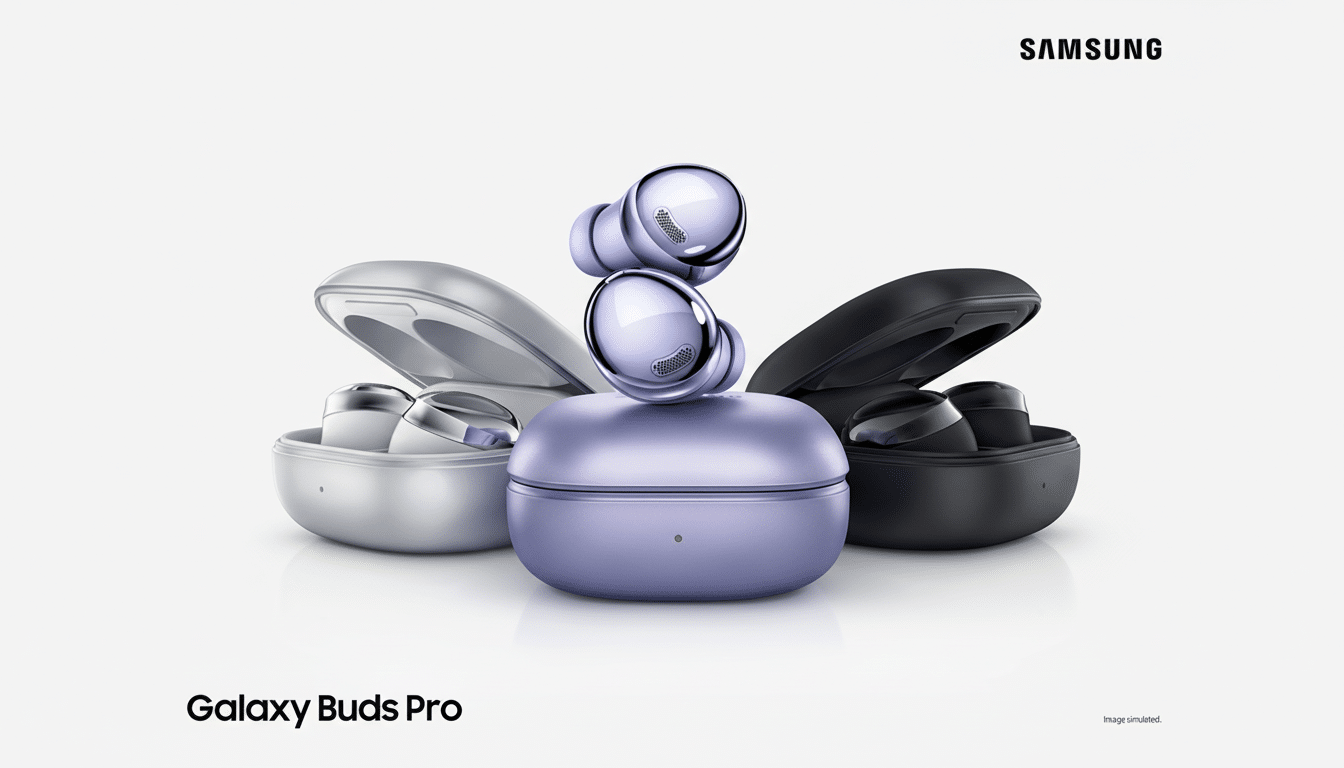
If Samsung still offers a quick top-up, small gains to earbud stamina can feel big while you’re going about your day. The good old 5–10 minute splash charge which tacks on an hour of listening time is still one of the most usable quality-of-life features for commuters and gym rats.
Head Gestures Feature Seems More Restricted
The code also clarifies previous clues to a “Head Gestures” feature on Buds 4 Pro. Rather than systemwide controls, the new strings suggest that the nods and shakes would be limited to call management and Bixby (answering or rejecting calls; answering yes-or-no to Bixby; ending Bixby conversations).
Conspicuously absent are system-level actions, such as dismissing alarms, timers, or notifications. That tighter focus might represent a conservative first stab to ensure reliability and minimize false positives. Motion-driven input is tough to get right at the scale of an earbud, and it can help with accuracy to limit the move to binary decisions or obvious call events.
Caveats and What to Watch Next Before Final Release
APK teardowns provide helpful hints, but aren’t final evidence of features. Capacities, features, and wording that are introduced at a retail or regional level may not apply to the device in question. Yes, typical and rated capacities listed in the code are good indicators of battery hardware — however, real-world endurance will be dependent upon finished firmware and tuning across ANC modes, codecs, and volume.
Nonetheless, the Buds 4 Pro’s refresh with a proper 61mAh capacity cell proves Samsung wants to eke out more listening time while maintaining those all-important flagship features. Should the company combine that with smarter ANC and more efficient power management, then the Buds 4 Pro could easily rank among this year’s longest-lasting premium earbuds, though the standard Buds 4 will have to be no slouch in optimizations given its smaller cell.
