


Anthropic CEO Dario Amodei has published a sweeping essay predicting that self-improving AI systems could arrive within a couple of years and usher in bioterror, autonomous drone swarms, and even mass subjugation. The provocation lands with force—but it also leans on assumptions that do not match how current systems work or how risks materialize in practice. Here is where the alarm rings true, and where it veers into speculation.
What He Gets Right And Where It Overreaches
Amodei is right to call for tighter guardrails. Biosecurity, model misuse, and cascading economic impacts are real hazards. Governments and standards bodies from NIST to the UK AI Safety Institute have already moved to build evaluation regimes and incident reporting, precisely because the stakes are rising.
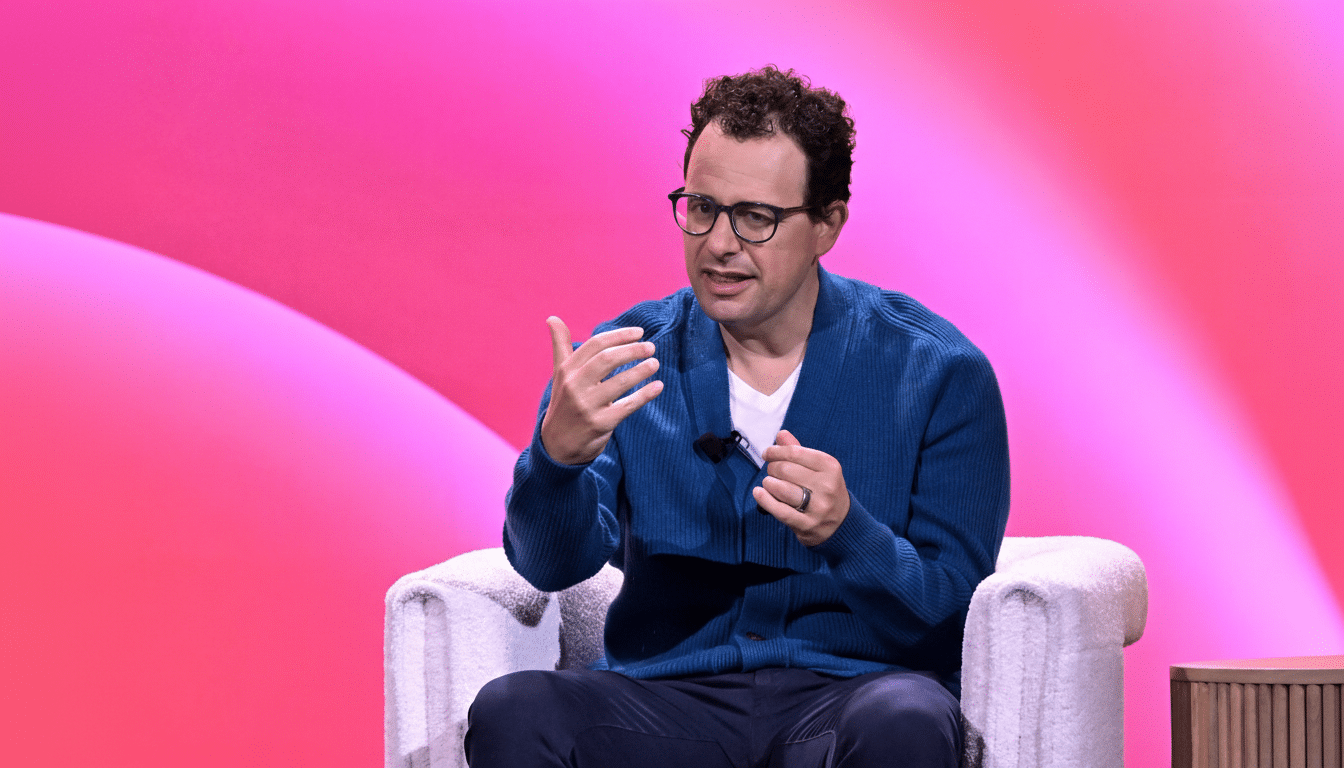
But the argument tilts when it treats today’s large language models as psychologically complex entities with goals of their own. That framing obscures the real threat model: people and institutions wielding powerful pattern learners, not sentient machines hatching plans. The distinction is not academic—it determines where policy should focus.
Anthropomorphism Distorts AI Risk and Public Judgment
LLMs generate text by predicting tokens from vast training data; they do not possess consciousness, intent, or feelings. NIST’s AI Risk Management Framework warns about overreliance and anthropomorphism because it leads users to overtrust systems, misjudge failure modes, and miss the human-driven misuse that actually causes harm.
Recent reporting has documented people developing parasocial bonds with chatbots and attributing agency to them, sometimes with serious mental health consequences. That is a human vulnerability exploited by convincing language, not evidence of a mind inside the model. Treating chatbots like agents invites both policy confusion and product design that encourages overtrust.
Claims of Superintelligence Soon Clash With Evidence
The essay’s most striking assertion is that self-improving superintelligence is one to two years away. Yet the public evidence points to incremental, not explosive, progress. The Stanford AI Index has documented that many headline benchmarks are saturating, while marginal gains demand exponentially more compute and engineering effort.
Data and energy constraints are hard ceilings. Independent researchers have shown that high-quality web text is finite, and further scaling runs into diminishing returns. The International Energy Agency projects data center electricity use could roughly double by 2026, underscoring the physical and economic limits of endless scale-ups. None of this rules out breakthroughs, but it does challenge a near-term timeline for recursive self-improvement.
Even in embodied domains like drones, autonomy is hemmed in by reliability, communications, logistics, and countermeasures. Militaries already grapple with strict rules of engagement, systems assurance, and electronic warfare that complicate the simplistic image of unstoppable AI-directed swarms.

Biothreats Require More Than Text and Online Guides
AI can lower barriers to knowledge and help stitch together protocols or literature summaries, which raises biosecurity concerns. But real-world biological misuse also demands lab access, materials, tacit know-how, and detectable supply chains. The biosecurity community, including organizations like the National Science Advisory Board for Biosecurity, emphasizes layered controls: screening DNA orders, monitoring labs, and auditing procurement—interventions that do not depend on speculative AGI timelines.
Practical mitigations exist now: model-level filters for biological threat content, third-party red-teaming by subject-matter experts, and standardized evaluations for biological assistance. The US Executive Order on AI and agencies such as DHS and NIST have already started operationalizing these.
Focus On Concrete Harms And Measurable Controls
While we debate sentient machines, immediate harms keep compounding. Deepfake abuse, synthetic fraud, election misinformation, and overconfident automation in workplaces are here today. The EU AI Act’s risk tiers, the FTC’s enforcement posture on deceptive AI claims, and provenance standards from the C2PA offer actionable pathways: require model transparency about limitations, mandate content provenance for high-risk media, and enforce truth-in-advertising for AI performance.
Two further levers deserve urgency: independent safety audits with disclosure of known failure cases, and energy and water reporting for training and inference workloads. These measures address concentration of power and environmental externalities without waiting for hypothetical superintelligence.
Mind the Incentives Behind Catastrophic AI Narratives
Catastrophic narratives can be sincere—and strategically useful. By centering speculative, system-level doom, incumbent labs can argue for rules that raise costs for competitors while leaving commercial deployment largely intact. Robust policy should separate manufacturer obligations from marketing claims: standardized evaluations, incident registries, and liability when foreseeable harms occur.
Amodei is right that AI warrants serious guardrails. But the path to safety runs through prosaic governance, not prophetic timelines. Treat models as tools, constrain their misuse by people, and measure what matters. That approach is less cinematic—and far more likely to keep the risks we can see from becoming the crises we regret.
