


Anker’s new Solix E10 is the rare home backup system that actually simplifies everything. It blends battery storage, rooftop solar, and an optional generator into one coordinated platform that keeps power flowing through seamless, split-second switchover. For households tired of managing mismatched gear or wondering whether to choose a battery or a generator, the E10’s hybrid approach is the most coherent answer I’ve seen.
The Hybrid Trick That Changes Everything
At the center of the system is what Anker calls its Power Dock, which unifies three inputs—battery, solar, and an optional Smart Generator—on a single DC backbone. That matters because most residential setups force AC conversions at every step, wasting energy and complicating control. By keeping the generator on the DC side, Anker says backup duration can be extended by up to five times compared with traditional AC-coupled generator add-ons. That claim tracks with what engineers expect when you cut out redundant conversions and let the battery act as a buffer between the house and a steady, fuel-sipping generator output.
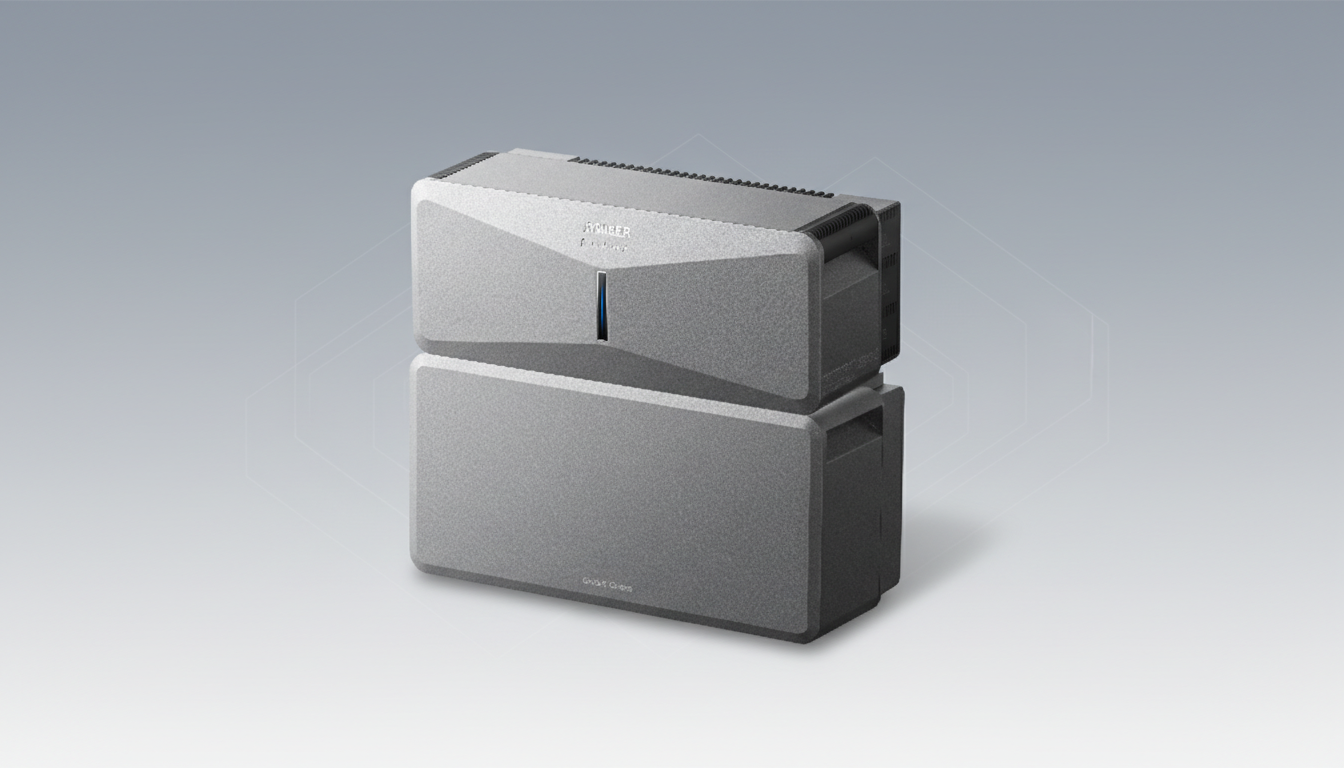
The Power Dock also delivers automatic transfer in about 20 milliseconds. In practical terms, that’s fast enough to keep fridges running, prevent sump pumps from stalling, and avoid rebooting sensitive electronics. Typical manual transfer switches can take seconds; 20 ms is closer to UPS-class continuity without littering your home with small, temporary backup devices.
Modular Capacity And Serious Solar Input
The E10 starts with a 6 kWh battery module and scales up to 90 kWh by combining three full systems. That range moves the product beyond “keep the lights on” territory into whole-home endurance. Many families can ride out overnight outages on 12–18 kWh (two to three modules), while larger homes or medical equipment users can push far higher without rethinking the entire architecture.
Each unit accepts up to 9 kW of solar input and plays nicely with rigid rooftop arrays, portable panels, and third-party AC solar. High PV throughput means you can recharge quickly between clouds or during brief sun breaks—a critical advantage if you’re managing back-to-back storm days. With the optional generator supplying DC directly into the system, solar and fuel support aren’t competitive; they’re complementary.
Installation Paths That Match Your Budget
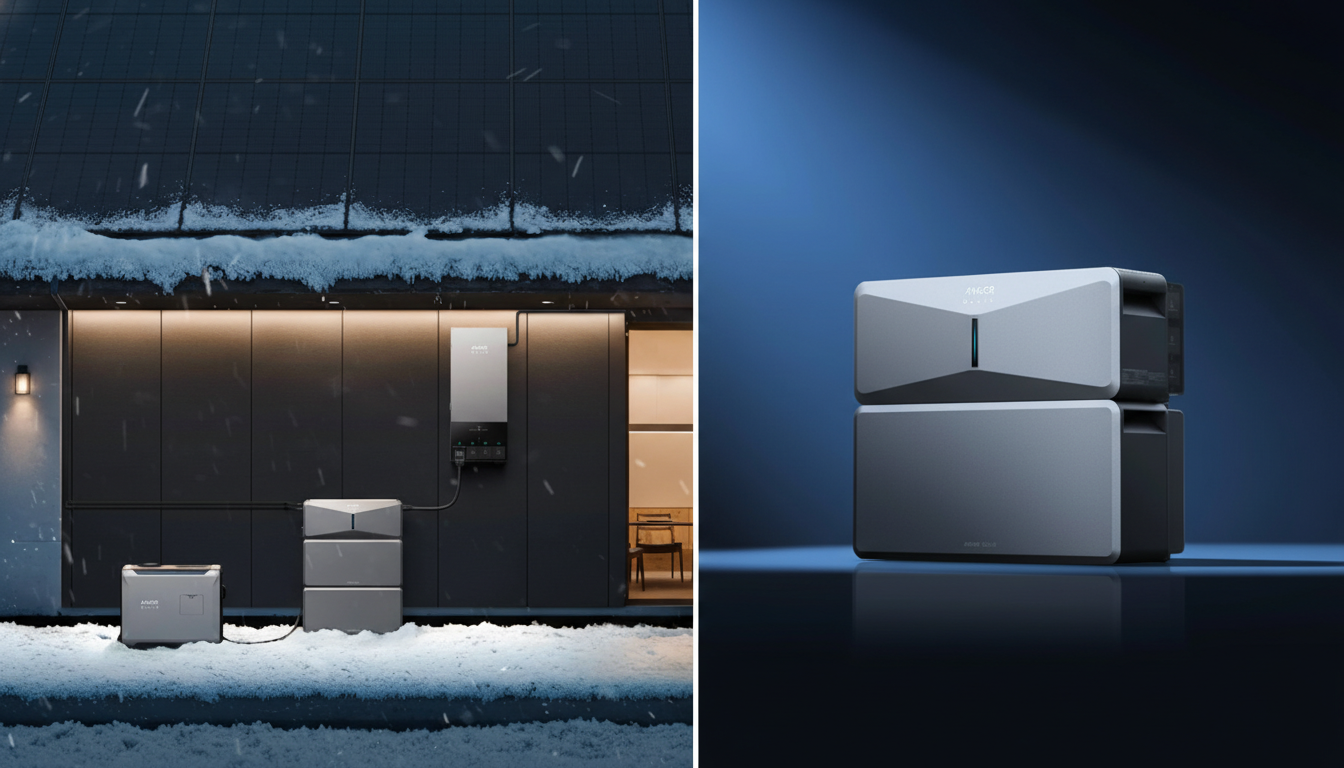
Homeowners get two installation choices. The Power Dock option is the full-tilt experience with automatic switchover and integrated control. A more budget-friendly Smart Inlet Box delivers manual switchover and can tie into existing solar, making it a smart retrofit for people who want resilience without reworking their entire electrical service on day one.
Hardware is outdoor-ready with an all‑metal NEMA 4 enclosure and an operating range from minus 4 to 131 degrees Fahrenheit. The stackable design and labeled, plug‑and‑play connectors suggest DIY appeal, though permits, interconnection agreements, and code compliance still matter. Savvy buyers should confirm UL 9540/1741 listings and coordinate with local inspectors under the latest National Electrical Code—good practice for any stationary energy storage installation.
Why This Matters as Power Outages Grow Longer in the U.S.
U.S. households are losing power more often and for longer stretches. The U.S. Energy Information Administration reports that customers averaged roughly 5.5 hours without electricity in a recent year, with major weather events driving most of the pain. Wildfire-related shutoffs in the West and severe storms elsewhere continue to push resilience from “nice to have” to “must have.”
Real-world math helps. If your essential loads hover around 2 kW—think refrigerator, sump pump, a few circuits of lighting, internet, and a furnace blower—a single 6 kWh module covers a few hours. Double to 12 kWh and you’re into overnight territory. Add solar and daytime recharging shortens generator runtime, saving fuel and noise. Because the E10’s generator input feeds DC, the battery can smooth peaks while the engine hums at optimal efficiency, rather than racing to every appliance start-up.
Pricing Context And Competitor Landscape
Anker’s pricing lands aggressively for an integrated system. The base E10 package with one inverter and one battery starts at $4,299. A Smart Inlet Box bundle runs $4,599, while the Power Dock configuration costs $5,799. A full kit with E10, Smart Generator, and Power Dock is $7,399. Anker backs the lineup with a five‑year warranty, extended to eight years for preorders.
Compared with common battery‑only options—think Tesla Powerwall or LG ESS—Anker’s key differentiator is the native, DC‑side generator integration. Generac’s ecosystem leans into generators first, with batteries as add‑ons; Anker flips that script by making the battery the brains of the operation. For homeowners on time‑of‑use rates, the E10 also supports bill optimization by charging off solar and discharging during peak windows, a strategy that the National Renewable Energy Laboratory has consistently shown can shave peak demand and bolster resilience when the grid is stressed.
The Bottom Line on Anker’s Solix E10 Home Backup
Plenty of companies promise “whole‑home backup.” The Solix E10 actually behaves like it. It cuts through the battery‑versus‑generator dilemma, coordinates solar without extra boxes, and switches fast enough that outages feel like momentary blips. Add the modular path from 6 kWh to true whole‑home capacity, and you have a system that grows with your needs instead of forcing a one‑shot decision. For anyone serious about storm‑proofing their house without turning it into a science project, this is the most complete and comprehensible solution to hit the market in years.
