


I’m not sold on Gemini, but I am genuinely excited for Android XR glasses. The anticipation has little to do with generative AI magic and everything to do with a simpler, more tangible promise: a camera on your face that makes real-world capture effortless and better than any phone-on-a-tripod workflow.
As Google readies an Android XR platform with hardware partners and chipset support, the most compelling near-term use case isn’t a talking assistant—it’s hands-free photography and video that taps into years of smartphone imaging breakthroughs.
AI Frustration Meets Hardware Hope for XR Glasses
Trust in chatbots has taken hits, and Gemini’s misfires—hallucinated answers, uneven reliability, and the high-profile suspension of its image generation—haven’t helped. The idea of a generative model constantly watching through a camera is, frankly, unappealing for many users who just want tools that work without drama.
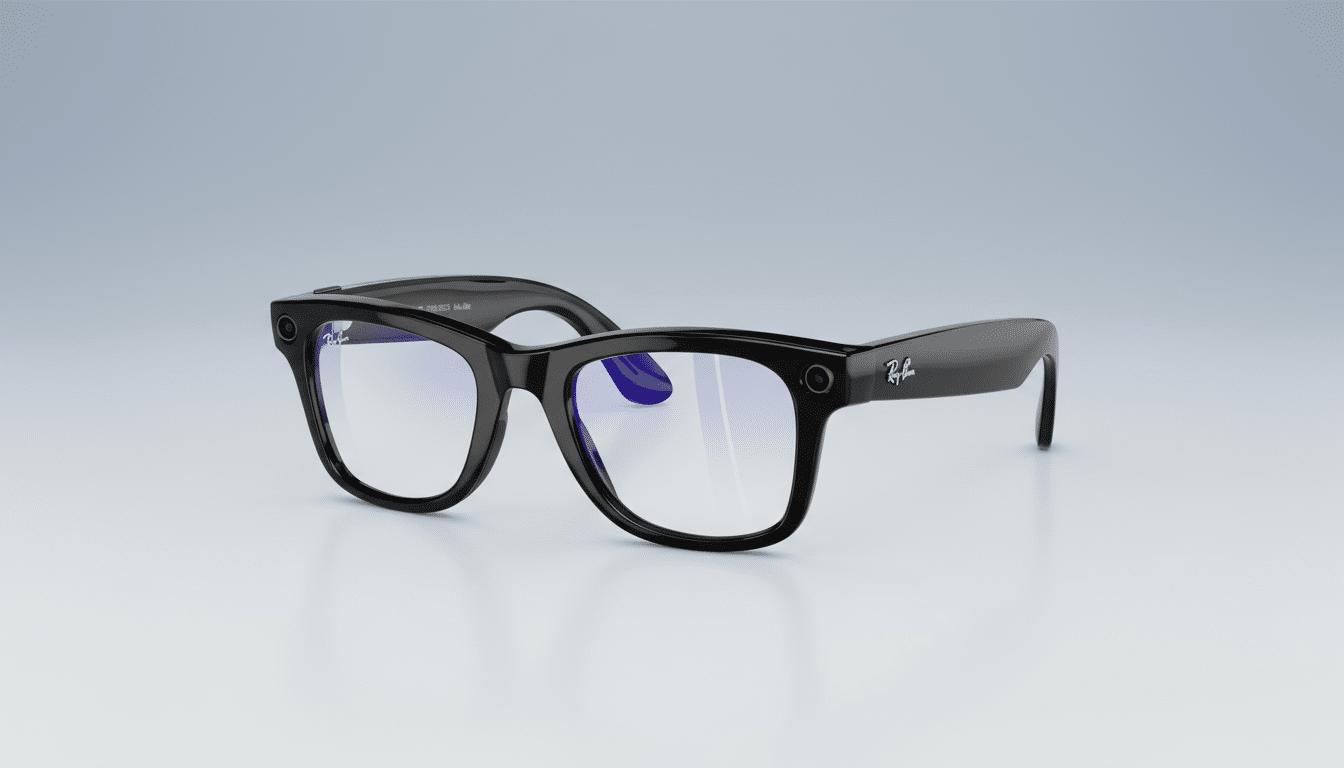
XR doesn’t have to be that. The win is pragmatic: frictionless capture. For journalists filming hands-ons, creators recording how-tos, or anyone documenting fast-moving scenes, eyeglass cameras eliminate the contortions of one-handed shooting and the baggage of tripods and gimbals. Meta’s Ray-Ban glasses proved the category’s baseline viability with a 12MP camera, 1080p video, and surprisingly decent stabilization—proof that heads-up cameras can be practical today.
Cameras Look Like the Killer App for Early XR
Picture a product briefing: both hands free to flip a device, show hinge tension, and capture B-roll from your own perspective. Or imagine travel footage where quick, spontaneous cityscape shots don’t require pocket acrobatics. These are mundane scenarios that phones still make clumsy and that glasses could make second-nature.
The industry has seen the arc before. Google Glass normalized first-person capture for early adopters; Snap Spectacles validated playful, hands-free clips; Ray-Ban’s partnership brought acceptable fashion to the equation. Each generation inched toward a more credible camera-first wearable. Android XR is poised to stitch those lessons into a mainstream platform open to multiple brands and price points.
What Android Brands Could Deliver With XR Cameras
Samsung’s camera software playbook feels tailor-made for glasses. Single Take could automatically assemble highlight reels from a walk through a trade show, while Super Steady stabilization and custom color profiles bring the familiar “Galaxy look” to head-mounted video. Samsung’s phones already rank among the best for video consistency, so translating that polish to glasses is a credible near-term target.
Google has deep roots here. The computational photography that powers Pixel HDR+ traces back to early work around Glass and burst-merging techniques championed by its research teams. On glasses, Pixel-grade features—Super Res Zoom for digital punch-in without a telephoto, Action Pan for motion-styled stills, and a reimagined Photo Booth that auto-captures smiles and moments—could redefine what a wearable camera captures while you stay present.
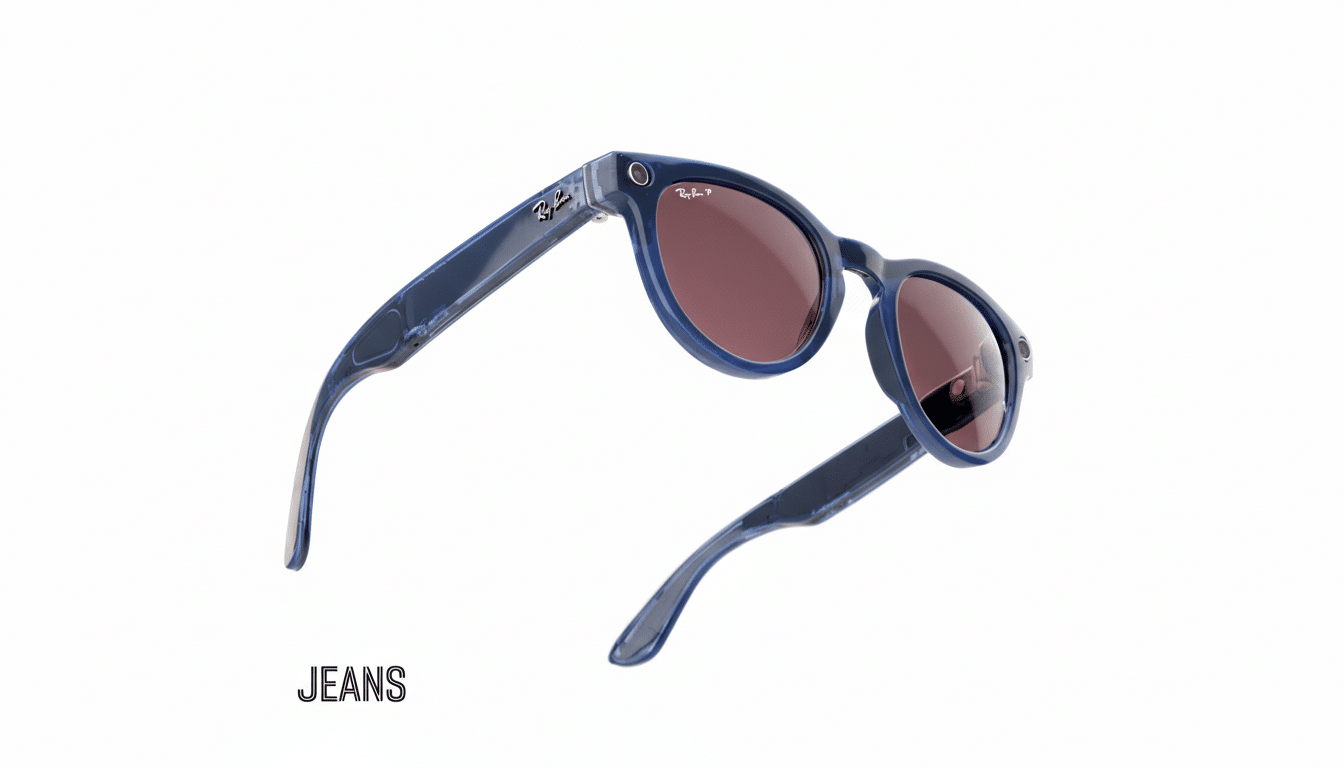
Other Android makers bring distinct imaging DNA. Xiaomi and OPPO have developed signature color science and robust scene detection; OnePlus’ document-scanning and quick capture modes could be effortless in a HUD-driven workflow; several Chinese brands already ship teleprompter features on phones that would translate beautifully to glasses for creators. A recent report from DigiTimes suggested vivo won’t jump in soon, which is a pity given its low-light and video strengths.
The Platform Pieces Are Falling Into Place
Under the hood, the ecosystem looks ready. Qualcomm’s Snapdragon AR1 Gen 1 focuses on low-power camera and on-device AI for glasses, while XR2-class chips anchor more capable mixed reality headsets. Google has signaled that Android XR will provide the software scaffolding—inputs, camera pipelines, and sensor fusion—so OEMs can concentrate on industrial design and imaging experiences instead of reinventing the stack.
Yes, AI still matters, just not as a personality on your face. The useful bits are pragmatic: AR mapping for navigation, real-time captions for accessibility, scene understanding that helps auto-expose, de-warp, and denoise, and selective assistant features like camera-sharing for quick translations or object IDs. These are quiet helpers, not co-stars.
Privacy and Design Must Lead for Camera Glasses
Bystander trust is non-negotiable. Clear recording indicators, audible shutters, and strong data minimization should be default, not afterthoughts. Organizations like the Electronic Frontier Foundation have long argued for transparent capture cues and local processing to reduce inadvertent surveillance. Android XR has a chance to set consistent policies—on-device storage by default, short-lived buffers, and granular permissions that treat video like the sensitive data it is.
If privacy guardrails are visible and reliable, the discussion can shift from fear to utility. And utility is where camera-first glasses shine: frictionless capture, creator-friendly workflows, and smart but unobtrusive software that respects your attention and everyone else’s space.
So, no, I don’t want Gemini narrating my world. But I do want Android XR glasses that inherit the best parts of smartphone photography and put them where they belong—right where the action is. If the leading Android brands bring their signature imaging chops to this form factor, the next big camera upgrade may not be a phone at all. It might be the frame on your face.
