


Wide, landscape-first foldables didn’t disappear by accident. Android’s own guardrails sidelined them. Now, after a series of platform tweaks and stricter developer requirements, Google is undoing the damage — and the industry is lining up to try the format again.
How Android Sidelined Wide Foldables With Letterboxing
Android 12L introduced a pivotal change: compatibility modes that letterboxed apps not optimized for large screens. It was meant to protect usability and nudge developers to adopt responsive layouts for tablets and foldables. In practice, it punished landscape-first foldables most. Open a “wide” device like the original Pixel Fold and you’d often hit black bars with apps such as Instagram, Booking, and Deliveroo. Rotate the phone, and suddenly the same app would fill the display — a clumsy, orientation-dependent workaround that made users feel the software was fighting them.
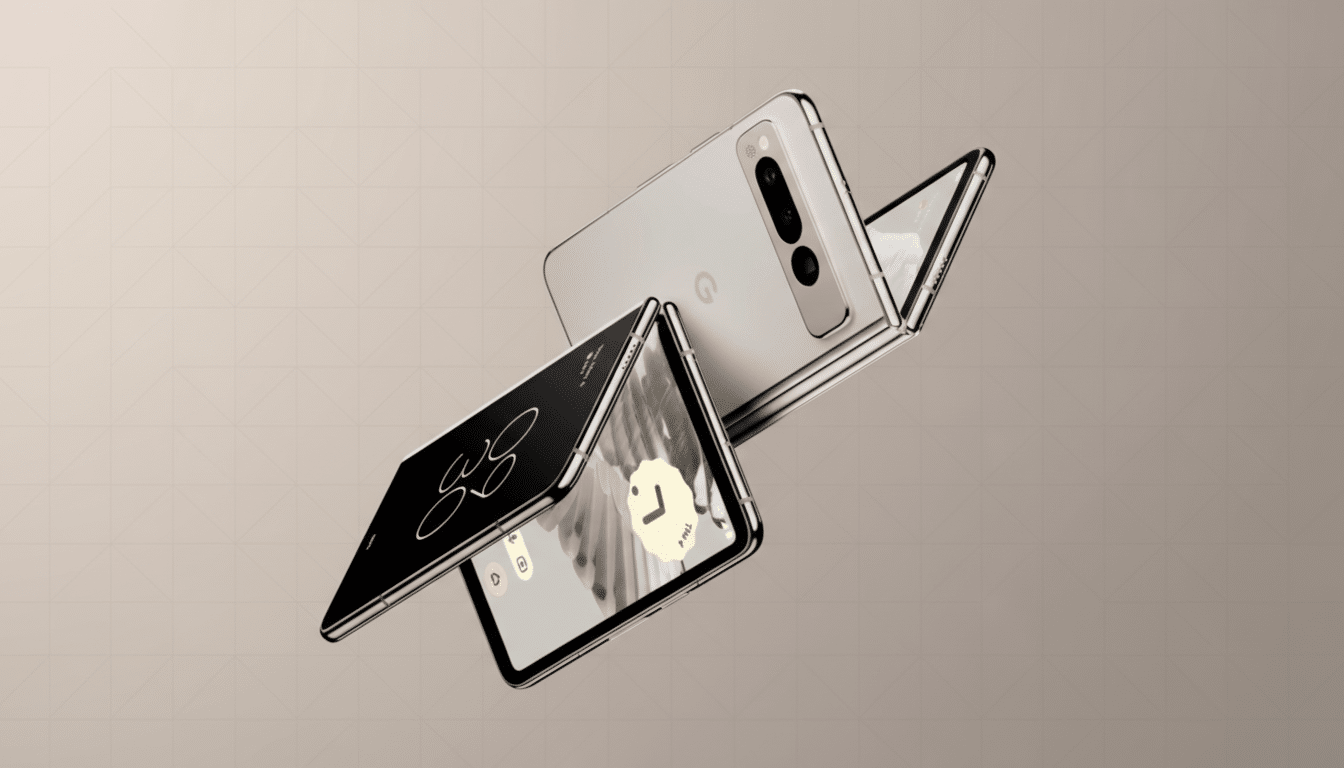
Manufacturers adapted by shifting to squarer inner displays. The trick was simple: make the open screen register as portrait by default so unoptimized apps would go full screen, even if their layouts weren’t truly tablet-ready. Google and OPPO moved in this direction, and the wider book-like foldables vanished. The form factor didn’t fail on its own merits; it was boxed out by policy and inertia.
The Turning Point in Software for Large Foldables
Android started to undo the damage with Android 14 QPR1. A new per-app aspect ratio control lets users force full screen for stubborn apps. On Pixel phones, you can tap the letterbox icon or dive into App Info > Aspect Ratio and pick Full Screen or Half Screen. In real-world use, most modern apps reflow acceptably because they’re already built on responsive toolkits; the system was simply honoring their conservative declarations before.
The platform is tightening the screws further. Recent Android releases elevate large-screen behavior from “nice to have” to table stakes. Android now increasingly ignores restrictive app preferences on tablets and large foldables, and Google has signaled that upcoming target API requirements will remove opt-outs and demand true resizability. The message to developers is clear: adopt Jetpack WindowManager, Activity embedding, and Material 3 adaptive patterns, or your app will look broken to millions of users.
This shift aligns with broader Play policies that grade large-screen quality and surface better-optimized apps more prominently. It’s carrot and stick: improved system defaults for users, discoverability and rewards for developers who do the work, and fewer escape hatches for those who don’t.
Why Wider, Landscape-First Foldables Matter Again Now
Landscape-first foldables aren’t just a stylistic choice. They excel at split-pane UIs, document editing, desktop-class email, side-by-side chat and media, and widescreen video without awkward bars. Taskbars and keyboards fit more naturally, and two apps at once feel purposeful rather than cramped. The hardware always made sense; the software friction didn’t.
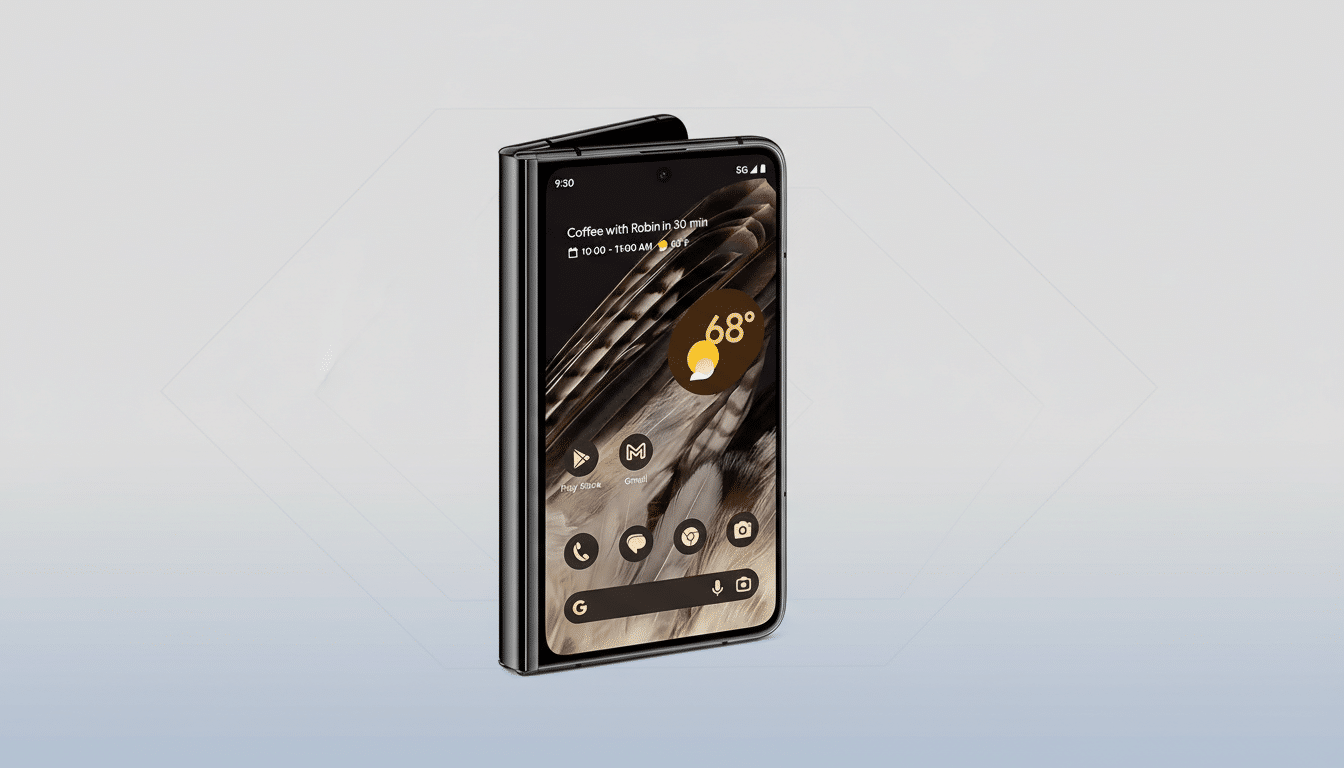
The market is ready, too. IDC and Counterpoint Research both report steady double-digit growth in foldable shipments, with volumes hovering around the mid-teens of millions and trending toward the 20‑million range. Clamshells have led unit share, but book-style devices drive higher engagement in productivity and entertainment — areas where a wider canvas shines.
Early Signs of a Comeback for Wider Book-Style Devices
Industry chatter points to at least one major Android vendor testing a wider Galaxy Z Fold variant, a notable reversal after years of squarer designs. Supply chain analysts have also hinted that Apple is exploring a wider foldable iPhone concept, a move that would validate the format overnight and put fresh pressure on Android OEMs to push beyond safe aspect ratios.
Crucially, the biggest UX blocker is gone. With one-tap full-screen overrides and stricter resizability rules coming into force, unoptimized apps can no longer dictate industrial design. That frees manufacturers to chase better ergonomics, bigger batteries, smarter hinge geometries, and reduced crease visibility without contorting screens around legacy software limits.
What to Watch Next for Android Foldables and Apps
Expect three near-term shifts.
- First, a drop in letterboxed sessions as Android remembers per-app overrides and developers adopt responsive scaffolding by default.
- Second, more competent multitasking: window snapping, drag-and-drop, and persistent taskbars tuned for landscape.
- Third, Play Store signaling that rewards large-screen quality — a quiet but powerful lever to move the top charts.
The bottom line is paradoxical but true. Android’s well-intended protections kneecapped wide foldables by elevating letterboxing and indulging opt-outs. Now, the same platform is resurrecting them with user control, developer mandates, and better large-screen primitives. If the hardware rumors bear out, the next wave of book-style foldables won’t be fighting the OS — they’ll be showing off what it finally enables.
