


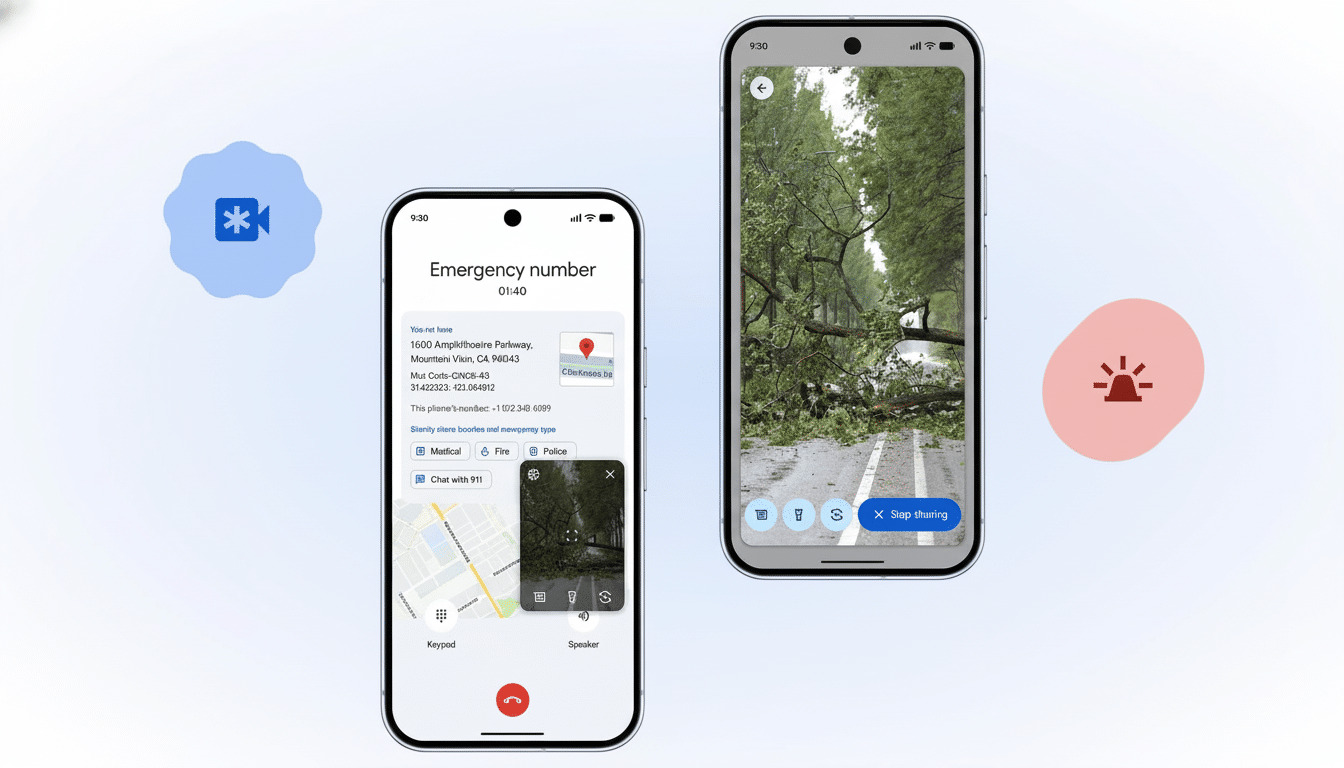
Android users can now send live video to 911 dispatchers, providing first responders with a real-time view of emergencies in the moments before they arrive. The latest feature is called Emergency Live Video, and it enables a dispatcher to tap into a secure live video stream during a call or text message, providing important context when every second matters.
Google says that the feed is an opt-in service and end-to-end encrypted, and that it’s working with public safety partners to expand the feature to additional venues. It is beginning to roll out in the U.S. as well as certain parts of Germany and Mexico on mobile devices with Android 8 or later and Google Play services enabled.
- How Emergency Live Video works during 911 calls
- Why Live Video Might Overhaul 911 Response
- Privacy safeguards and consent for using live video
- Availability and requirements for Android emergency video
- How it fits into the 911 technology shift on Android
- Practical tips for callers using emergency live video
How Emergency Live Video works during 911 calls
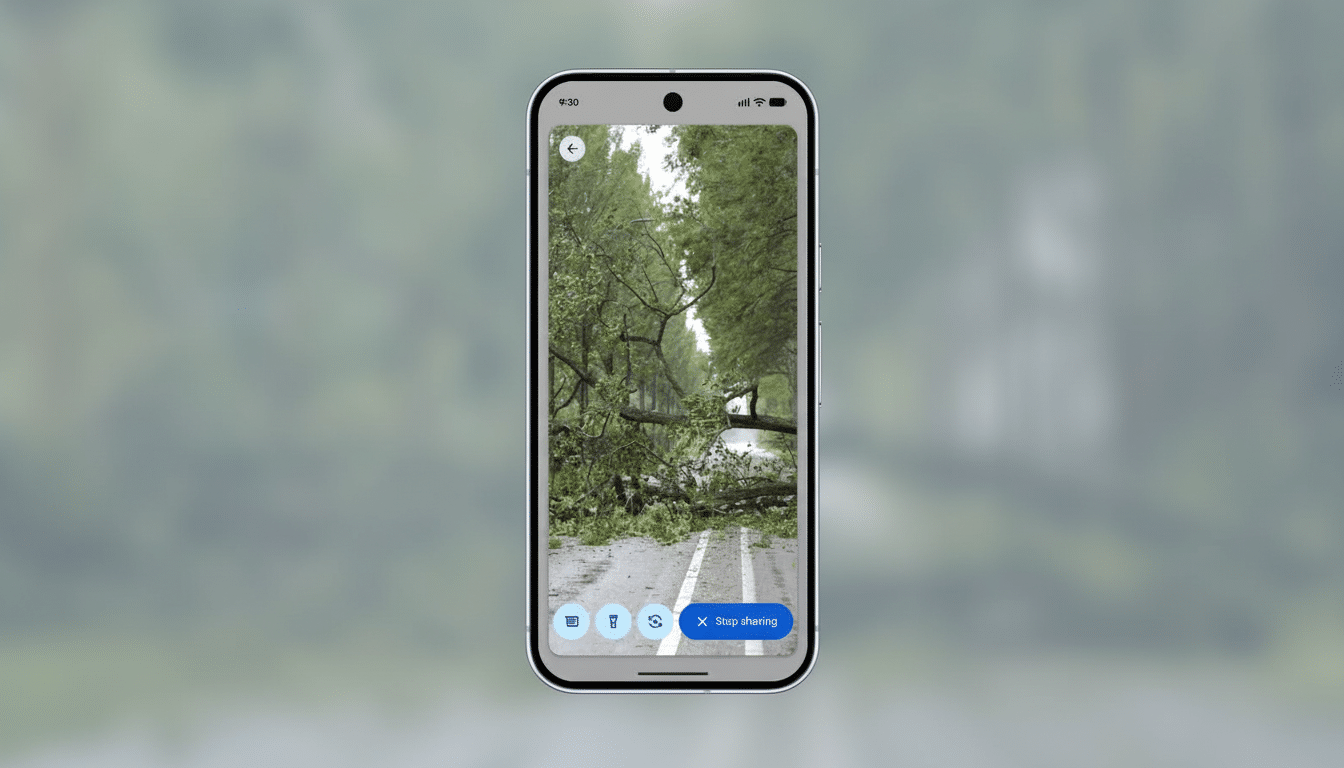
During an emergency call or text, a dispatcher can invite the caller to begin a live video session. The caller gets a one-tap request on the Android device, and if that person agrees, what appears is the phone’s immediate stream of video to the 911 center.
“The idea is to enhance situational awareness.” (“Stop performing chest compressions” is one example.) Right now, a dispatcher can see the aftermath of a car crash unfolding, or the setting for a medical emergency, or dangers nearby, and then use that visual input to customize instructions like guiding an onsite bystander through chest compressions or helping someone escape.
It joins existing emergency tools on Android, which include Crash Detection and Emergency SOS as well as satellite-assisted features if you have them. It brings visual context to voice, text and location data already received at 911 centers.
Why Live Video Might Overhaul 911 Response
America’s 911 centers receive approximately 240 million calls per year, the National Emergency Number Association said, and an estimated 80 percent of those calls come from wireless phones. So smartphone-native tools are a natural next step for public safety.
Visual data aids dispatchers in triage: Is smoke showing or is it steam? How severe are the injuries? Any weapons or traffic hazards? The responses dictate which crews should be sent, how many units are required and what pre-arrival explanations are provided.
Imagine a nighttime multivehicle accident. Live feeds could inform the number of victims, alert to a fuel spill or indicate blocked lanes, helping first responders work faster — which may shave precious minutes off their response times by deploying firefighters, paramedics and law enforcement more accurately.
Privacy safeguards and consent for using live video
Google says Emergency Live Video is end-to-end encrypted and requires the caller’s explicit consent before streaming starts. The stream can be closed by the caller at any time, and it is up to a dispatcher whether they want to use that capability or not.
The way data is treated may differ between agencies. Public safety agencies generally have rigorous retention and evidence rules, many of which are in the process of being updated for Next Generation 911 to include multimedia. Users should be mindful that if video is shared during an emergency it may be added to an incident record in accordance with the relevant agencies’ policies.
Availability and requirements for Android emergency video
Emergency Live Video is starting to launch across the U.S., initially in select areas of Germany and Mexico. Since 911 is local infrastructure, the answer to this question depends upon whether or not the receiving public safety answering point has the capacity to receive and view video.
Callers must also have an Android device running version 8 or higher with Google Play services installed on it to use the feature. Carrier coverage and regional public safety network types can also affect accessibility.
How it fits into the 911 technology shift on Android
The FCC has been a big booster of the IP-based Next Generation 911 that would allow for text, pictures and video to be routed to public service answering points, as well as more precise location detection. Many 911 centers already extend the ability through partners like RapidSOS, Prepared or Carbyne, which enable web video links. The native Android option, however, is less frictionless since it requires that the prompt be hewn directly into the phone’s emergency workflow.
Android is also capable of Emergency Location Service and Advanced Mobile Location in many areas, both of which provide a more accurate location during a 911 call.
In concert with live video, such signals could assist first responders in locating the scene and give them an idea of what they’re about to walk into when they get there.
Practical tips for callers using emergency live video
Safety comes first. If a dispatcher asks for video, take it only when you can safely hold or position the phone. Pay attention to instructions, stabilize the camera and don’t place yourself at risk while taking any footage.
If you can’t speak — due to injury, noise in the background or danger — video can communicate useful information nonverbally. Just as well, in sensitive situations, it’s OK to say no — dispatchers can still collect what they need by voice or text and get help.
And as more agencies take on the capability, live video might be a regular feature of emergency calls. For now, its availability will vary by location, but the trend makes sense: real-time visuals are becoming a key tool in modern emergency response.
