


Google’s upcoming Android Auto revamp seems to be getting a step closer to release, as native Google Cast support is already being tested in the app. Presumably, this will allow users to easily beam media from their phone to their car display.
This was spotted in the upcoming Android Auto v15.9.6551, where newly found lines mention “Cast” states and Wi‑Fi dependencies. 9to5Google’s code sleuths were first to be tipped off to the references, which indicate Google is laying the groundwork for an easier-to-use way of sharing media in your car.
- What the code reveals about Google Cast in Android Auto
- Why casting support is important for in-car experiences
- How Google Cast support might work in practice in cars
- Safety and compliance considerations for in-car Google Cast
- What Google Cast support means for users and automakers
- What to watch next as Google Cast testing expands in Android Auto
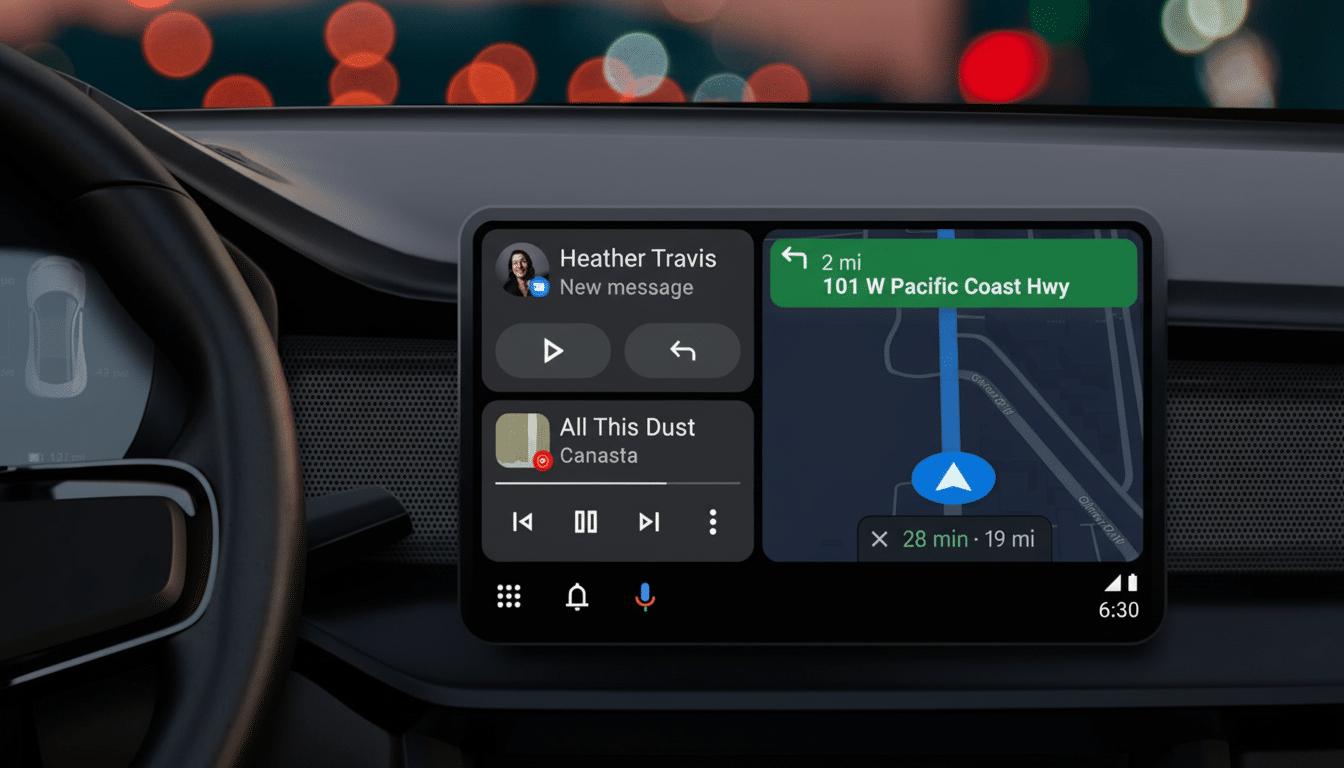
Should it ship, Cast for Android Auto would bring the projection platform more in line with Android Automotive, Google’s integral infotainment system, which has already begun rolling out casting features to select vehicles with Google built-in. It also meshes with a push that Google previously teased on video playback in parked cars.
What the code reveals about Google Cast in Android Auto
The most recent build includes strings connected to Android’s Media Router framework, which explicitly reference “Google Cast,” as well as describe anticipated button states such as Connected, Connecting to, and Disconnected from.
In addition, there’s an obvious Wi‑Fi request (for both “this car” and “this phone”), which appears to point clearly at a Cast receiver arrangement where both devices need to be on the same network.
Other minor but expressed details include a Material 3 expressive-style wavy progress bar. Even if just for show, a dynamic progress animation would appear at home with the Cast connection flow to make it clear when Android Auto is searching or doing some type of handshaking with a Cast target.
Why casting support is important for in-car experiences
Android Auto, like Apple’s CarPlay before it, is essentially a projection system: the phone runs the experience and plays back through your car’s screen. Google Cast being another content source could open a second (and more agnostic) lane for media, so we don’t spend forever knowing half your players feel about as useful when parked as video, podcast-with-picture, or shared playlists do right now.
It also would provide parity with Android Automotive, which has been leaning into richer media experiences including casting from Google built-in in a few select models. Google previously said it would bring in-car casting to vehicles from early partners like Rivian, with more automakers following suit over time.
How Google Cast support might work in practice in cars
There are a few apparent realizations. The car head unit could be a regular Cast receiver on the vehicle’s Wi‑Fi hotspot, allowing any approved phone in the cabin to throw media to the big screen. As an alternative, the Android Auto host phone could provide a casting path to the car display like it does today, making transitions between in-phone sessions and in-car content seamless.
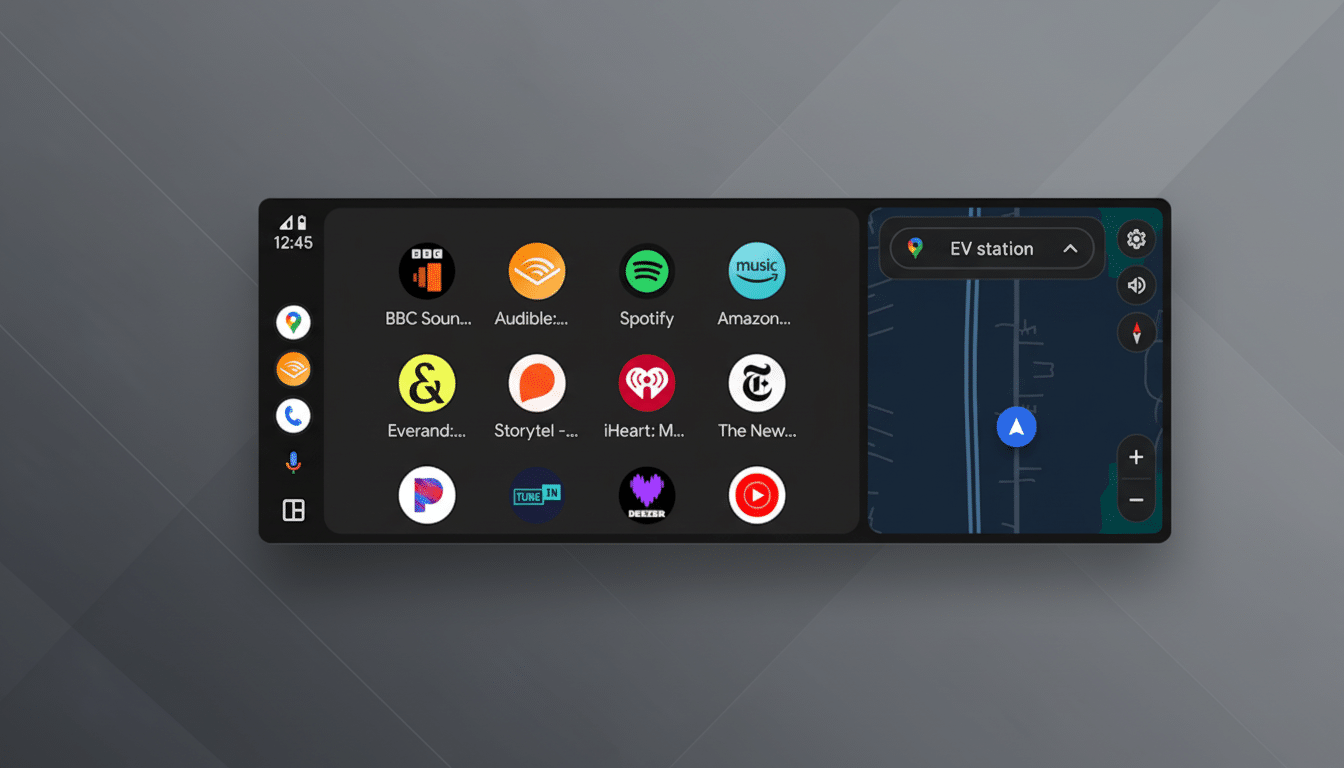
The twin Wi‑Fi notices in the strings are noteworthy, as Android Auto typically connects through USB or peer-to-peer wireless. The shared network hint suggests that Google doesn’t want just a one-time tunnel; it wants predictable home-like Cast behavior — and that will likely help with app compatibility and DRM when dealing with video as well.
Safety and compliance considerations for in-car Google Cast
Any in-car media must comply with safety regulations and automaker guidelines. Since the vast majority of manufacturers lock out video playback unless the car is parked, and Google has long framed in-car video as a fixed-position entertainment experience, expect analogous guardrails here, with Cast sessions being restricted or even paused automatically when the car is moving.
The safety backdrop isn’t speculative: distraction-related crashes killed more than 3,300 people in 2022, according to the National Highway Traffic Safety Administration. AAA also has found that cognitive distraction can linger even after a motorist finishes interacting with in-car systems. Tight integration with drive-state signals and passenger mode controls will be critical if Cast comes to town.
What Google Cast support means for users and automakers
For drivers and passengers, Cast might mean that you never need to have bespoke in-car apps — if your favorite media source supports Google Cast, then it should work on the car with little hassle. Passengers could lead the way with entertainment, while drivers get a cleaner transfer from phone session to dashboard when they park.
For automakers, Cast is appealing because it shifts UI complexity to the phone, ensures up-to-date content, and instantly expands the catalog. It also adds competitive pressure: Apple has been working on AirPlay in car mode with a few partners, and an experience as smooth as Cast while used with Android Auto would help keep Android users on par.
What to watch next as Google Cast testing expands in Android Auto
Cast for Android Auto has not yet been announced by Google, and feature flags could prevent it from being enabled quite yet. Look for updates to documentation coming from Google’s Android for Cars team, early sightings among beta testers, and automaker announcements that reference Cast-ready infotainment hardware.
If Google decides to launch this, we could see a staggered release beginning with parked video and audio casting on Android Auto, with more features coming later like multi-user support, improved support for DRM content, and deeper integration within the Android Auto UI. The code clues suggest the dominoes are a-tumblin’ — leaving only the question of when Google will throw the switch.
