


Android 17 Beta 1 quietly swaps the Pixel Launcher’s familiar search field for the actual Google Search widget, and a hidden setting hints at something bigger—eventually letting users pick a different search provider for that spot on the home screen.
The change isn’t cosmetic. It alters how search on Pixel’s home screen is delivered, how it can be customized, and potentially how defaults are governed amid intensifying antitrust scrutiny worldwide.
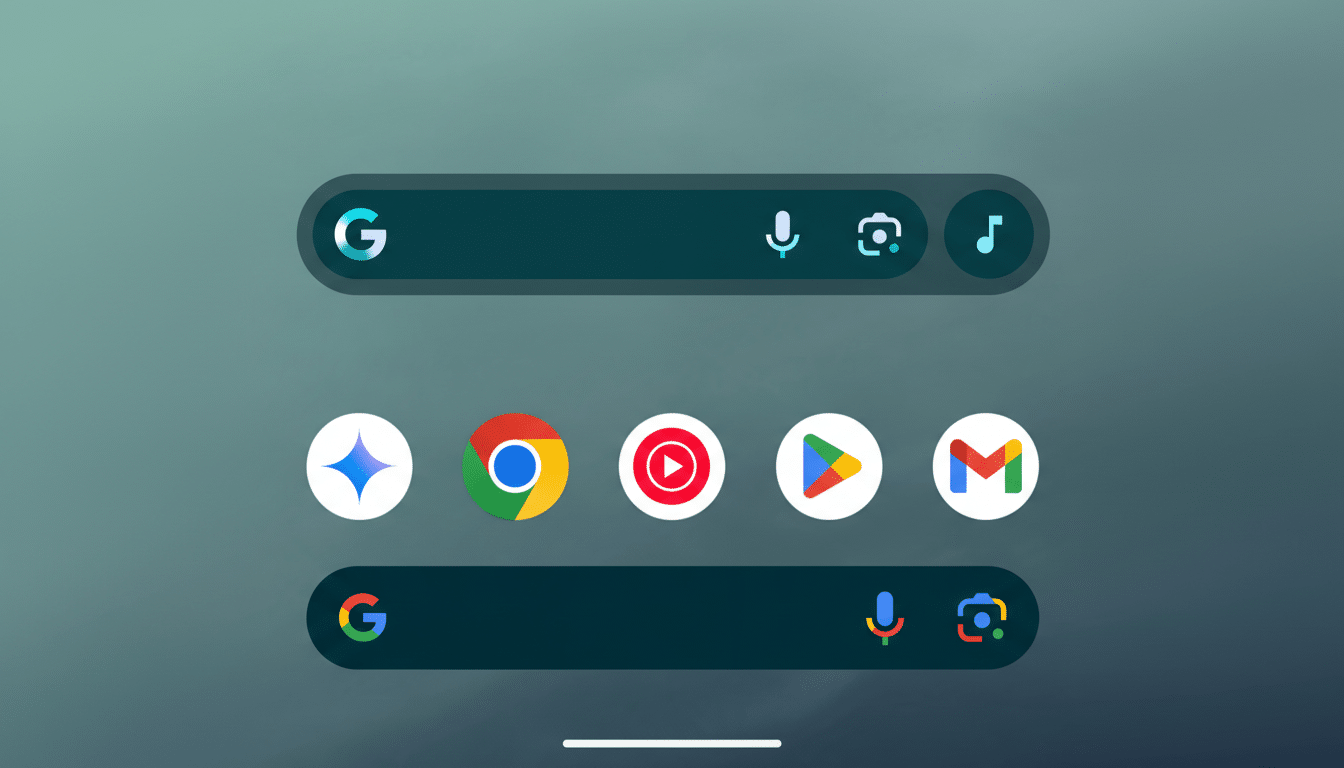
What Changed in the Pixel Launcher’s Home Search
Developers examining the beta confirm the Pixel Launcher search bar is no longer a bespoke launcher element—it’s the Google widget itself. That means long-press behavior, settings, and feature rollout cadence now align with the Google app’s widget, not a Pixel-only implementation.
If you prefer the old look, there’s a catch: previously known methods to revert no longer work in this beta. On the upside, the widget adds flexible shortcuts—like the AI Mode toggle—that you can change by long-pressing, opening Widget settings, and selecting a different action.
Hidden Choice For Home Screen Search Providers
App developer Kieron Quinn reports discovering an unpublished Search settings menu tied to the widget, exposing a provider picker for the home screen search box. In testing, options like DuckDuckGo, Mozilla Firefox, Chrome, Pixel Search, and even Google Maps could be surfaced as selectable providers.
There’s a technical wrinkle: any app appears to be eligible so long as its first widget doesn’t force a configuration screen before it can be placed. That makes this more than a token toggle—it’s a system that could open real choice, beyond web search, to specialized search experiences.
The same setting also governs the “minus one” panel to the left of the main home screen, historically reserved for the Google Discover feed. For now, only the Google app is approved to populate that space, but the presence of a selector suggests the door is at least ajar.
Why This Shift to a Google Widget on Pixel Matters
Default placements on mobile are powerful. According to StatCounter, Google controls roughly 91% of global search share on mobile, while privacy-oriented alternatives like DuckDuckGo sit near 1%. Regulatory bodies argue that defaults entrench incumbents by steering behavior before users make an active choice.
In the European Union, the Digital Markets Act requires large platforms to support easy switching of defaults and to avoid self-preferencing. The U.S. Department of Justice has also emphasized the competitive impact of default search deals in its antitrust case against Google. The UK’s Competition and Markets Authority has issued similar guidance around mobile ecosystems and user choice.
Against that backdrop, a provider picker inside the Pixel Launcher’s most prominent surface is notable. Pixel is Google’s flagship hardware; enabling third-party search on its front door would signal that compliance is shaping design, not just policy pages.
What Users Can Expect From the New Pixel Search Bar
If the feature ships broadly, you could set the home screen search to launch a different web engine, route queries to a browser’s omnibox, or invoke on-device search via Pixel Search with more customization than before. That may appeal to users prioritizing privacy, regional results, or specific workflows.
There are trade-offs. Because the widget now comes from the Google app, visual consistency and some animations will track that app’s updates, not the launcher’s. Switching providers could also change how suggestions, voice input, or on-device results appear, depending on each app’s capabilities.
Discover alternatives on the “minus one” screen—think Microsoft Start, SmartNews, or a browser’s feed—would further shift the feel of the Pixel home. Google has not enabled this in the beta, but the shared setting implies it’s technically contemplated.
The Beta Caveat and What Could Change Before Release
As with any beta, features can change or disappear before the stable release. The provider picker is hidden, approvals for the left-hand feed are limited, and Google could gate the capability by region to align with local law.
Still, the direction is clear: the Pixel Launcher’s search bar is becoming a gateway that Google can open to others. Whether this evolves into full user choice everywhere or a region-specific concession will be the storyline to watch as Android 17 moves toward release.
