


Android’s next quarterly platform release is expanding the expressive palette on your phone. New in Android 16 QPR3: complete support for Unicode 17.0’s new emoji, including 163 additions ranging from lofty expressions to things you can actually use. Early testers on Pixel devices can already view and send them, with wider support on the way as the release goes live.
Unicode 17 adds depth and variety to Android emoji
Per Emojipedia and the Unicode Consortium, the 17.0 version of Unicode includes seven new to-be-created emoji wingdings in addition to 156 brand spankin’ new emoji sequences, bringing us up to a grand total of approximately 3,953 different emojis, should we count by skin tone, as we have before. That’s a significant increase compared to the last cycle, which featured just a handful of new designs.
The seven new characters are Distorted Face, Fight Cloud, Hairy Creature, Orca, Landslide, Trombone, and Treasure Chest. The sequences extend common categories: new variants for “ballet dancer” and someone “with bunny ears” add more inclusivity, not to mention context, particularly when you apply gender or skin-tone modifiers.
Almost all of these additions use zero-width joiner (ZWJ) sequences, which are already-encoded emoji that can be linked together to form a single glyph. On devices that have yet to adopt Unicode 17.0, such sequences appear as multiple separate icons, and the new code points may produce empty boxes. In Android 16 QPR3, they also show up properly on system keyboards and apps.
How to try the new emoji on Android 16 QPR3 today
The new emoji show up throughout the system within apps that utilize the platform’s emoji typeface, including Google Messages and Gboard, if you’re running the Android 16 QPR3 beta on a compatible Pixel device. Developers can also preview the set in up-to-date Android Emulator system images from Google tooling. Other Android phones will get the new designs when OEMs ship updates based on QPR3 or incorporate the refreshed emoji font.
App support can vary. Apps with their own emoji sets or custom text renderers should be updated separately. Google’s EmojiCompat (now AndroidX Emoji2) can also assist modern apps in displaying new emoji on older Android versions by dynamically downloading updated fonts, and platform support is included in QPR3 to ensure the same rendering across the system UI.
Why this wave of new emoji in Android 16 QPR3 matters
Emoji form a central stratum of digital language: they are an extension of the alphabet, and different from it as well. They are standardized by the Unicode Consortium so that a message sent on one device looks the same as it does on another, which can prevent misunderstandings when an unsupported emoji is turned into either a blank box or a string of symbols. By using Unicode 17, versions of the characters newly introduced with the latest release should cause fewer cross-platform inconsistencies, as Android users will have immediate parity.
This particular release also represents a change toward breadth through sequences, rather than new base characters altogether. That approach will maintain compatibility while allowing for more customizable combinations, especially for human and activity emoji. And for teams that are creating messaging- or social-based apps, where users exchange reactions to posts or message one another with emoji-filled texts — really all apps, now that I think about it — it’s a reminder to test text input, reaction UI, and analytics pipelines against the expanded emoji catalogue.
Beyond emoji, other notable changes in Android 16 QPR3
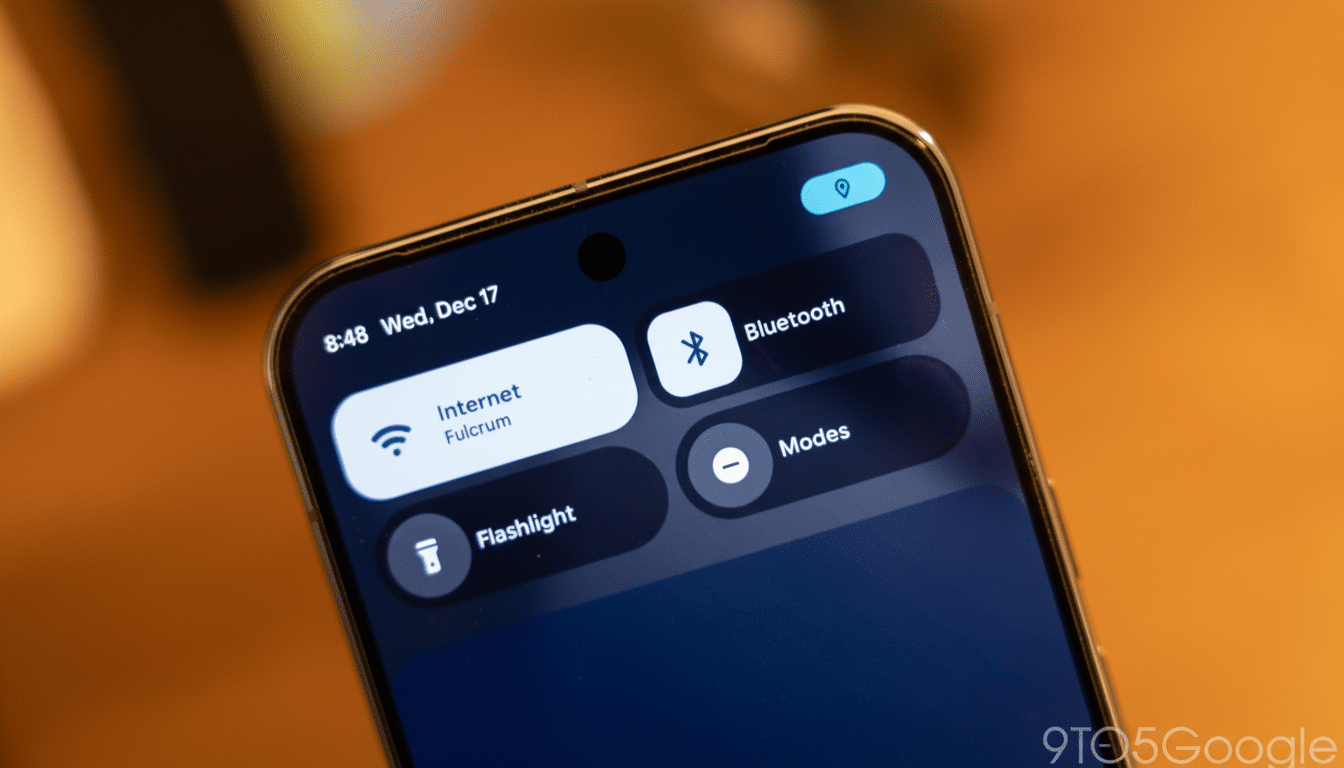
While the big new Unicode 17.0 update is the headlining feature, the QPR3 beta also features some quality-of-life improvements users have been calling for, like customizable flashlight brightness, reordering navigation buttons, and a more informative location indicator. Combined with smaller improvements and that emoji bump, QPR3 ends up being a significant mid-cycle shine for Android 16.
Pros: Android 16 QPR3 introduces the latest worldwide emoji standard to Android, including new characters that offer more representation of people, along with various combinations and seven fresh smiley faces and objects. And if you’re all about the chats, DMs, and group threads, this is a major expansion of your daily vocab — and it’s already live for beta testers.
