


Google Pixel 10 owners are quietly winning with the new Android 16 QPR2 build. Besides all the new features, updated testing on a Pixel 10 Pro XL suggests tangible speed improvements in CPU and GPU tasks, even smoother day-to-day use, and no added heat penalty.
What Our Controlled Before-and-After Tests Show
We ran our regular suite — including Geekbench 6 from Primate Labs for CPU, PCMark Work 3.0 from UL Solutions for system tasks, and 3DMark Wild Life and Wild Life Extreme (also UL Solutions) for graphics testing — in a controlled before-and-after setup on the same Pixel 10 Pro XL. The phone was tested on a recent pre-QPR2 sample and retested following an update to Android 16 QPR2.
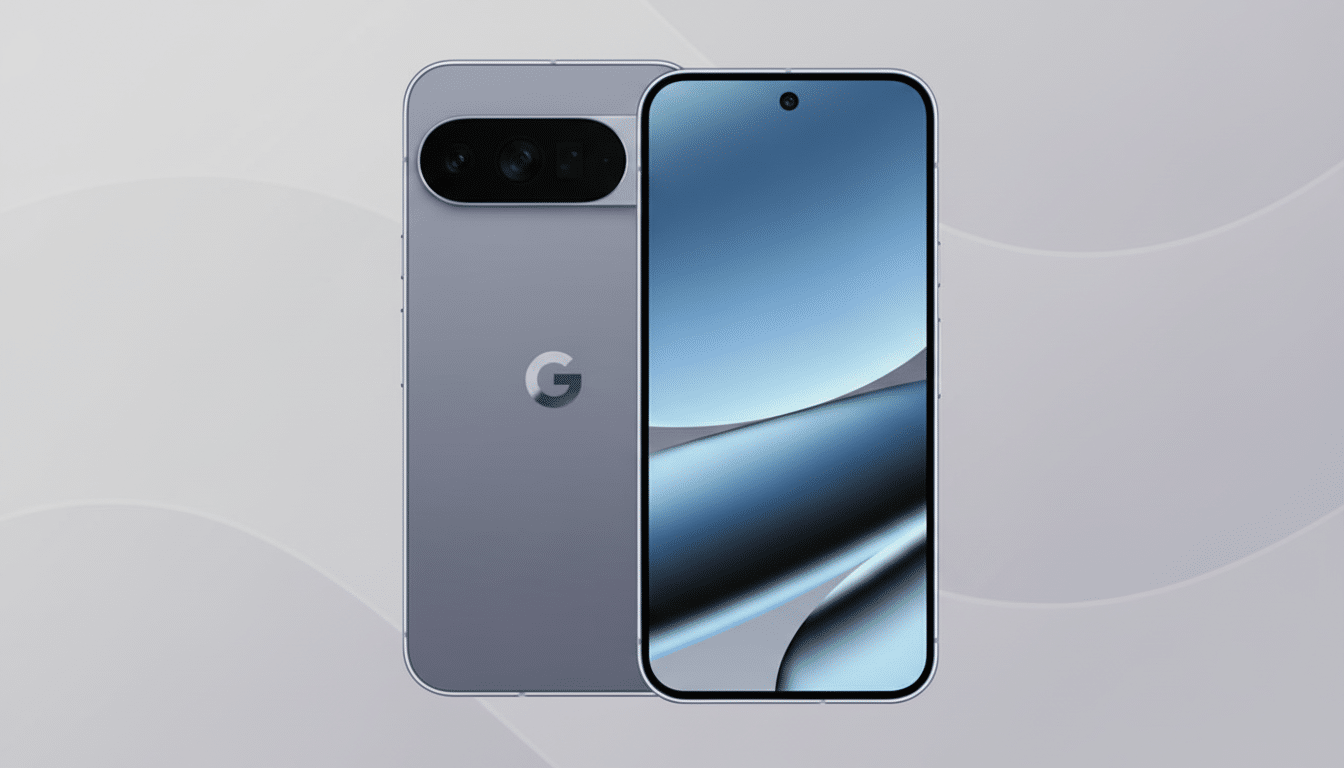
The short version: CPU scores inched higher, system-level benchmarks leapt more noticeably, and GPU numbers rose somewhat less dramatically.
As importantly, the sustained performance seemed more consistent, implying I/O tuning that helps the Tensor G5 maintain its stride longer.
CPU and system benchmark gains under Android 16 QPR2
Geekbench 6 shows a mild CPU bump: around a single-digit percentage increase in both single-core and multi-core when looping a number of runs. The single-core number is right near the margin-of-error territory, but the multi-core result suggests genuine improvement here. This is in line with the notion that QPR2 locks down scheduling and background activity rather than freeing up a silo of raw power.
That is less bad with PCMark Work 3.0, which sees a 19.6% upswing across various tasks like web browsing, photo editing, and document handling. There was a little bit of variance (likely depending on early Pixel 10 units), so some devices won’t report the same number. Even so, the better PCMark score suggests that Android 16 tweaks (i.e., ART and memory management) are making it easier for the phone to reach its peak performance level within a real-world app flow.
GPU and gaming impact in 3DMark and real play
Graphics tests using 3DMark’s Vulkan-based Wild Life indicate that the iGPU is at most near 5 percent faster, and Wild Life Extreme could scale closer to ~7 percent. In the aggregate, call it a humble ~6% bump. The larger win might be more sustained behavior during stress loops, which could add up to greater stability or fewer frame-time spikes in demanding games and emulators.
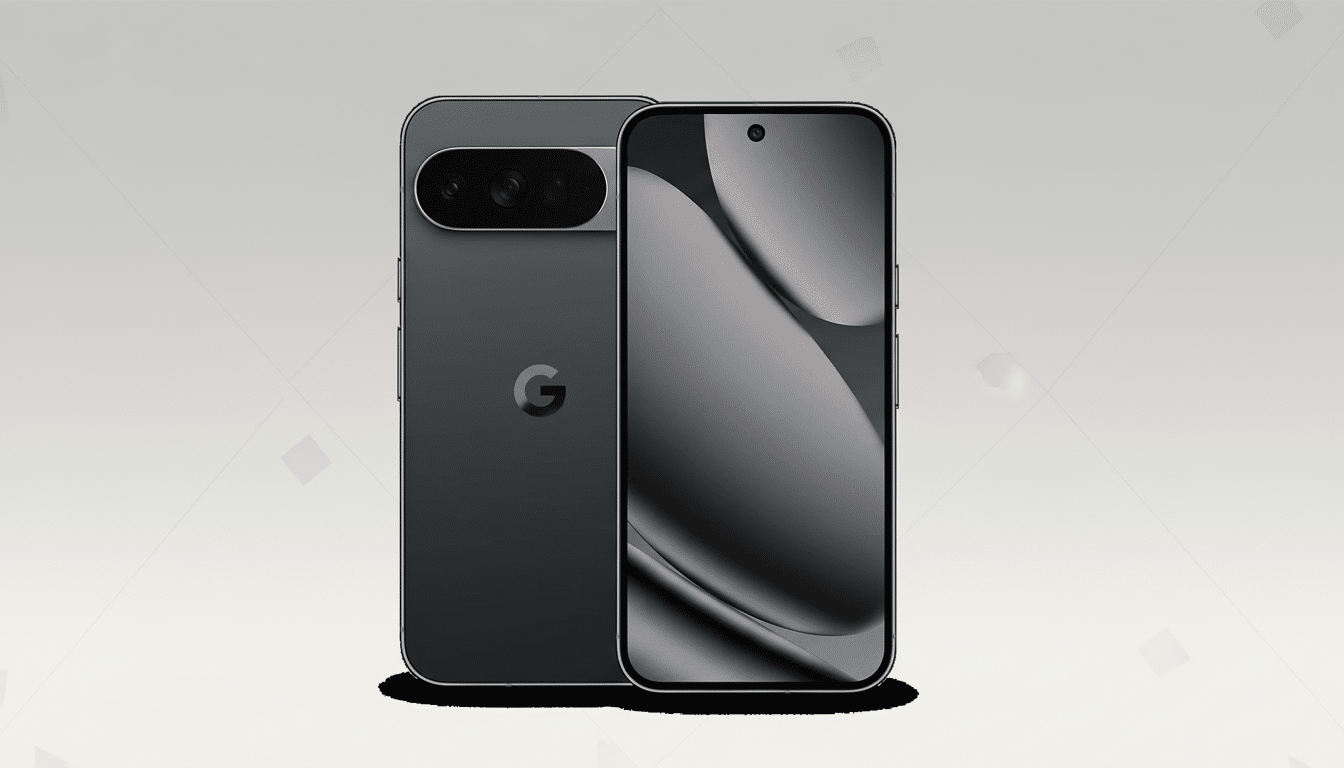
Notably, these improvements didn’t come with an increase in surface temperatures or any signs of throttling out of the ordinary. Although Google did not talk about a new GPU driver, possible tuning in the graphics stack or scheduler might account for this better result. Some also report larger leaps in OpenGL workloads; we tested with Vulkan, and those anecdotal OpenGL gains bear confirmation.
Why Android 16 QPR2 Would Feel Faster on Pixel 10
Quarterly Platform Releases tend to fold in a number of under-the-hood fixes that don’t merit flashy headlines — tackling quirky scheduler behavior, firming up background limits, or sprucing up memory reclamation. The data seem to indicate that’s what’s happening here. Even if the peak of peaks hasn’t skyrocketed, fewer dips and less deviation can make phones feel more lively: Apps pop open a beat faster, animations hiccup less often, long sessions remain smoother.
It’s also possible that the first waves of these performance increases were rolling out in an earlier patch that preceded QPR2, with this new build only nudging more people to update. Either way, the trendline is in favor of the Pixel 10 family: it’s generally more performant now and its experience is easier to predict.
What to watch next for Pixel 10 performance updates
Two areas merit continued attention. First up, GPU drivers: we could see a bigger jump in graphics if Google releases updated drivers later as part of a new platform or firmware release, making for better emulation performance (a sore spot for prior Pixels). Second, API-specific behavior: Vulkan is getting better, but claims of larger OpenGL gains should be retested widely to check that they’re not being won at the expense of individual devices or scenarios.
The takeaway is straightforward. Android 16 QPR2 isn’t going to instantly transform the Pixel 10 into a gaming monster, but it will give you a faster and more stable device where it matters. For most users, that means less jank, slightly higher peak frame rates, and a generally snappier phone — that’s already aside from the features this release brings.
