


When I entered a side-by-side camera test with Google’s Pixel 10 Pro and the two-year-old Pixel 8 Pro, that was certainly what I expected. As I discovered, it is more nuanced. The 10 Pro is better, frequently by a noticeable margin, but the gap is not as wide as the spec sheets would indicate — and the areas where it wins might surprise some.
How I tested and what actually changed for both phones
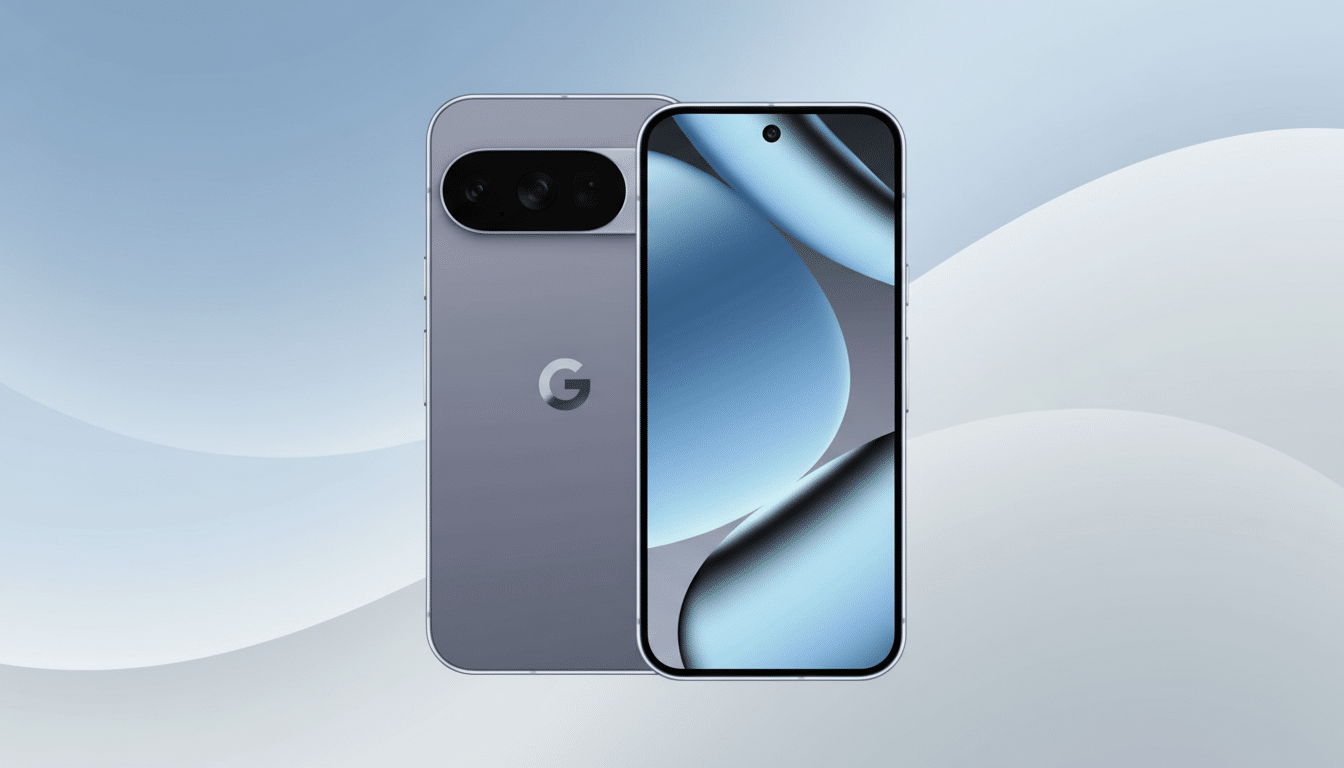
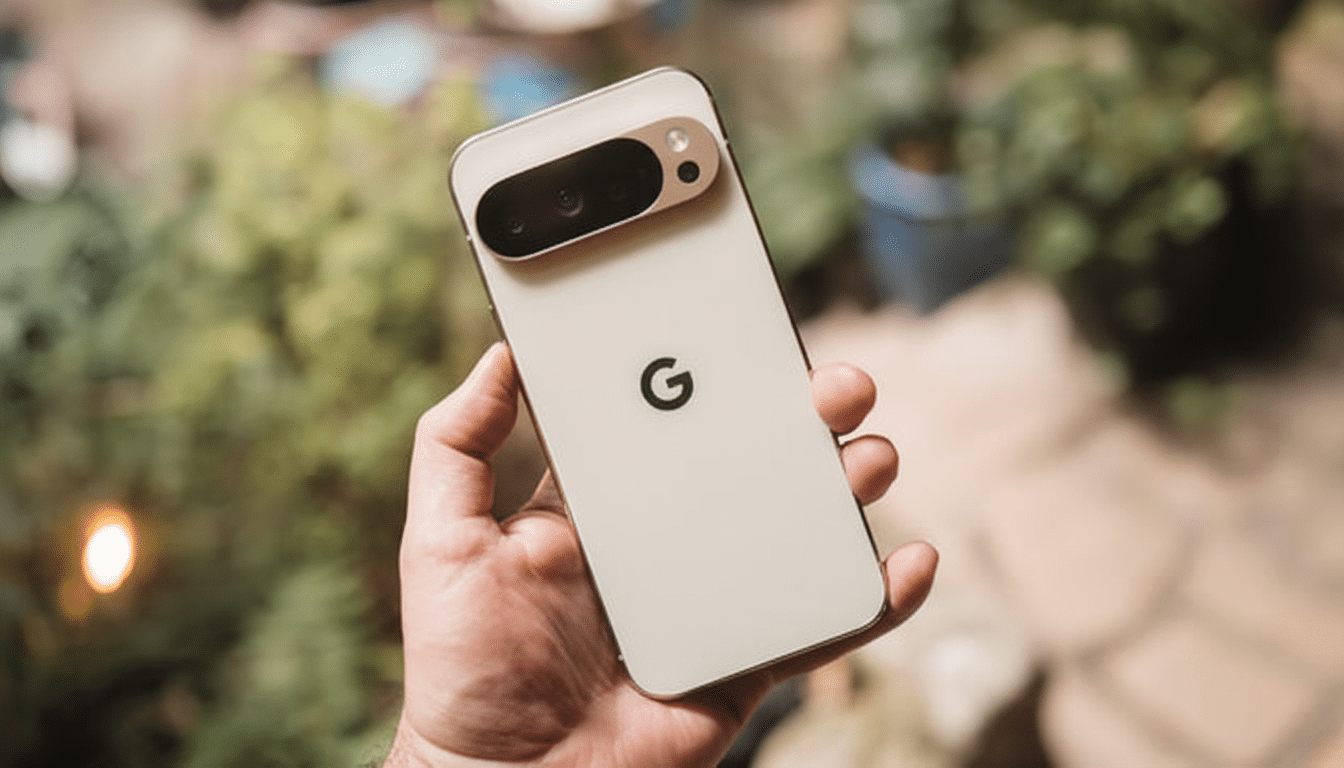
The main lenses are the same, so 1x shots should be a wash. The devil is in the details beyond that default composition, though: a 5x telephoto with optical image stabilization on the 10 Pro, a slightly faster and slightly narrower ultra-wide lens, and a much higher-resolution selfie camera (42MP vs the 8 Pro’s 10.5MP). Google also stretches its AI legs for longer zoom with Pro Res Zoom on the 10 Pro.
- How I tested and what actually changed for both phones
- Main camera 1x and 2x tiny gains not big leaps
- Portrait mode still has trouble with edges
- Telephoto 5x to 10x stability changes the game
- Ultra-wide and selfie specs yield similar results
- Long zoom and AI, the wild card called Pro Res Zoom
- Bottom line: should 8 Pro owners upgrade for the camera
Main camera 1x and 2x tiny gains not big leaps
At 1x, the images are almost identical. Both produce nice foliage, good dynamic range, and reasonable highlights in midday sun. If you held two prints in front of me with their labels hidden, I’d bet that I wouldn’t be able to guess which one came from which of the phones.
Color science is the initial true separator. The 10 Pro shifts the white balance a little warmer, a move that makes reds and yellows come alive without nuking neutrality. In textured scenes — painted facades, brick, sunlight on wood — the 8 Pro’s cooler palette can appear a hint desaturated alongside the 10 Pro’s warmer hues.
At 2x, again on the main sensor, the 10 Pro does a better job of retaining color in shadow. Deep maroons stay maroon rather than sagging closer to black, and you can glance into shadowed corners the 8 Pro crushes. That’s processing, not optics: polished tone mapping and sharper shadow recovery rather than a whole new sensor.
Portrait mode still has trouble with edges
Both phones fail at subject detection in portrait mode without a manual tap. Palms, fronds, and fine edges continue to trip up the segmentation mask. The 10 Pro delays less often in finding the subject, and it applies a creamier blur as a result, but edge fidelity on complicated subjects is still a work-in-progress situation — which is an industry-wide reality as any computational photography researcher will tell you.
Telephoto 5x to 10x stability changes the game
Behind the 5x button sits the biggest optical upgrade for the 10 Pro: OIS on the telephoto. In practice, that translates to cleaner micro-contrast and more legible textures — fabric on street fixtures, leaf venation, brick facade mortar — especially in low light or as your hands wobble. OIS typically nets you about a couple of stops of real-world stability, so that’s what you start out with.
Color holds up better too. At 10x, greens and yellows hold true instead of shifting toward a cooler wash; acutance — the visual sharpness driven by processing as much as optics — nudges up with the 10 Pro, making far-off subjects look less loosey-goosey without the crunchy over-sharpening that plagued early digital zooms.
Ultra-wide and selfie specs yield similar results
The 10 Pro’s ultra-wide is a tick speedier and narrower, but its output is nearly a dead heat with the 8 Pro. Color balance is excellent, distortion correction looks familiar, and corner detail looks similar. Living in the 0.5x world is brilliant for sweeping interiors or a sky-filled landscape; there are no night-and-day moments here either.
The selfie story mirrors that. The 10 Pro’s 42MP sensor looks impressive on paper, and the enhanced field of view is useful for taking group selfies, but both phones capture similarly clean, natural selfies through effective post-processing and autofocus. Resolution isn’t the bottleneck when shooting at arm’s length; skin tone handling and focus are, and both phones handle those admirably.
Long zoom and AI, the wild card called Pro Res Zoom
Push past 10x and the gap widens, featuring Pro Res Zoom, which leverages AI upscaling to reconstruct fine detail from 20x through to around 30x. Signs become readable again, window frames resolve better, and moiré is kept at bay.
Purists will sniff — the image is computationally shaped — but for a travel, events, or wildlife lens, it delivers shockingly usable shots you wouldn’t share from the 8 Pro at such ranges.
That is in line with the overall smartphone trend. Independent test labs such as DxOMark have also demonstrated smaller year-over-year deltas at the base focal lengths as sensors and optics hit a wall, with gains coming now mainly from stabilization, color pipelines, and AI-assisted zoom. Google Research’s continued development of Real Tone and HDR pipelines is another reason color and dynamic range feel mature versus revolutionary.
Bottom line: should 8 Pro owners upgrade for the camera
If you’re shooting mainly at 1x and 2x, the 8 Pro is still a beast and its warmer settings can offer something approaching the 10 Pro’s look with some fast white balance adjustments. If you care more about steadier 5x to 10x telephoto shots and legitimately usable 30x AI zoom than anything else, then the 10 Pro gets its edge. It also provides slightly better exposure and more consistent subject recognition in portrait mode, though edge handling is still not perfect.
I thought the 10 Pro would wipe the floor with the 8 Pro in all areas. Instead, it won out on precision, color confidence, and reach — less a knockout than a judge’s decision. And for many, that’s just not reason enough to switch. For telephoto lovers and long-zoom explorers, it probably is.
