


Fresh images and an official teaser have thrust the Pixel 10a into the spotlight, but the loudest chatter isn’t about battery life, cameras, or software support. It’s about bezels. The uproar makes for great engagement, yet it misses the part that actually matters to most buyers: what the phone does, not how close the pixels sit to the frame.
What Thicker Bezels Actually Mean for the Pixel 10a
Bezels are not an aesthetic accident; they’re an engineering decision. Display Supply Chain Consultants has documented that shaving millimeters off the border typically requires pricier panel stacking, chip-on-film packaging, tighter tolerances, and more challenging lamination. That drives up costs and can hurt yields. On a budget-focused device, a slightly wider perimeter can be the difference between funding a brighter panel, better speakers, or longer software support.
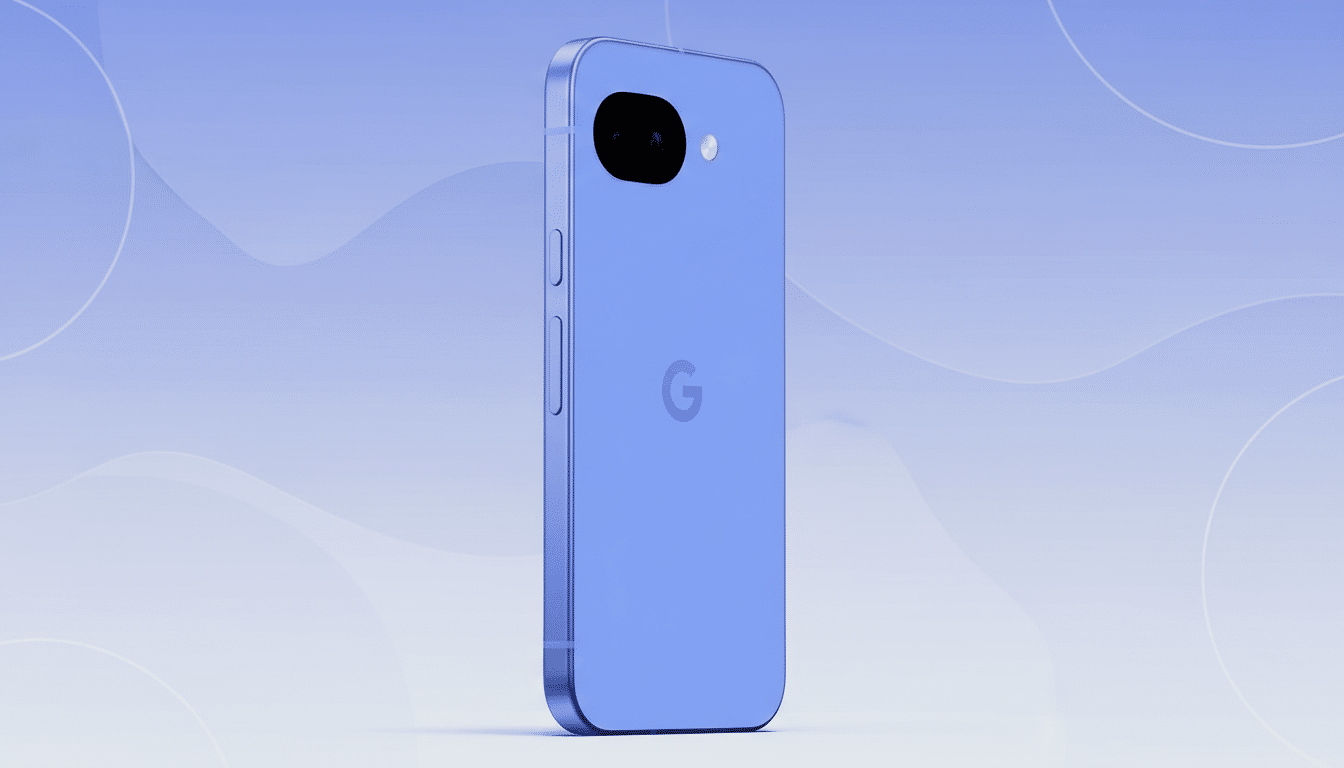
There are ergonomic upsides, too. A modest frame helps reduce accidental touches, creates a more consistent surface for screen protectors, and can marginally improve durability at the corners. Repair experts like iFixit have long noted that near edge-to-edge glass raises break risk and replacement costs. Symmetry also matters: uniform bezels look cleaner than a razor-thin top and a chunky chin, even if the absolute measurement isn’t the smallest in class.
Look at the Numbers, Not the Noise in the Pixel 10a Debate
If we zoom out, bezels are a small slice of the user experience. Counterpoint Research has repeatedly ranked battery life, camera quality, performance, and price among the top purchase drivers for midrange phones. J.D. Power’s smartphone satisfaction findings echo the same priorities. A bezel rant rarely appears on those lists.
Even on the spec sheet, context helps. Midrange phones typically land around an 84–88% screen-to-body ratio, while premium models can exceed 90%. That gap is visible when you hold devices side by side, but it’s far less consequential when you’re streaming a show, swiping through messages, or snapping photos. On video playback, the letterboxing from 16:9 content often dwarfs the physical border anyway.
Real Use Is Not a Bezel Chart: Day-to-Day Experience Matters
Anyone who lived with the previous A-series knows the drill: you notice the borders the first day, then your brain filters them out. Day-to-day comfort, touch responsiveness, and outdoor visibility decide whether a screen feels good, not a caliper measurement. A balanced flat panel with stable color and high PWM frequency is more meaningful for eyestrain and usability than clipping another millimeter off the edge.

If Google chose a slightly thicker frame to maintain uniformity, improve drop resilience, or keep display costs in check while investing elsewhere, that’s a rational trade-off in this tier. And if the 10a repeats some hardware from its predecessor—as several reliable leaks suggest—there’s room for valid critique on areas like charging speed, sustained performance, and camera hardware evolution. Those are substantive conversations worth having.
Where Scrutiny Belongs for the Pixel 10a Value Proposition
Judge the Pixel 10a on the pillars that define its value: Does the Tensor platform deliver stable thermals and competitive AI features? How strong are the primary and ultrawide cameras versus rivals from Samsung, OnePlus, and Motorola in the same bracket? Is peak brightness high enough for midday use? Are speakers, haptics, and IP rating solid at the price? How long is the software support window, and does it include meaningful feature drops?
These factors drive ownership satisfaction long after the unboxing photos are forgotten. They also shape resale value and longevity—areas where Google’s A-series has historically punched above its weight by offering clean software, useful on-device intelligence, and fast security updates.
The Bottom Line on the Bezels and What Really Matters
Yes, the Pixel 10a appears to have chunkier bezels than pricier flagships and some midrange peers. No, that doesn’t doom the phone. It’s a visible compromise with understandable engineering and cost rationale, and one most users will stop noticing after day one. Let’s save the outrage for issues that matter over the life of the device and wait for full reviews to weigh the total package.
