


If you’re on the fence about upgrading, here’s the bottom line: the Pixel 10a delivers enough of the Pixel experience right now to make waiting for the Pixel 11 unnecessary for most buyers. With a $499 sticker, seven years of updates, a 120Hz 6.3-inch display, and Google’s latest on-device AI features, the 10a covers the daily essentials and much of the “wow” factor without the flagship tax.
Value Today Beats Spec Promises Tomorrow
Expect the Pixel 11 to debut at hundreds more than the 10a—recent Pixel flagships have launched in the $799–$999 range depending on model and storage. That puts the likely delta near $300 or more versus the 10a. For a lot of people, that’s money better spent on earbuds, a case, and a few months of service.
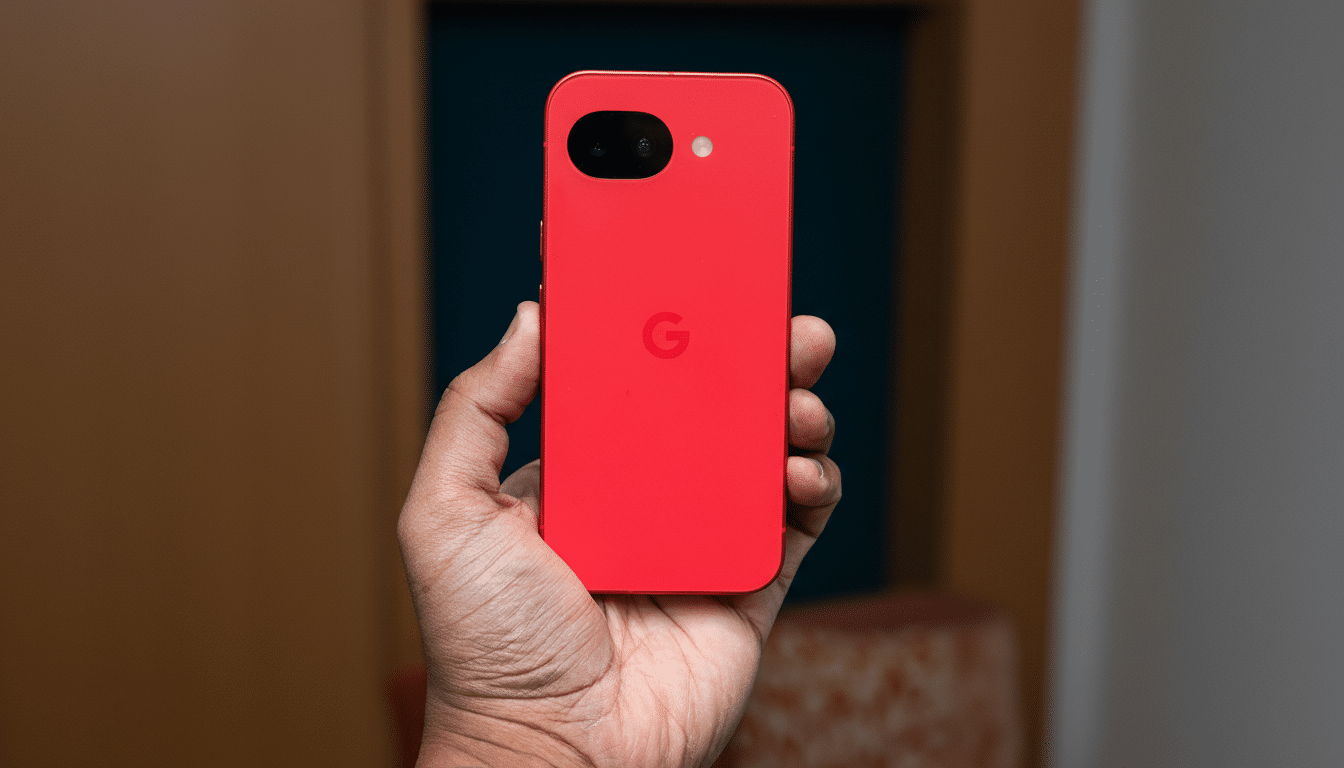
Flagship cycles also favor the patient bargain hunter, not the waiter. Historically, Google’s prior-year flagships see steep promotional drops as new models approach. If you need a phone now, the 10a gets you immediate utility and avoids the “cost of delay” while still locking in long-term software support.
AI And Camera Gains Where They Matter Most
Google’s edge has never been sheer horsepower—it’s software. The Pixel 10a carries core Pixel AI features powered by Tensor G4, plus practical camera tools like Camera Coach and Google’s signature computational photography pipeline. On paper, its dual-camera system mirrors its predecessor—a 48MP main and 13MP ultrawide—but the magic happens after you tap the shutter.
In real-world use, that means reliable skin tones, strong low-light performance, and the kind of point-and-shoot consistency that wins blind comparisons. Reviewers and labs from DXOMARK to independent YouTube testers have repeatedly shown that Google’s processing can let modest camera hardware punch above its weight, especially for social sharing and travel shots.
Yes, the Pixel 11 is expected to add advanced tricks—rumors point to upgraded video features like 4K 30fps Cinematic Blur and more aggressive hybrid zoom. Those are enticing for enthusiasts, but casual shooters will see far more parity than the spec sheets suggest.
Mature Chip Now Beats First-Gen Quirks Later
Tensor G4 inside the 10a is a known quantity with tuned thermals and mature firmware. Early adopters of fresh silicon often encounter teething pains—firmware patches, app optimizations, and heat management refinements typically arrive in the first few months. Buying the 10a means stepping into a stable platform with the AI features already dialed in.
For everyday tasks—maps, messaging, HDR photos, background AI features like summarization or call screening—the difference between G4 and the Pixel 11’s expected next-gen Tensor won’t be transformative. Benchmarks can swing, but perceived speed is dominated by software polish and storage performance, both of which the 10a handles well.
Display Durability And Charging Are Already Solid
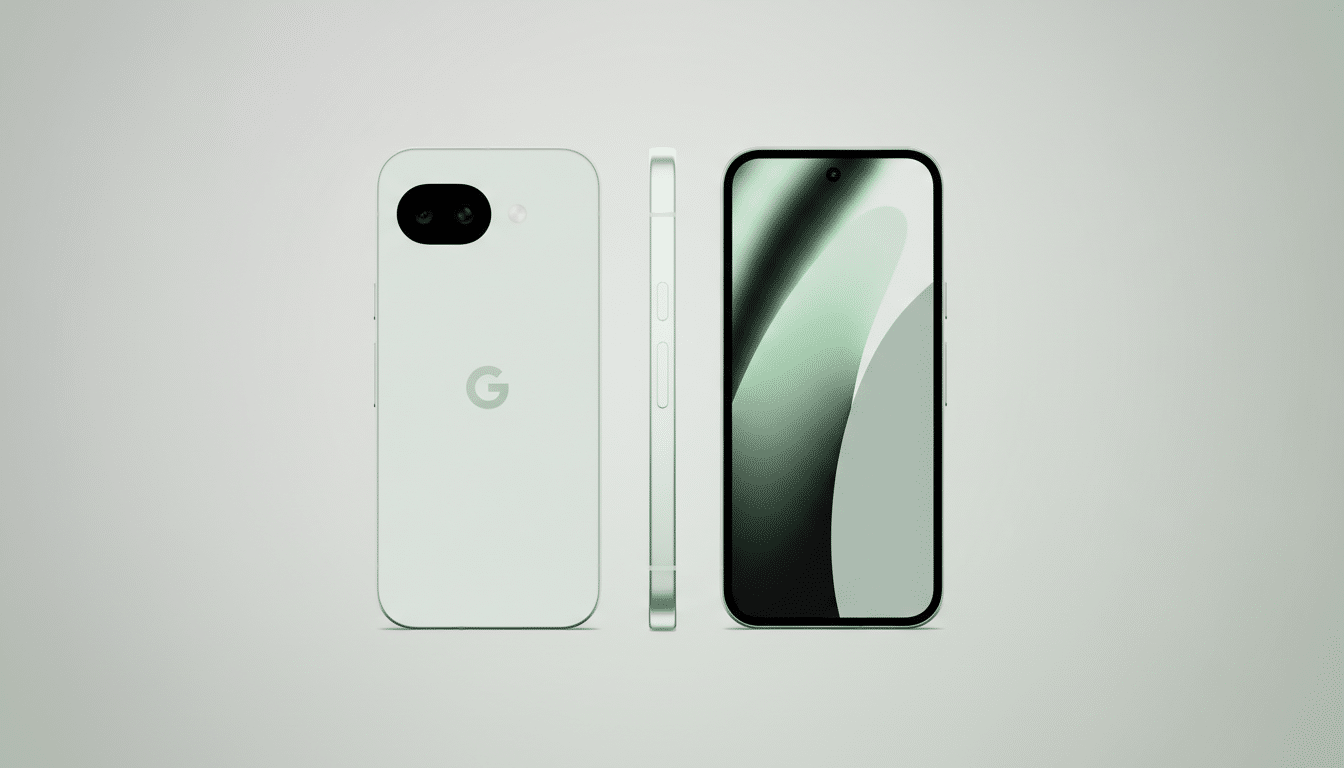
The 10a’s 6.3-inch 120Hz panel is bright and fluid for scrolling and gaming, and Gorilla Glass 7i adds welcome durability. The phone weighs a comfortable 183g with a flatter back that many users will prefer over bulkier camera bars. It supports 30W wired charging and 10W wireless, and while it skips Qi2, these are balanced choices for battery health and convenience.
Safety and connectivity are covered, too. Satellite SOS support brings peace of mind in low-signal areas—a feature classically left for higher tiers. Combined with IP-rated resilience and Pixel’s call features, the 10a behaves like a pragmatic flagship in daily life.
Seven Years Of Updates Changes The Upgrade Math
Google’s commitment to seven years of OS and security updates on the Pixel 10a is the headline spec that doesn’t need a benchmark. Even if the Pixel 11 matches that promise, you’re trading only a few months of end-of-life headroom by buying now. Meanwhile, industry trackers like IDC note that typical replacement cycles exceed three years, meaning most people will switch long before support ends.
Long support also props up resale value. Trade-in services such as SellCell have shown that Android phones with extended update policies depreciate more slowly than peers without them, helping you recover more when you eventually move on.
Who Should Still Wait For Pixel 11 And Why
If you play graphically intense mobile games, edit 4K video on-device, or crave pro-grade zoom and cutting-edge video features, the Pixel 11 is the safer bet. Expect more RAM (likely 12GB standard), a newer Tensor with stronger sustained performance, and camera hardware tuned for enthusiasts. Power users will notice.
For everyone else, the Pixel 10a is the smarter purchase today. It’s the right mix of price, polish, and longevity—the quintessential Pixel experience without overpaying for incremental gains. Buy now, start using it, and let the flagship crowd beta-test the next chip generation.
