


Amazon is introducing a new private-label line, Amazon Grocery, with prices focused on budgets and most everyday items under $5. It consolidates existing in-house brands and moves aggressively into fresh and pantry staples, a gesture that leaves no doubt the company aims to compete on price as well as convenience across online and physical aisles.
What Amazon Grocery Includes across Fresh and Pantry
The new brand consolidates the Amazon Fresh and Happy Belly names into one expanded lineup that includes milk, olive oil, fresh produce, meat, seafood, snacks, and pantry staples. Amazon’s plans for the line include more than 1,000 products spanning categories, with a regular cadence of new items to keep the lineup fresh and seasonal.
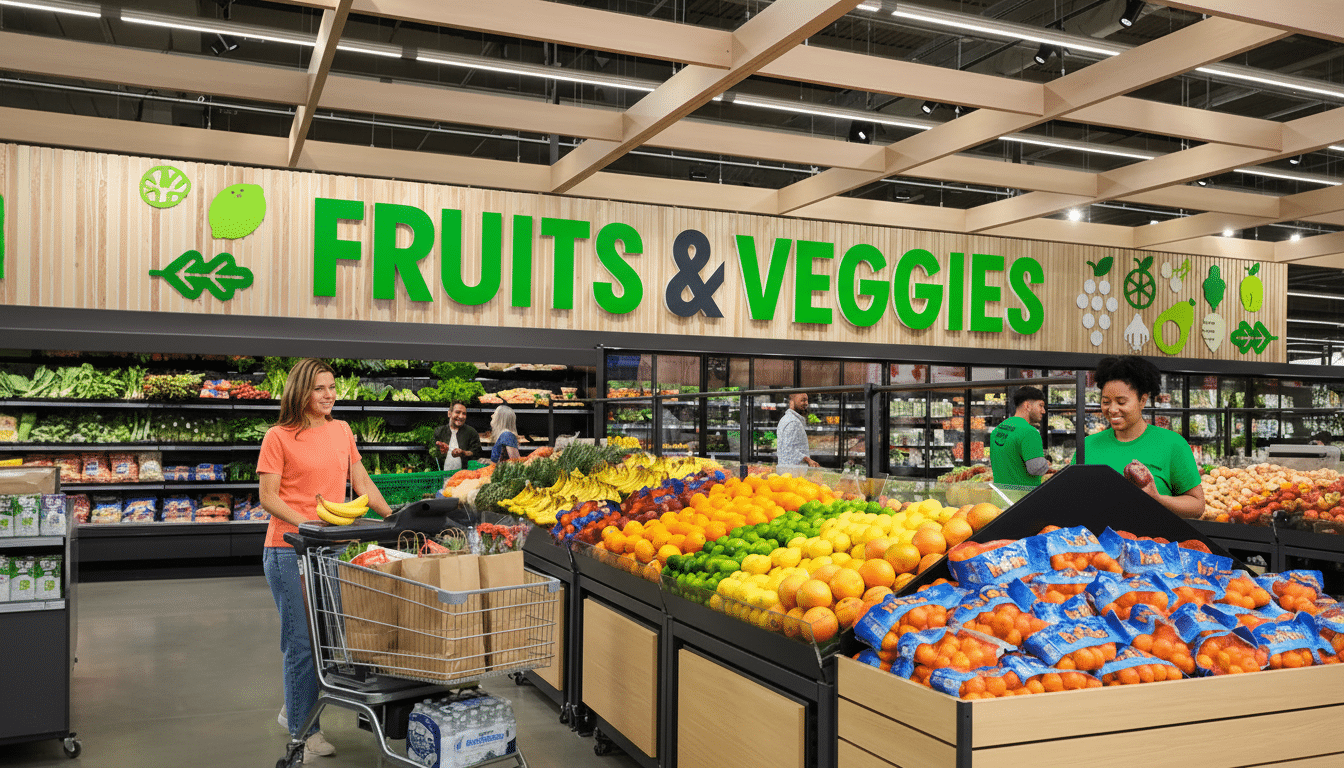
Some early additions: fresh bakery cinnamon rolls, refrigerated pizza dough, and bottled spring water. Amazon will add frozen pasta meals, pie fillings, granola, sliced loaf cakes, and expanded deli meats in the coming months — products that have a history of triggering repeat baskets and fostering loyalty in private labels.
Availability extends to online and Amazon Fresh stores, with the company’s logistics and store footprint lending it a platform for both delivery and in-person shopping. The products are presented as value-forward but quality-tested, a message Amazon has been honing as its grocery aspirations creep from the pantry into perishables.
Why an Under $5 Price Point Matters to Shoppers
Shoppers have been trading down to private labels for two years as they continue to face high food bills. Even as inflation has cooled from its recent peak, food-at-home prices remain significantly above pre-2020 levels. That collective sticker shock has taught resoundingly clear price ceilings — under $5, say — powerful psychological anchors for households tallying weekly bills.
Industry watchers affirm the trend: Store brands hit record dollar shares in 2023, according to data from Circana and the Private Label Manufacturers Association, maintaining a 20% slice of U.S. grocery spending by dollars through 2024. Value tiers are outperforming — particularly in center-store categories such as canned goods and baking staples.
Amazon has experienced a similar groundswell inside its walls. Customers bought around 15% more private-label products across Amazon.com, Whole Foods Market, and Amazon Fresh than the previous year, according to company figures. The under-$5 strategy is meant to keep that flywheel turning, not only increasing the spread for the budget-conscious consumer but also pushing routine reorders.
How It Fits Amazon’s Strategy in the Grocery Space
Combining many labels under Amazon Grocery makes it easier for merchandising, and search is also simplified, meaning there’s less friction when customers filter by price, size, or dietary preference. And it simplifies packaging and supplier onboarding, two levers that count when you’re trying to hit ambitious price points without compromising quality.
The launch adds a value tier to sit alongside Whole Foods Market’s more premium 365 range, leaving Amazon with a clearly demarcated “good-better-best” price architecture across the remainder of its ecosystem.
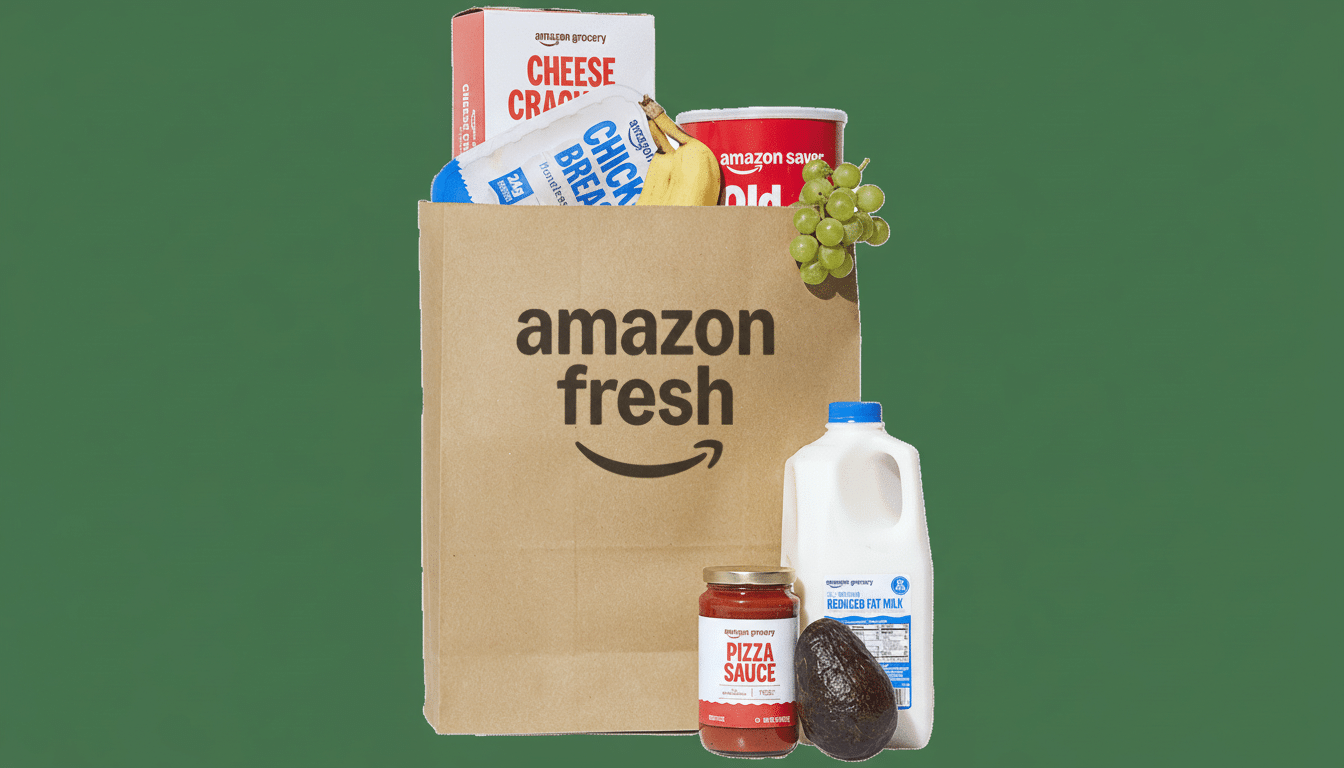
Last year’s launch of the budget-conscious Amazon Saver line set a floor for ultra-low-cost staples; Amazon Grocery now fills in the vast middle, with fresh and refrigerated items for which trust and reliability are paramount.
Distribution is another advantage. Amazon very discreetly made it possible to order perishable items through its Same-Day Delivery slot in some 1,000 U.S. cities, enabling consumers to lump in produce, dairy, and meat with their household goods and electronics — all in the same cart. Amazon Grocery fits nicely into that model, enabling mixed baskets and faster replenishment cycles.
Competitive Pressure and the Current Market Context
Amazon’s value push enters a market already dominated by private labels from retail giants. Walmart’s Great Value, Target’s Favorite Day and Good & Gather, Kroger’s Simple Truth, and Costco’s Kirkland Signature have established clear expectations around price and quality. Amazon needs to win on a three-part equation — low prices, wide selection, and dependable delivery speed — in order to compete.
National brands will face pressure to do the same. During “trade-down” periods, people tend to sample store brands in lower-risk categories like water or baking basics and then gradually extend into riskier ones such as refrigerated and frozen meals if quality holds up. If Amazon can keep quality consistent across fresh and prepared foods — the historically most difficult private-label categories to get right — it will be able to secure repeat baskets, along with reorders from the subscription-loyal.
What Shoppers Should Watch as Amazon Expands Grocery
Price caps open up debate around pack sizes and perceived shrinkflation. Portion sizes will be one factor Amazon will have to weigh against value messaging so that customers can feel they’re getting their proper share. Clear labeling with consistent specifications will be crucial if this trust is to be built over the long term, especially in products like lunch meats, fresh-baked goods, and ready-to-heat meals where variability can undermine loyalty.
Quality control will also take center stage. New categories need tight supplier relationships, cold-chain integrity, and fast feedback loops. Amazon’s advantage: insights about what gets reordered, returned, or rated poorly in near-real time could help it iterate faster than traditional grocers.
For Amazon, the bounty is greater than a budget label. If the company can persuade millions of households to rely on it for weekly standbys — and make those baskets easy to refill — grocery gets that much stickier as a lock-in device for Prime members, not just a broader engine for retail growth. For shoppers, the takeaway is more immediate: a wider array of those sub-$5 selections among the essentials they most frequently buy, dropped off or picked up with fewer compromises.
