


Amazon is exploring a marketplace that would let media companies license their articles, images, and video directly to AI developers, a move that could transform how training data is sourced and paid for. According to industry executives briefed on the effort, the company has signaled plans for a standardized exchange where publishers set terms and usage rights while AI firms obtain clean, compliant datasets at scale.
The concept lands at a fraught moment. Lawsuits over unlicensed scraping continue to stack up, and big AI players are racing to secure premium content through formal deals. A centralized marketplace from Amazon, paired with its cloud and rights-management tooling, would put marketplace mechanics on a process that has so far been handled through bespoke negotiations and, too often, legal threats.
- What An Amazon Content Exchange Could Look Like
- Why Publishers Are Paying Attention to Amazon’s Plan
- Legal and Policy Backdrop for AI Content Licensing
- What It Means for AI Builders and Model Developers
- Open Questions and Risks for an Amazon Content Exchange
- The Bottom Line on an Amazon AI Content Licensing Marketplace
What An Amazon Content Exchange Could Look Like
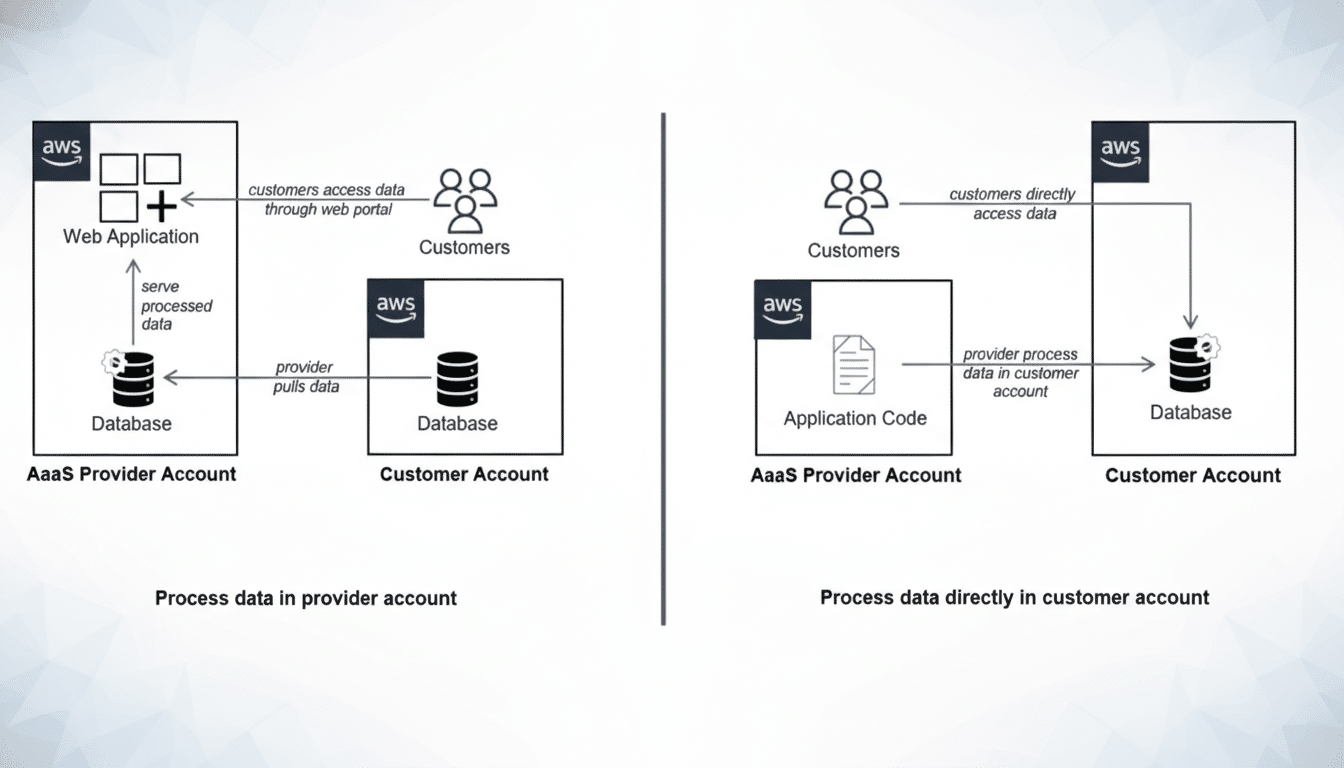
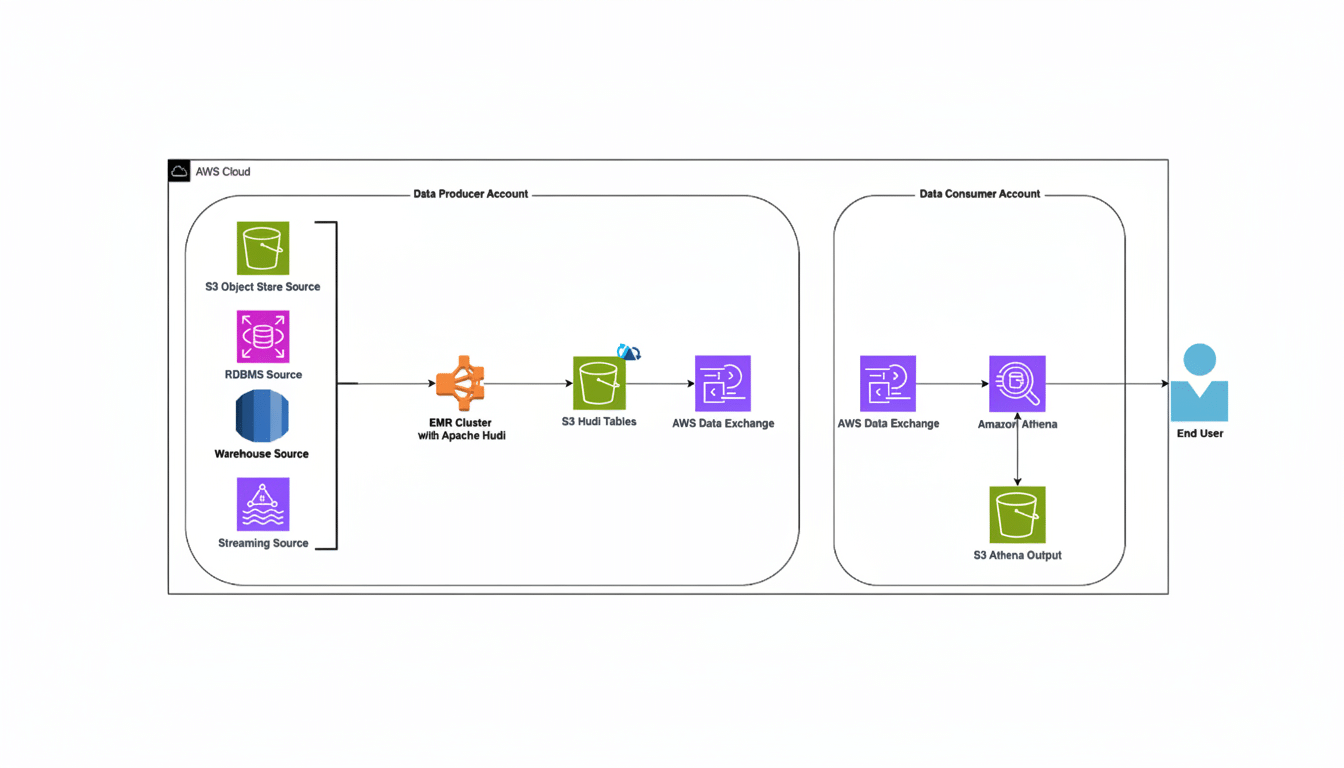
Amazon has the building blocks: an enormous cloud customer base, a mature digital marketplace model, and data-governance features in services like AWS Data Exchange and Bedrock. A content marketplace could operate much like AWS’s software catalog—publishers list licensed collections, define permitted uses (training, fine-tuning, RAG, summarization), attach rates, and provide metadata for provenance and auditability.
Expect standardized contracts, token- or volume-based metering, and options for tiered access (archived vs. breaking coverage, full text vs. abstracts). To reassure rights holders, the marketplace would likely emphasize usage tracking, provenance signals such as ISCC codes, watermarking, and data-leak tests to detect memorization. For AI buyers, the lure is predictable pricing and a clear paper trail to defend against legal or regulatory scrutiny.
Microsoft has already introduced a Publisher Content Marketplace promising “scaled access to premium content.” Amazon’s entry would intensify competition and could normalize price bands and licensing taxonomies across the ecosystem.
Why Publishers Are Paying Attention to Amazon’s Plan
Publishers are looking for durable revenue beyond ads and unstable platform referrals. Several outlets have struck bilateral deals—OpenAI has agreements with the Associated Press, Vox Media, News Corp, and The Atlantic—but many mid-sized and niche publishers lack the leverage or legal budget for one-off negotiations. A marketplace promises simpler onboarding and a discoverability boost for specialized archives that are valuable for domain-specific models.
Traffic anxiety is also real. Research from BrightEdge found Google’s AI Overviews surfacing on a meaningful share of queries for stretches last year, while ad-management firm Raptive told partners that AI-generated answers can materially reduce click-through on affected topics. For newsrooms already squeezed by platform volatility and higher audience-acquisition costs, a measurable licensing line item could offset those risks.
Legal and Policy Backdrop for AI Content Licensing
The marketplace idea arrives amid litigation that is shaping the boundaries of fair use in the AI era. High-profile cases—from a major newspaper’s suit against OpenAI and Microsoft to claims by authors and image libraries against model developers—highlight the uncertainty. In parallel, the U.S. Copyright Office has solicited comments on generative AI and copyright, while the EU’s AI Act is poised to tighten transparency and rights-respecting data practices.
Against this backdrop, an Amazon-run exchange could serve as a compliance accelerant: clear licenses, auditable data lineage, and opt-in frameworks. Trade groups such as the News Media Alliance have long argued for standardized compensation; a large-scale marketplace could operationalize that stance, especially for smaller publishers who lack in-house licensing teams.
What It Means for AI Builders and Model Developers
Models trained on licensed, well-labeled corpora often perform better on factual recall and reduce hallucinations in domains like finance, health, and law. For foundation and specialized models alike, high-quality rights-cleared datasets can cut risk and improve evaluation scores without resorting to gray-market scraping. The tradeoff is cost: content licensing will become a line item in model training budgets, with careful curation to avoid paying for duplicated or low-signal data.
Expect bundling. AI companies may negotiate portfolio licenses across dozens of publishers, mirroring how streaming media buys content. For retrieval-augmented generation, per-query or per-document pricing could emerge, aligning spend to actual usage rather than bulk ingestion.
Open Questions and Risks for an Amazon Content Exchange
Will marketplace pricing favor large, general-interest brands or reward niche expertise? How will embargoes, corrections, and paywall rules be enforced once content flows into training pipelines? Can marketplaces prevent leakage of licensed text back into public model outputs, and what are the remedies if they fail?
There’s also the competitive layer. Amazon has invested heavily in the AI stack, including a multibillion-dollar partnership with Anthropic. To reassure publishers and rival model builders, the marketplace will need strong firewalls, neutrality commitments, and transparent governance.
The Bottom Line on an Amazon AI Content Licensing Marketplace
If Amazon proceeds, a content licensing marketplace could professionalize how AI companies source premium data and give publishers a scalable revenue stream tied to the growth of generative AI. The winners will be those who align pricing with measurable value, pair licenses with robust provenance tech, and keep contracts flexible as regulation and use cases evolve. In a sector defined by legal gray areas, standardized marketplaces may be the clearest path to sustainable, rights-respecting AI.
