


Amazon is releasing a radical Fire TV refresh that brings it closer to the content-first model made popular by Google TV, consolidating recommendations from across services with a new quick access control panel. The shift is an obvious move to limit app-hopping and promote more personalized discovery — the very playbook that’s worked on rival platforms.
A Familiar Home Screen Playbook Focused on Unified Discovery
At the heart of that is one browsing experience. Now, when you use Fire TV to lean back and watch something, you no longer have to open Netflix for movies, Prime Video for originals, Apple TV for purchases — the box surfaces picks across subscriptions in one place. You can tap on Movies and still see tiles from across supported apps; you go to Sports and get aggregated games, documentaries, and news without having to sift through listings on individual services.
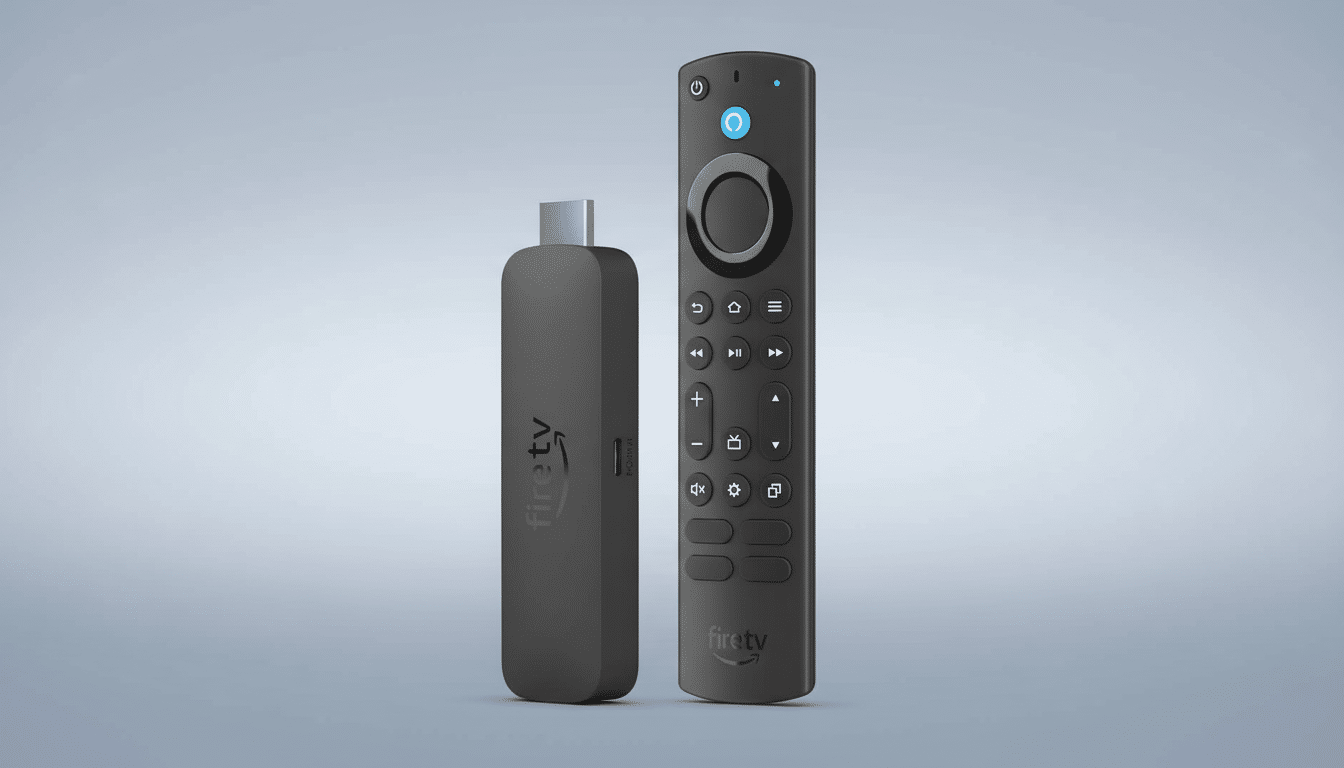
This echoes Google TV’s own “For You” strategy, which combines catalogs and watchlists into one feed. The payoff is clear: less friction, more sessions started. Industrywide in user testing, compacted carousels consistently lift completion rates because viewers decide what’s on the screen instead of giving up the search. Watch for Amazon’s editorial rails and machine learning signals to be more pronounced in terms of what shows up first.
Amazon also expands customization. You can now pin up to 20 apps on the home screen, a huge move up from the old cap of six. For power users with a mix of top-tier streaming services, FAST channels, and niche offerings to juggle, the extra slots diminish the need for hiding certain apps from sight.
Smarter Controls and a Faster UI with Alexa Integration
Hold down the Home button, and a shortcut panel pops up that has a quick-window feel to it, similar to what you might find with Google TV. Outside of the toggles, Amazon’s version leans into the company’s ecosystem: By pulling down from the home screen, you can see Ring camera feeds, adjust various common AV settings, and get to smart home controls with a few taps. For households that have already bought into Alexa, Ring, and compatible light bulbs or thermostats, it’s a meaningful differentiator.
Design tweaks bring the look into modernity — rounded corners, new gradients, streamlined typography, and more breathing room between rows. Amazon also boasts some under-the-hood optimizations that result in a 20–30 percent speed bump at times. On budget sticks — and especially those with tight RAM and storage — there is even a relatively small performance gain that helps eliminate stutter, shortens app launch times, and decreases the need for double-pressing from afar.
Navigation gets a few more quality-of-life upgrades as well. Hitting the menu button takes you straight to Games, Art and Photos, or Ambient Experience shortcuts, so it’s simpler to use the TV as a screen for galleries or background art when not in use.
Rollout and Device Support for Fire TV Models and Regions
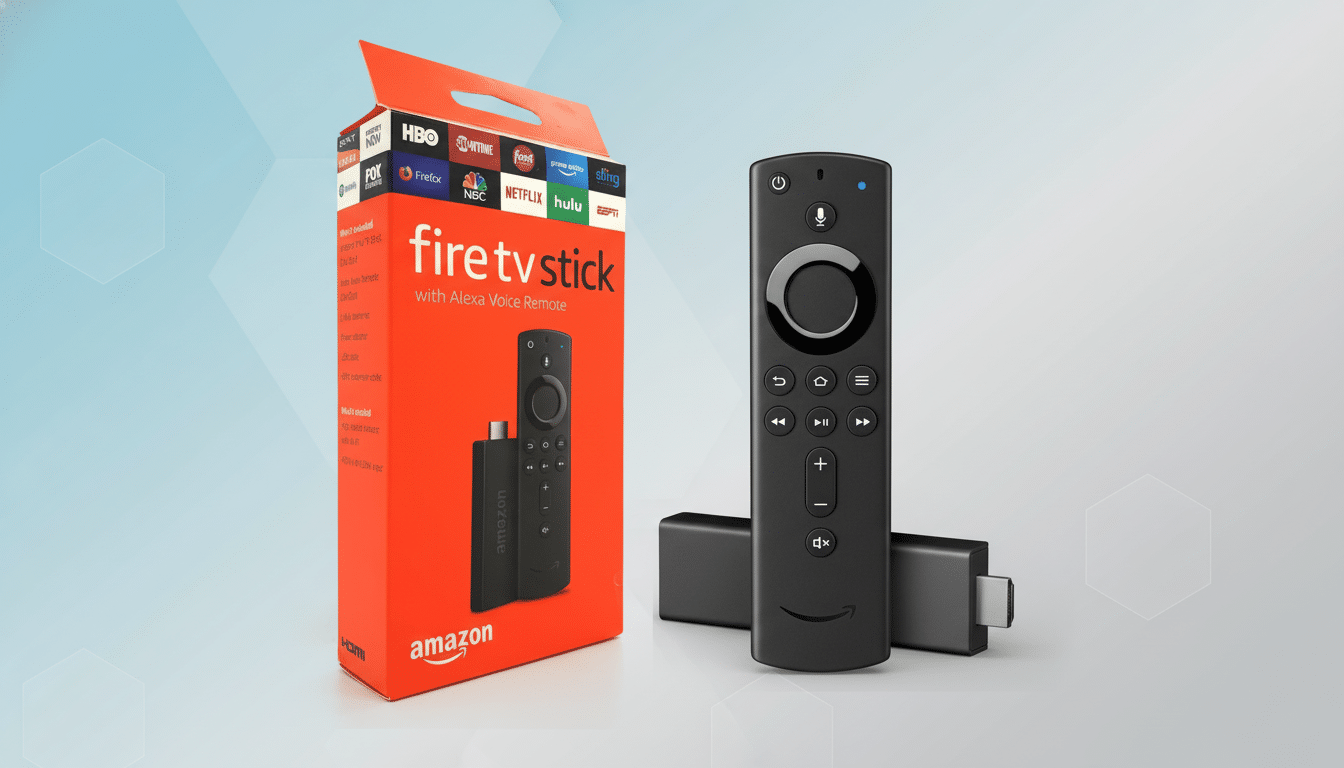
The redesign starts rolling out today on certain devices in the US, such as Fire TV Stick 4K Plus, the second-gen Fire TV Stick 4K Max, and the Fire TV Omni Mini‑LED lineup. Amazon adds that additional countries and first‑party and third‑party devices will come later, beyond the initial tide, suggesting this to be a broad rather than narrow initiative.
Rounding out the TV release, an updated Fire TV mobile app now includes home screen browsing, watchlist management, and an option to kick off playback with the big screen. That tighter phone‑to‑TV handoff is becoming standard among ecosystems and should help Amazon retain some viewers within its orbit when they leave the remote behind.
Why the Convergence Matters for Streaming TV Platforms
Google has been pushing unified discovery as the antidote to app overload, and the pitch is catching. The company has previously claimed more than 150 million active devices per month on Android TV OS, while Amazon has said it’s sold hundreds of millions of Fire TV units globally. At that scale, even small UX improvements can swing billions of viewing minutes.
Analysts at Comscore and Nielsen consistently rank Roku and Fire TV as leaders in US connected TV engagement, with Google TV and Apple TV gaining ground. In that crowded pack, the platform that eliminates the most friction wins attention — and the advertising dollars that accompany longer sessions. Over time, expect Amazon to further seamlessly integrate its own services, third‑party subscriptions, and ad-supported channels into these new rails.
The look-and-feel might be reminiscent — and fans of both companies have accused them of copying from each other — but the bigger trend is unmistakable: TV platforms are converging on a shared notion of what it means to be “good.” The only thing I’m missing is content-first and fast navigation with proactive controls that tie to the home. Amazon’s update fits neatly inside that lane, with a few ecosystem‑specific flourishes like the integration of Ring that might encourage diehards to plop themselves into a Fire TV.
An open question is how aggressively each platform self‑promotes within unified feeds. Regulators have criticized self‑preferencing in other markets, and consumers are quick to realize when recommendations suddenly feel like ads. If Amazon finds a way to thread the needle between relevance and revenue, that redesign will do something substantial for day‑to‑day use for millions of TVs.
