


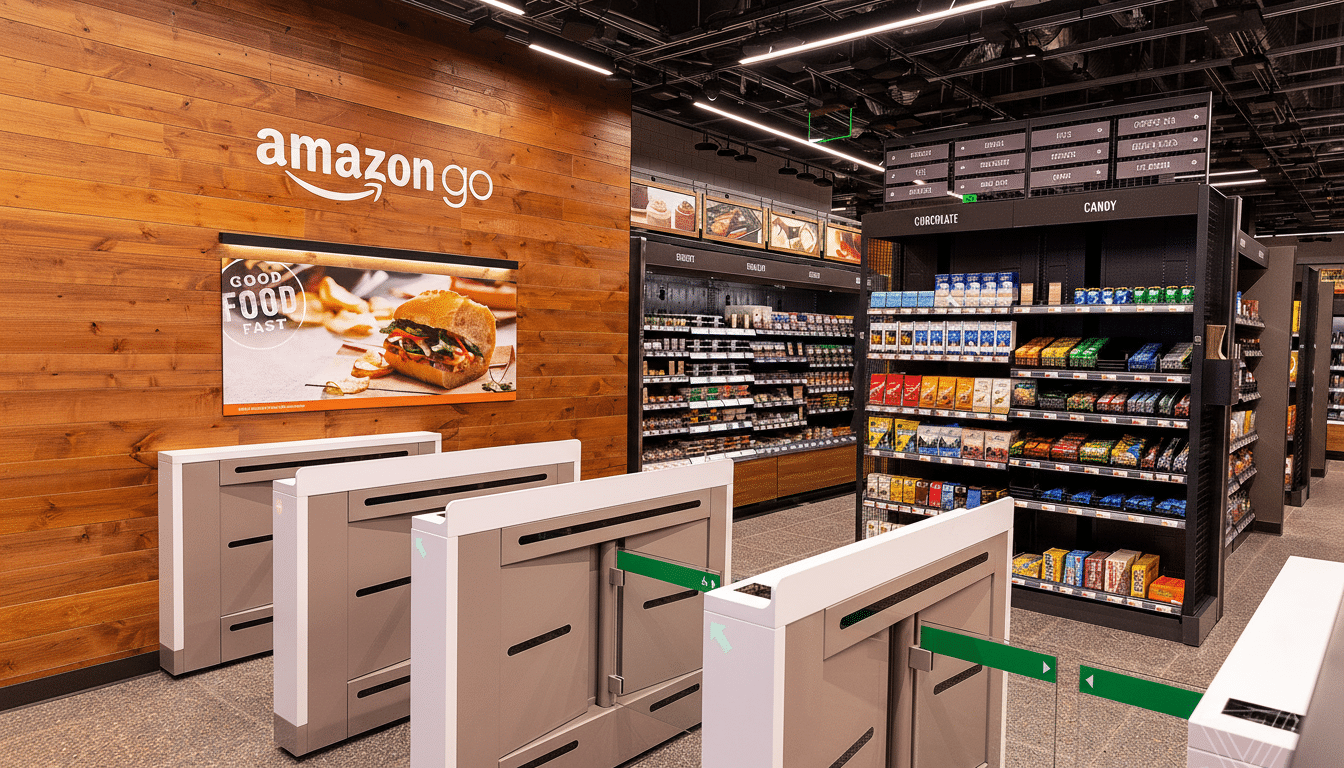
Amazon is winding down its Amazon Go and Amazon Fresh brick-and-mortar stores, drawing a line under a high-profile experiment in cashierless retail and refocusing its grocery strategy on same-day delivery and an expanded Whole Foods footprint.
The company said it will prioritize scaling fulfillment for rapid grocery delivery while licensing its Just Walk Out technology to third parties rather than operating its own convenience and mid-size grocery banners.
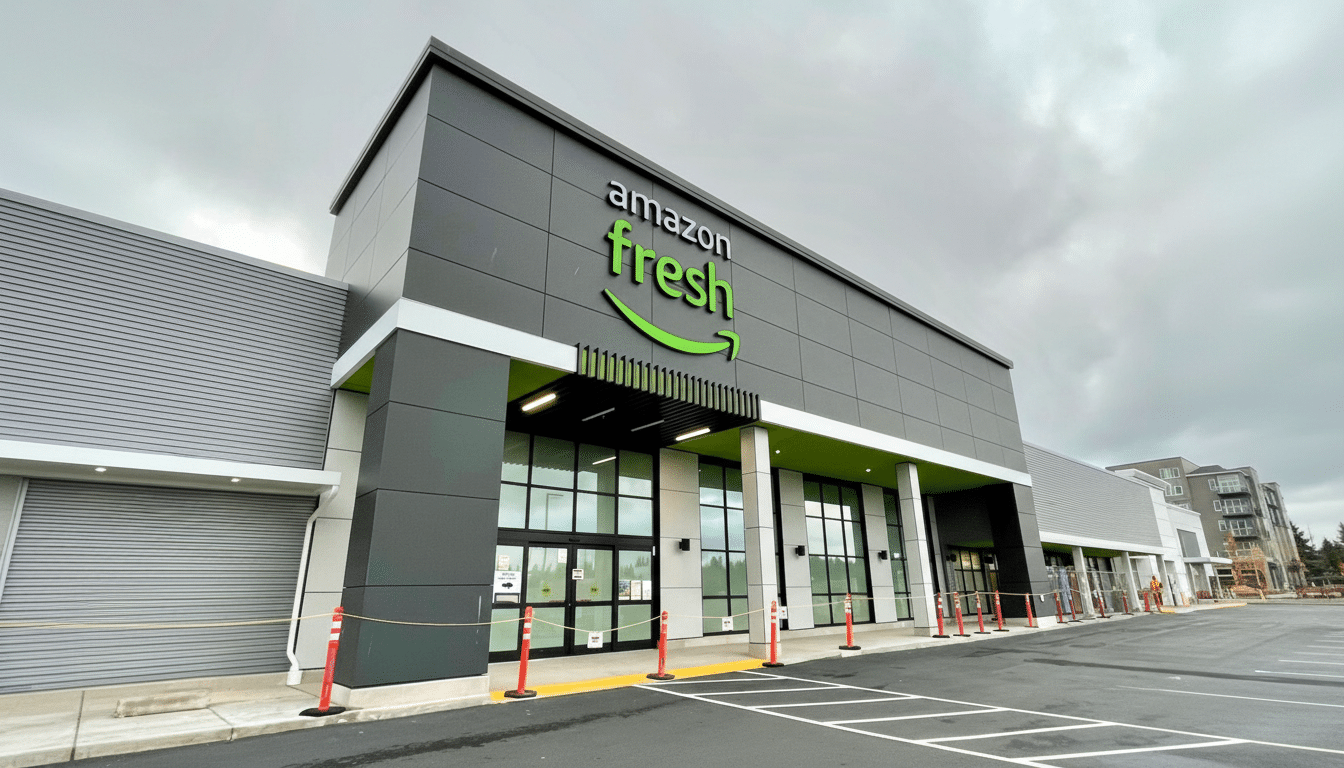
Why The Stores Are Closing: Economics And Brand Fit
Amazon has long pitched cashierless shopping as a time saver, but a tougher reality has persisted: running physical grocery is a low-margin grind where leases, labor, shrink, and localized assortment all weigh on profitability. Company statements have repeatedly pointed to store economics and lease costs as barriers to wider rollout.
Another challenge was brand fit. Consumer research consistently shows stronger affinity and trust for the Whole Foods banner in fresh and prepared foods than for newer Amazon-labeled grocery formats. In other words, shoppers recognized the tech but didn’t always see a distinctive reason to switch their weekly shop to Amazon’s own stores.
Industry analysts have also noted that online grocery’s share has grown to the low double digits of total grocery spending, according to firms like Brick Meets Click, but most purchases still happen in traditional stores. That makes scale, real estate discipline, and a well-known brand critical—advantages Whole Foods already has.
Focus Shifts To Delivery And Tech Licensing
Amazon plans to expand capacity for same-day grocery delivery, doubling down on a service that dovetails with Prime and leverages the company’s logistics network. The move aligns with broader consumer behavior, where convenience and speed drive repeat purchases in e-commerce baskets.
Just Walk Out does not disappear with the stores. Instead, Amazon will emphasize licensing the technology to venues where it already resonates: stadium concession stands, arenas, and airports. These locations value throughput and short dwell times, and operators can more easily tailor assortments and staffing around event peaks. Amazon has cited growing adoption in these environments, where the tech’s promise—grab and go with near-zero queueing—has a clear payoff.
This pivot also reduces the heavy lift of operating a full-scale grocery chain while preserving a recurring revenue stream from enterprise clients. It mirrors a broader playbook across the company: build for internal needs, then commercialize the platform.
Whole Foods Emerges As The Grocery Flagship
Amazon says it will open more than 100 additional Whole Foods stores over the next few years. Since being acquired, Whole Foods has expanded to around 550 locations and delivered over 40% sales growth, according to the company. Those are the kinds of metrics that justify new square footage in a sector where every basis point matters.
The company is also investing in Whole Foods Market Daily Shop, a smaller format geared toward convenience and prepared meals. The concept aims to capture quick trips without diluting Whole Foods’ brand equity in quality and natural foods—an important distinction from Amazon Fresh, which struggled to carve out a unique identity against entrenched regional grocers.
Crucially, Whole Foods stores act as omnichannel hubs: they support delivery, pickup, and curated local assortments while reinforcing a premium brand that customers already know. That combination reduces marketing friction and improves unit economics versus launching a new banner from scratch.
What It Means For Shoppers And Rivals In Grocery
For customers, Amazon says nothing changes for online orders: Amazon Fresh delivery, pickup, and Whole Foods Market delivery continue, with more capacity coming. Expect faster slots in dense markets and deeper integration with Prime benefits as the company pushes frequency and basket size.
For competitors, the message is clear. Instead of spreading bets across multiple storefront brands, Amazon is concentrating on a single, trusted brick-and-mortar banner plus logistics-driven convenience. That puts pressure on national players and regional chains to sharpen loyalty programs, improve prepared food offerings, and invest in curbside and last-mile efficiency.
The retreat from Amazon-branded stores is not a retreat from grocery. It’s a recalibration toward what already works at scale—licensing proprietary tech where it shines and backing a banner with proven traction—while continuing to train shoppers to expect groceries at their door in hours, not days.
