


Amazon has paused its Prime Air drone deliveries in the Phoenix West Valley after two of its MK30 drones collided with a construction crane in Tolleson, resulting in investigations by federal safety regulators. Early reports said the drones were part of a sequential formation and went down in nearby parking lots; smoke from the wreckage prompted treatment for one bystander for smoke inhalation.
Amazon Suspends Prime Air Flights In Phoenix Area
The company said it was suspending operations in the corridor serviced by its Tolleson plant while it reviews the matter and cooperates with authorities. Deliveries on the ground will continue as usual, but customers in the affected area won’t be enjoying the speedy aerial drop-offs that Prime Air was meant to offer.
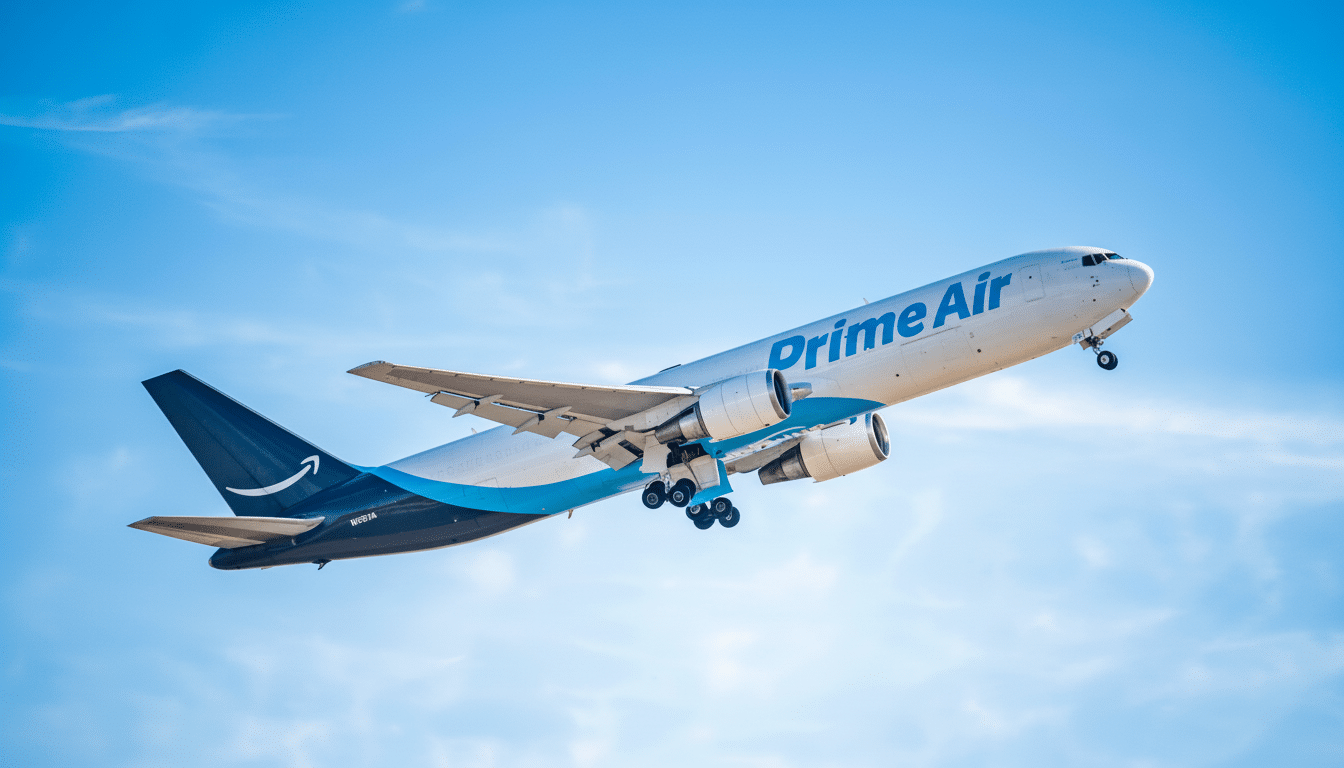
The Tolleson operation is one of Amazon’s newer Prime Air locations, developed around the MK30, a lighter and quieter drone designed to shuttle small packages — typically up to about five pounds — on short routes. The program’s potential rests on cutting last-mile delivery times and culling van traffic, which is why such disruptions are monitored closely by both regulators and rivals.
What We Know About the Tolleson Prime Air Drone Crash
Local coverage by ABC15 Arizona said the two Prime Air drones collided with a crane lifting equipment at a nearby construction site, and then landed in parking lots without causing any structural damage. The drones had taken off from Amazon’s nearby hub in Tolleson.
One person was treated after inhaling smoke from the rubble, according to reporting by The Verge. The drones were believed to have flown back-to-back, a fact investigators will consider as they map out the flight paths and examine spacing, route logic, and abort procedures.
Regulators Open Investigations Into Tolleson Drone Crash
The Federal Aviation Administration and the National Transportation Safety Board have begun investigations, which is standard when unmanned craft cause substantial damage or injury. Investigators generally look at telemetry data, operator checklists, maintenance records, obstacle database updates, and environmental conditions such as visibility and wind.
Amazon runs Prime Air under FAA certifications for commercial drone deliveries, which come with safety management systems and rigorous pilot-reporting requirements. If there are any corrective measures — software patches, changes to geofencing maps, tweaks in operating procedures — those would probably need to be discussed with regulators before flights could resume.
Safety Tech Under Scrutiny After Prime Air Drone Crash
The MK30 is promoted as having “sense-and-avoid” technology that can purportedly detect aircraft and ground obstructions using sensor fusion and onboard computing. Construction cranes are still a hard-edge case: they can be raised or extended rapidly, have small profiles and minimal radar cross sections, and often barely touch upon pre-mapped hazard layers if real-time detection isn’t strong.
And — yet again, back-to-back flight plans discredit the logic of deconfliction and separation margins. Investigators will likely explore whether the system detected the crane in time, how to prioritize avoidance maneuvers, and whether a no-fly perimeter around the construction site was active — and broad enough.
Context from the rest of the industry highlights its high stakes. Competitors including Wing and Zipline cite hundreds of thousands to millions of autonomous deliveries worldwide, which rely on methods such as offboard camera surveillance, acoustic detection, or precision approach systems navigating low-altitude risks. The bar for reliability in crowded, fast-changing airspace is high, and even infrequent mishaps can reset timelines for scaling.
What The Pause Means For Drone Delivery Deployment
For the customers, it is local and short-term. It’s likely to prompt Amazon to conduct a new round of hazard mapping and refine operations, especially around temporary impediments like cranes and utility work, before resuming service. Planned pauses after events are not uncommon in aviation and usually lead to specific technical updates, rather than wholesale changes to a program.
More broadly, the episode underscores the most challenging problem in drone delivery: not cruise flight, but that last mile across busy industrial zones and unpredictable urban infrastructure. Prime Air’s next phase won’t be judged by the headline speed, but by how convincingly its safety systems deal with these edge cases under regulatory scrutiny.
