


I spent a week swapping between Sony’s WF-1000XM6 and Apple’s AirPods Pro 3 in trains, offices, gyms, and on video calls. Both are top-tier earbuds, but one pair consistently made my day easier and my music cleaner in real-world use. The AirPods Pro 3 take the win for most people, while Sony’s WF-1000XM6 remain the connoisseur’s choice for customization and hi-res listening.
How I Tested Both Earbuds Across Devices And Scenarios
Playback sources included an iPhone, a Pixel, and a MacBook, streaming from Apple Music, Tidal, and Spotify. I cycled through pop, jazz, classical, and podcasts, then added plane-cabin and subway noise recordings to stress-test active noise cancellation. Calls were made on Zoom and FaceTime in a breezy outdoor setting to probe mic behavior and wind handling.
- How I Tested Both Earbuds Across Devices And Scenarios
- Comparing Sound Quality And Codecs Between Both Earbuds
- Noise Cancellation And Transparency In Real-World Use
- Comfort, Controls, And Call Quality In Daily Use
- Features And Ecosystem Differences That Matter Most
- Battery Life, Charging Options, And Overall Durability
- Price, Street Value, And Who Should Buy Each Pair
- Final Verdict: Which Earbuds Are Best For Most People
Comparing Sound Quality And Codecs Between Both Earbuds
Pure fidelity favors Sony. The WF-1000XM6 offer LDAC and LC3 alongside AAC and SBC, unlocking up to 990 kbps on compatible Android devices. With well-mastered tracks—think the cymbal decay on Miles Davis’ So What or the plucked transients on Phoebe Bridgers’ Kyoto—the Sonys present more spatial depth and micro-detail. Sony’s 10-band EQ (31Hz–16kHz) in the Headphones Connect app lets you fix a warm tilt or hot upper mids in seconds.
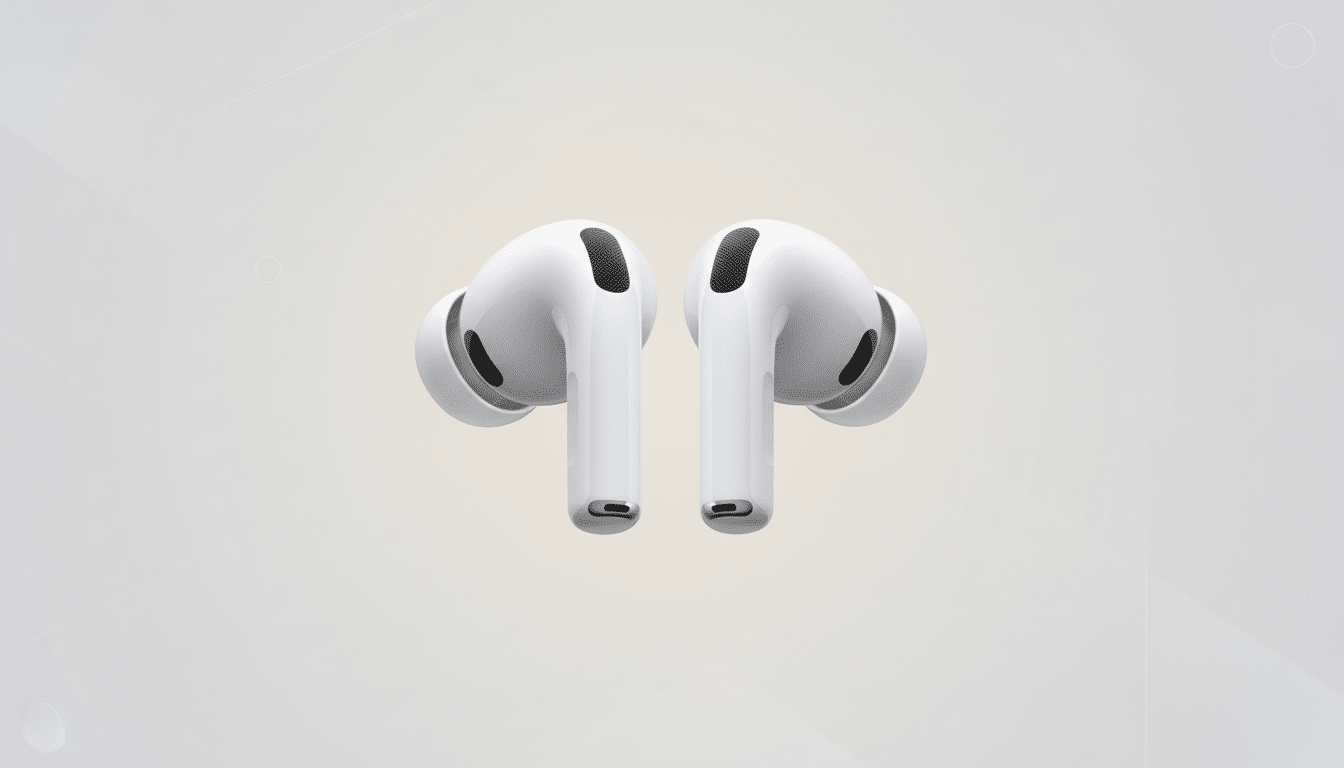
AirPods Pro 3 sound excellent, with taut bass and clean treble, but they are AAC-first and locked from user EQ. Apple’s lossless path exists, but it is limited to specific Apple hardware contexts. Spatial Audio and head tracking remain a highlight for movies and Apple Music’s catalog, delivering a convincing sense of stage. For listeners who rarely tweak sound or chase hi-res tiers, the difference narrows quickly.
Noise Cancellation And Transparency In Real-World Use
This is where Apple pulls ahead. In trains and aircraft cabin simulations, AirPods Pro 3 suppressed low-frequency rumble more aggressively while keeping midrange cues intact, so announcements and voices were less muffled when Transparency or Adaptive modes kicked in. Independent lab benches like Rtings and SoundGuys have consistently ranked recent AirPods Pro generations among the top performers for ANC and natural-sounding pass-through, and this iteration follows suit.
Sony’s ANC remains excellent, especially against steady noise, but AirPods Pro 3 felt steadier across shifting environments. Apple’s Conversation Awareness and Adaptive Audio intelligently lowered volume and opened transparency when I started speaking, which reduced the number of manual toggles throughout the day.
Comfort, Controls, And Call Quality In Daily Use
Comfort is subjective, but the stem design still pays dividends. AirPods Pro 3 distribute weight better, stay put on runs, and use a reassuring squeeze gesture that never shoves the tip deeper. With Sony, the larger shell and touch-tap surface can press the bud inward; I also needed extra time with tip sizing (the included foam tips seal well but add bulk).
Call quality favored Apple, too. Wind handling was more consistent, with fewer plosives and a fuller voice timbre to colleagues on the other end.
Features And Ecosystem Differences That Matter Most
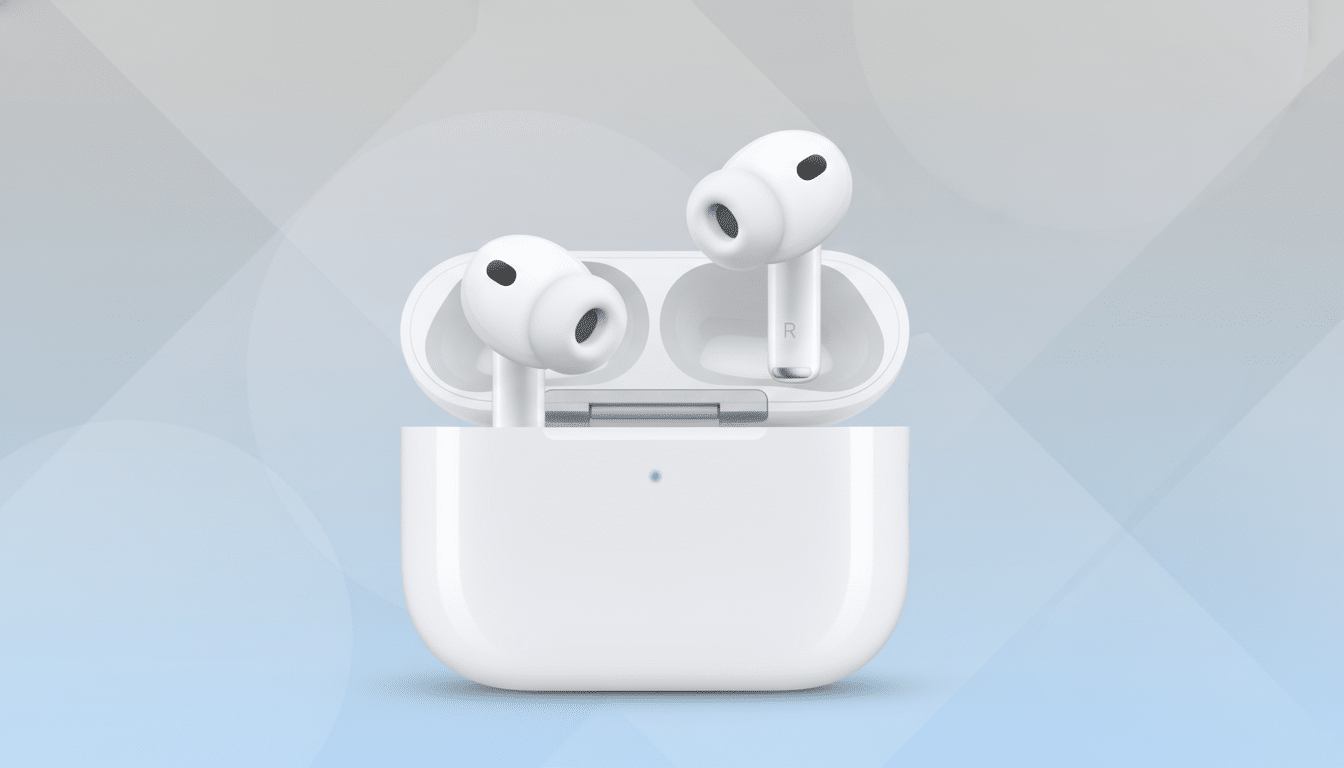
AirPods Pro 3 are packed with Apple-only tricks: seamless device switching, Find My precision finding, on-bud heart rate sensing, and new hearing capabilities that can screen for changes and serve as an over-the-counter hearing aid. With the World Health Organization warning that 1 in 4 people could experience hearing loss by mid-century, those tools are more than party tricks—they are preventative tech in your pocket.
Sony counters with broader compatibility. Multipoint over Bluetooth 5.3 connects to two devices simultaneously, and the full-featured app works the same on iOS and Android. If you pay for a lossless or hi-res plan and use an LDAC-capable phone, Sony is the only set here that actually lets you benefit day to day. Industry groups like the Bluetooth SIG have been pushing LC3 for better efficiency and call quality; Sony supports it early, future-proofing connectivity.
If you live inside Apple’s ecosystem, the calculus shifts. Firms like Counterpoint Research estimate iPhone holds roughly half of the US smartphone market, which means features like instant pairing and Automatic Switching will matter to a lot of people—and they worked flawlessly in my testing.
Battery Life, Charging Options, And Overall Durability
Both delivered around 7–8 hours per charge with ANC on in mixed use, and about 24 hours total with the case. AirPods Pro 3 charge via USB-C, MagSafe, Qi, and even an Apple Watch puck; Sony offers USB-C and Qi. Durability favors Apple: IP57 for the buds means better dust and water resistance than Sony’s IPX4 rating, which only covers splashes.
Price, Street Value, And Who Should Buy Each Pair
AirPods Pro 3 list at $249, while Sony WF-1000XM6 land at $330. Street prices fluctuate, but Apple undercuts Sony at MSRP while offering class-leading ANC, broader charging options, and health features. Sony’s premium makes sense for listeners who will use LDAC and crave surgical EQ control.
Final Verdict: Which Earbuds Are Best For Most People
AirPods Pro 3 win this head-to-head for most users thanks to stronger day-to-day ANC, better comfort and controls, richer ecosystem perks, and a lower price. If you are on Android, chase hi-res libraries, or love to dial in a custom curve, Sony’s WF-1000XM6 are the better audiophile tool. But for everyone else—especially those juggling multiple Apple devices—the AirPods Pro 3 are the pair I would buy.
