


We put Apple’s AirPods Pro 3 head-to-head with the AirPods 4 with Active Noise Cancellation and found a decisive winner. Across weeks of testing—commutes, flights, gyms, and quiet offices—the Pro 3 consistently outperformed the AirPods 4 in noise cancellation, battery life, sound quality, and call clarity. The $70 price gap is real, but so is the performance delta.
If you’re choosing between them, the trade-offs come down to physics and features: a sealed design with class-leading ANC and richer audio versus an airy, open fit with surprisingly capable “anti-noise” but shorter stamina. Here’s how it breaks down.
- Price and value compared: AirPods Pro 3 vs AirPods 4
- Design, durability, and fit: sealed Pro 3 vs open AirPods 4
- Charging and findability: case features that ease daily use
- Connectivity and features: where both tie and where Pro 3 leads
- Battery life differences: Pro 3 outlast AirPods 4 by far
- Noise cancellation and transparency: seal vs open trade-offs
- Sound and call quality: Pro 3 deliver fuller, cleaner audio
- Verdict: AirPods Pro 3 are the better all-around choice
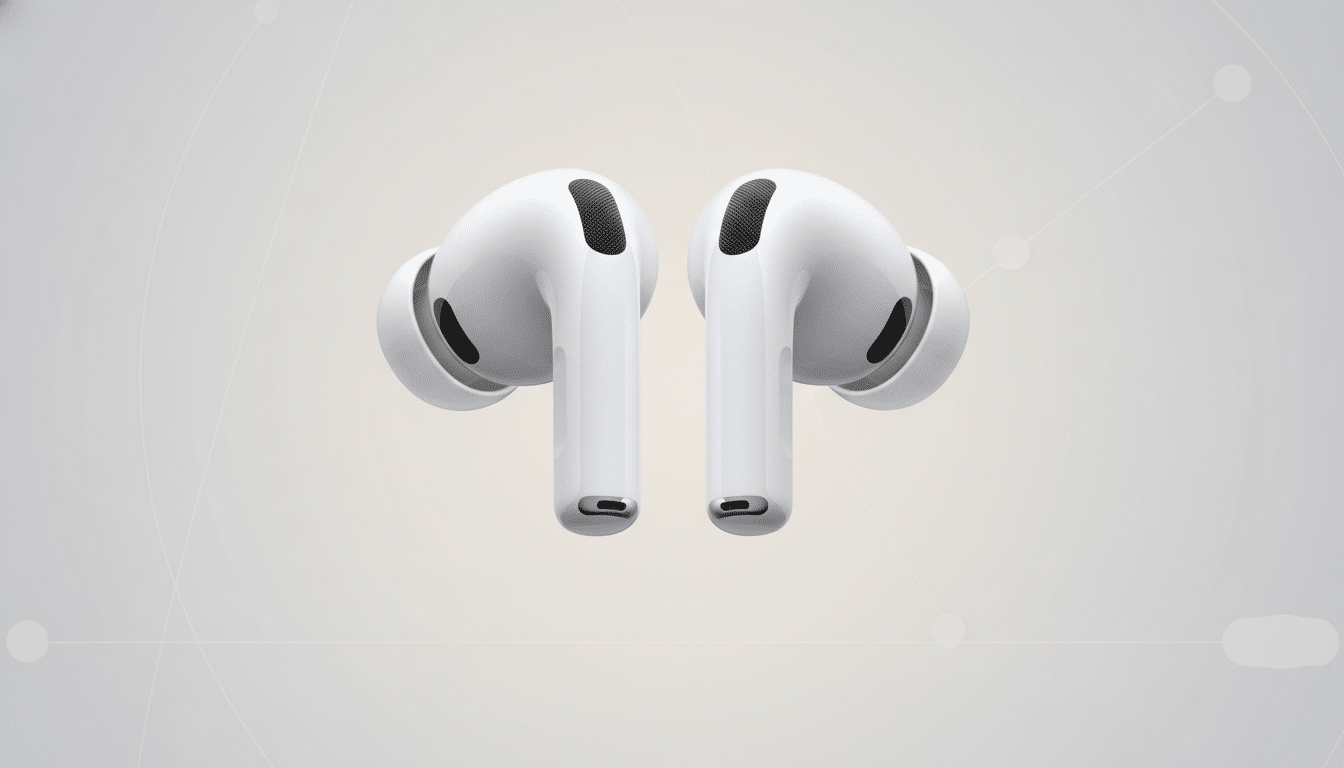
Price and value compared: AirPods Pro 3 vs AirPods 4
MSRP sits at $249 for AirPods Pro 3 and $179 for AirPods 4 with ANC. Street pricing muddies the waters: we tracked the AirPods 4 as low as $139 and the Pro 3 down to $239 during recent promotions. If you’re deal-hunting, timing can narrow the gap—but even on sale, the Pro 3’s advantages proved meaningful in daily use.
Design, durability, and fit: sealed Pro 3 vs open AirPods 4
Both sets use Apple’s familiar white finish and compact stems, but durability favors the Pro 3 with an IP57 rating versus IP54 on the AirPods 4. That extra protection matters if you run in the rain or sweat heavily.
Comfort is a split decision. The Pro 3’s reshaped buds and foam-infused tips (with more size options) provided a secure seal for workouts without hot spots. The AirPods 4, which don’t seal the canal, felt almost weightless over long stretches and were easier to pop in and out. Stability goes to Pro 3; all-day ease leans AirPods 4.
Charging and findability: case features that ease daily use
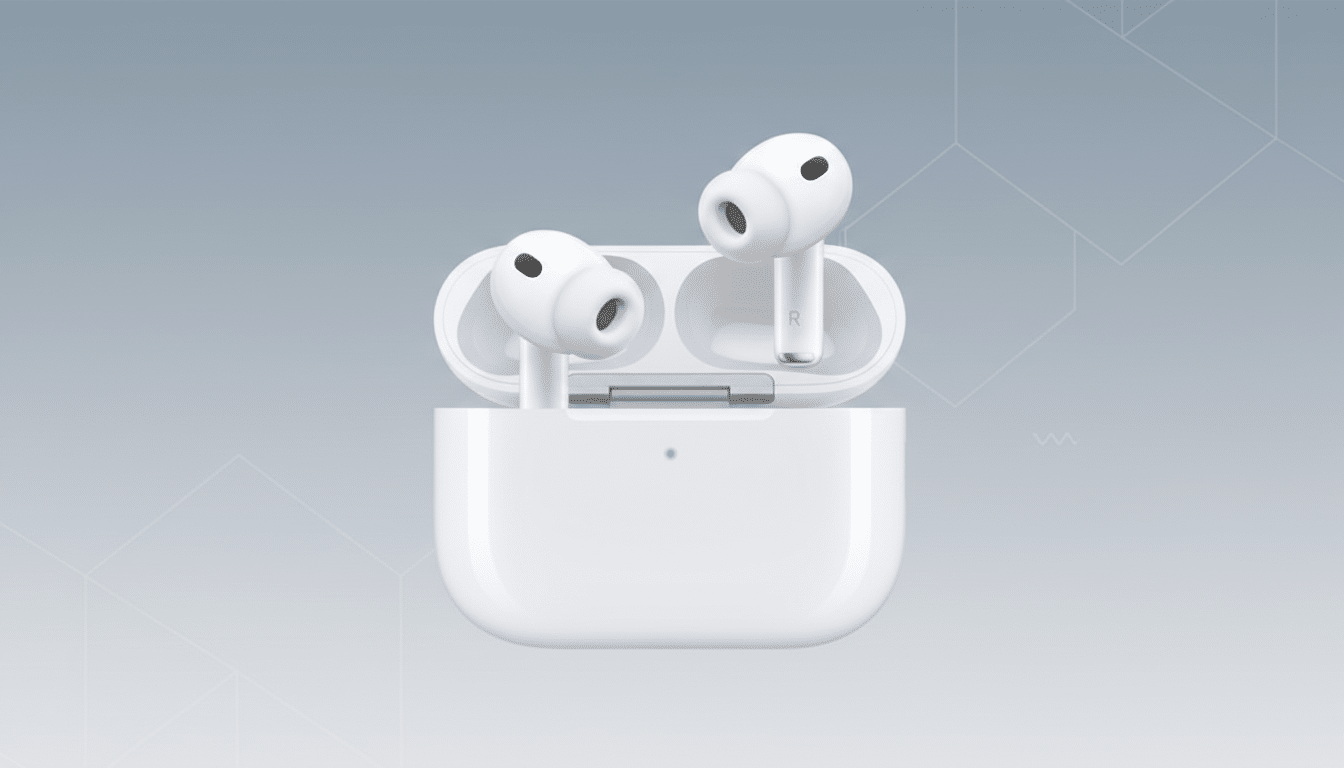
Both cases are pocketable and charge via USB-C and standard Qi pads. The Pro 3 case adds MagSafe-grade magnets and Qi2 support for a confident snap onto compatible chargers, plus Apple’s H2-enabled Precision Finding in the Find My app and a built-in speaker that chirps when you’re hunting for it in a couch or carry-on. Small upgrades, big quality-of-life gains.
Connectivity and features: where both tie and where Pro 3 leads
On the core stack, it’s a draw: Bluetooth 5.3 with AAC, AAC-ELD, and SBC; Spatial Audio with head tracking; and Automatic Switching across Apple devices tied to your iCloud. Live Translation, introduced alongside the Pro 3, also works on AirPods 4 with supported iPhones and the latest firmware, processing speech on-device via Apple Intelligence to translate phrases fluidly in real time.
The extras tilt toward Pro 3. You get onboard heart rate monitoring that integrates with the Fitness app, plus hearing health tools including in-ear hearing checks and assistive listening features. If you value wellness data and hearing support, that bundle is a differentiator.
Battery life differences: Pro 3 outlast AirPods 4 by far
This category isn’t close. With ANC on, we averaged roughly eight hours on the Pro 3 and about four hours on the AirPods 4. The case totals landed near 24 hours for Pro 3 and 20 hours for AirPods 4. For travelers or office marathons, doubling earbud stamina matters; fewer mid-day charges, fewer interruptions.
Noise cancellation and transparency: seal vs open trade-offs
Physics favors a seal. Independent lab tests from organizations like RTINGS typically show sealed ANC earbuds reducing ambient noise far more than open designs, often by double-digit decibels across low frequencies. Our results mirrored that reality. On a full flight, the Pro 3 hushed engine rumble to a soft thrum and dulled conversation spillover. AirPods 4 trimmed the edge off the cabin’s mid and high chatter but couldn’t mask low-frequency roar to the same extent.
Transparency is excellent on both. Apple’s pass-through remains the most natural we’ve heard: traffic cues, voices, and keyboard clicks all sounded lifelike, with minimal hiss or phase artifacts. That parity is commendable.
Sound and call quality: Pro 3 deliver fuller, cleaner audio
The AirPods 4 sound better than most open earbuds, with clear mids and tasteful treble lift. Bass is present but must fight physics without a seal. The Pro 3 deliver a wider stage, deeper sub-bass reach, and more micro-detail—think room reverb on acoustic tracks and tighter kick drum transients in pop and hip-hop. They’re not surgical-neutral, but they are consistently engaging.
For calls, the Pro 3 microphones isolate voices more confidently in lively spaces. Street noise and espresso machine hiss were tamped down without making speech sound papery. The AirPods 4 are perfectly serviceable, but the Pro 3 captured fuller vocal body and fewer background distractions.
Verdict: AirPods Pro 3 are the better all-around choice
Tally the categories and the AirPods Pro 3 are the clear standout. You pay more, but you get materially better ANC, twice the earbud battery life, richer sound, stronger call performance, sturdier water resistance, and meaningful extras like Precision Finding, MagSafe attachment, heart rate tracking, and hearing features.
The AirPods 4 with ANC are a compelling midrange option if you prefer an open fit and value effortless comfort. But if you want the best Apple earbuds for travel, focus, workouts, and everyday calls, our testing says choose AirPods Pro 3.
