


The world’s largest consumer tech show is back, and this year the story is all about artificial intelligence and robots taking over our homes (and possibly our job sites) — plus cheaper ultra-high-definition TVs that could offer a more affordable alternative to OLED technology.
Organizers at the Consumer Technology Association say CES continues to be the largest forum for consumer tech, with recent editions drawing more than 130,000 people and several thousand exhibitors. Anticipate that scale to amount to real product announcements and not just concept sizzle.
- Artificial intelligence takes center stage across categories
- Home and humanoid robots move beyond simple vacuums
- TV displays level up with MicroLED and brighter OLEDs
- Foldables and flexible screens preview future phone designs
- EVs and autonomous tech focus on ADAS and Level 3
- Chips power the AI PC — and beyond across devices
- Smart home and connectivity coalesce around Matter and Wi‑Fi 7
- XR finds its footing with comfort, content, and accessories
- What to watch closely at CES: real ship dates and prices
Artificial intelligence takes center stage across categories
AI won’t be a sidecar — it will be the engine. From TVs and speakers to laptops and cars, there will be models loaded on-device for faster, more private features like summarization, translation, or image generation. Canalys is predicting AI-equipped PCs will account for more than 60% of shipments in 2027, and CES is where chipmakers and OEMs show how we arrive at that destination.
Keep an eye out for new NPUs (neural processing units) coming to thin-and-light laptops and gaming rigs, which will blend high-TOPS NPUs with frugal CPUs and GPUs. It’s not just about benchmark bragging rights, but about battery life, low-latency AI workflows, and software support from Adobe, Microsoft, and top creative suites.
Home and humanoid robots move beyond simple vacuums
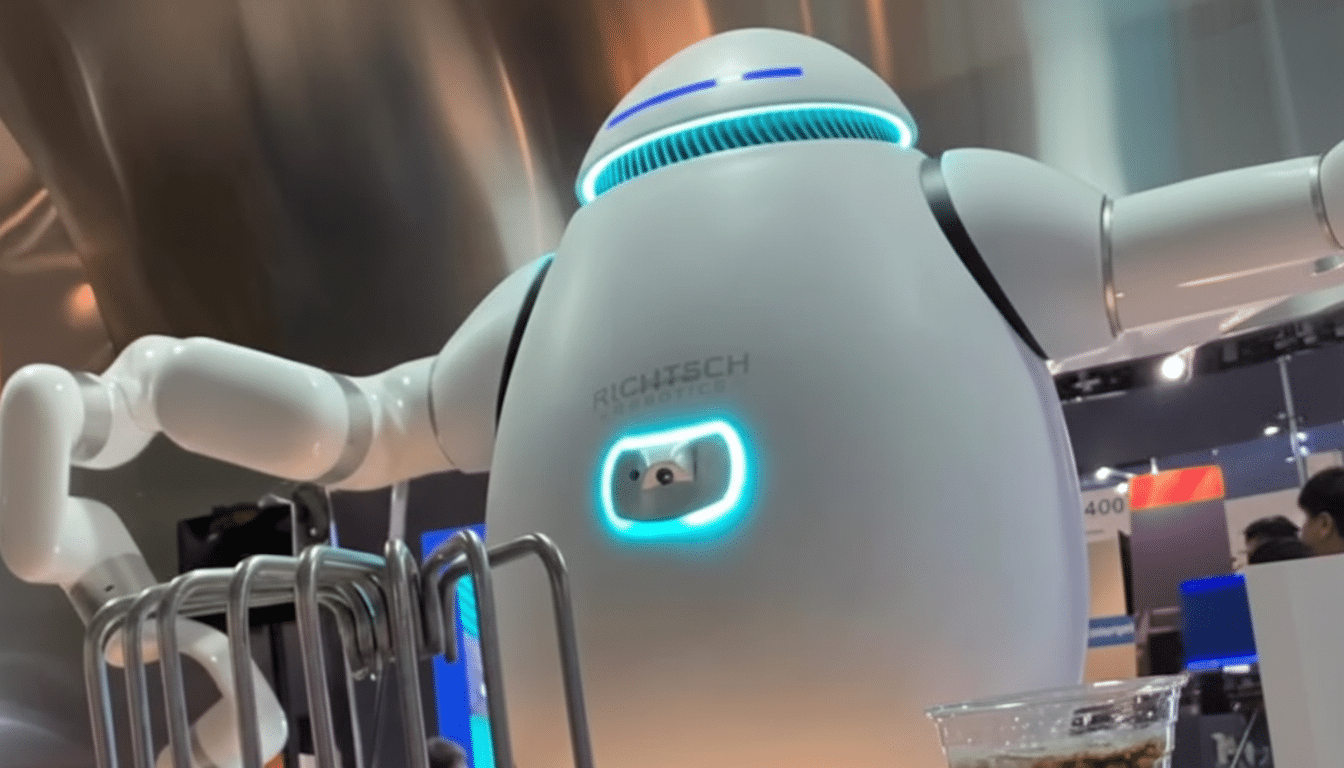
Robots will be more than vacuum cleaners. Look for home helper bots that blend vision-language models with improved navigation, as well as task-specific devices for elder care, security, and monitoring pets. The International Federation of Robotics reports record robot installations in recent years, and consumer adoption is increasing as costs drop and sensors improve.
It isn’t just cute companions to look out for — humanoid pilots and warehouse-adjacent platforms brought down to size for home use will also come along. Big brands have teased rolling assistants and new versions of old bots; start-ups are after practical chores: the laundry load, fetching, or real-time home mapping. This year the big issue is reliability and safety: vendors will have to demonstrate that they have strong fail-safes, not just clever demos.
TV displays level up with MicroLED and brighter OLEDs
TVs once again will cover the lion’s share of floorspace, with MicroLED expanding into more living-room sizes and premium OLED models reaching higher peak brightness and delivering better burn-in management. You can bet thousands-of-nits claims, ultra-thin (or maybe just thinner) bezels, and new shade preferences such as anti-reflective coatings that actually matter when using a monitor in daylight.
Format-wise, expect more refinements to next-gen HDR and broader adoption of variable refresh rates at up to 144Hz for big-screen gaming. Brands are also going to get more into AI upscaling and scene-by-scene picture tuning. Soundbars and wireless surround systems will reflect the same trend, offering better spatial audio as well as more room calibration — less cable spaghetti, more living-room simplicity.
Foldables and flexible screens preview future phone designs
CES isn’t a phone launch show, but it is the best event to see what’s around the corner. Expect to see more foldable and rollable prototypes, like tri-fold ideas and book-style devices, from companies broadening out their concept flip phones. Look for better answers about hinge durability, crease minimization, and app optimization — three hurdles that kept casual shoppers from getting off the fence.
EVs and autonomous tech focus on ADAS and Level 3
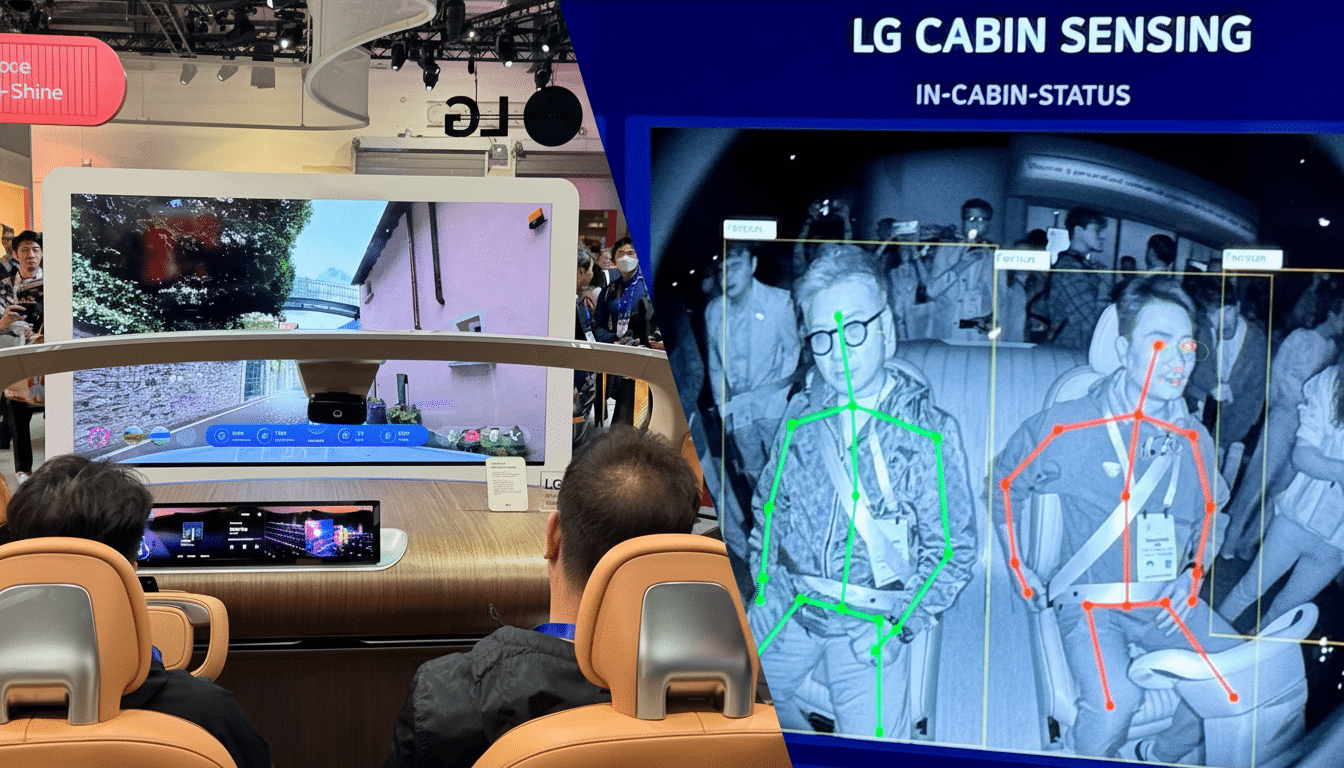
Automotive news will zero in on advanced driver assistance and the road to Level 3 features on highways. It wouldn’t be CES if Sony Honda Mobility’s Afeela project wasn’t turning heads — especially after the gamepad-controlled demo — and it’s sure to reappear with developments around in-cabin entertainment, safety stacks, and human-machine interfaces.
And Mobileye, a leading indicator of autonomy, is slated to articulate its vision for the future of perception, mapping, and compute. Look also for lidar and radar vendors to aim for smaller, cheaper sensors, and chipmakers to hawk automotive-grade platforms that can handle the perception and planning workloads at lower power. The takeaway: autonomy is getting modular and upgradable.
Chips power the AI PC — and beyond across devices
Semiconductor news will be loud. And look for GPU makers to discuss ray tracing gains for gamers (and where they intersect with AI creation tools). CPU makers will push hybrid architectures and larger caches for more responsiveness, while new laptop platforms pledge all-day battery even when local AI features are enabled. Qualcomm’s Windows-on-Arm head of steam and the latest x86 designs from AMD and Intel will clash on battery life, app compatibility, and NPU performance.
For creators, that means accelerated video encoders, faster photo pipelines, and firmware tools to cut render times. Meanwhile, for businesses, watch for security baked right into silicon and AI sandboxing protecting sensitive workloads on-device.
Smart home and connectivity coalesce around Matter and Wi‑Fi 7
After years of alphabet soup, the smart home is starting to coalesce around Matter and Thread. Expect more devices that work across ecosystems (you pair it once and, just like the gift of fruitcake, they stay paired), plus cameras and doorbells with on-device AI for fewer false alerts. Energy management is another sleeper hit: intelligent panels, EV chargers, and thermostats that work together to reduce your bills and control peak loads.
Networking will double down on Wi‑Fi 7 with wider channels, multi-link operation, and lower latency. The Wi‑Fi Alliance has worked to ensure certification across the ecosystem, so 2026 is going to resemble less of a spec sheet and more like actual upgrades in mesh coverage and stability, especially for homes that are, at this point, supersaturated with IoT.
XR finds its footing with comfort, content, and accessories
In the fallout of a wave of premium headsets, look for accessory ecosystems to grow: improved passthrough cameras, lighter controllers, and enterprise-focused bundles made for training, design, and remote support.
The pivot is to comfort and content — fewer tech demos, more apps people actually use.
What to watch closely at CES: real ship dates and prices
Two filters sort through hype to find devices that matter at CES: ship dates and prices. The biggest announcements this year will match believable release windows with realistic MSRPs — at least for robots, AI PCs, and EV features. If vendors can meet that bar, 2026 won’t just be another reel of futuristic vaporware — it will be the year that much of it lands in your living room and driveway.
