


Acer came to CES 2026 with hardware that ticks four different boxes: creator-first laptops with new input, an OLED gaming laptop built around top-tier thermals, a crazy-fast esports monitor, and an unexpected esports scooter wearing the Predator brand. All are previews of what PCs and peripherals have in store for the next year, with thoughtful design features instead of headline-chasing gimmicks.
Swift 16 AI Gets Touchy With a Big Haptic Pad
The Swift 16 AI is Acer’s most creator-focused slim-and-light ever, and it begins with what the company calls the world’s largest haptic touchpad. Beyond that, the touchpad features stylus input — a neat bit of fun that turns precious palm rest real estate into a sketch surface for quick wireframes, brush work, and timeline edits without having to reach for your tablet.
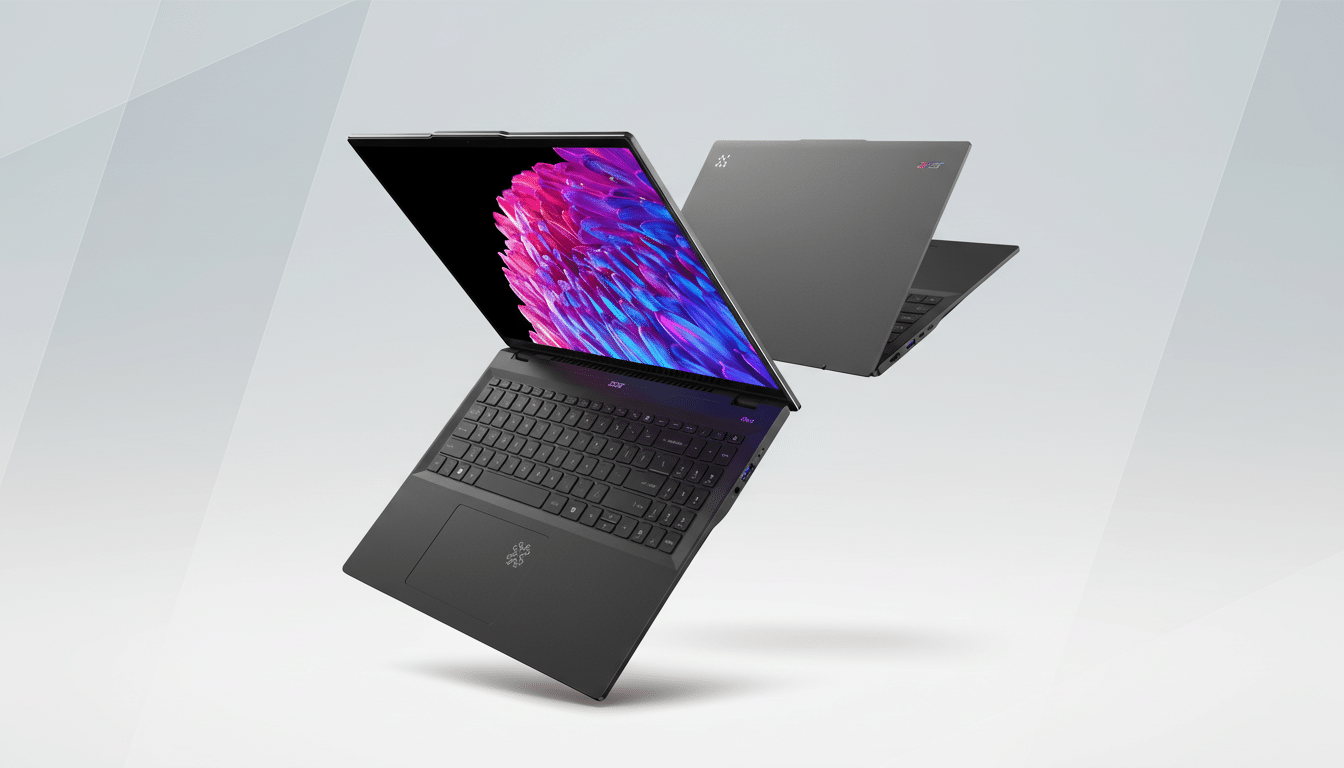
At its heart is a 16-inch 3K OLED touchscreen, with inky blacks and fine-grained color control — the things creators tend to care about when grading or proofing. Acer says the Swift line is imbued with on-device AI features through Microsoft Copilot, indicative of where notebook workflows are going. Pricing was not shared, but the positioning is clear: This is the flagship portable canvas for digital artists and video editors.
Predator Helios Neo 16S AI Weds OLED With Next-Gen GPU
For gaming, the Predator Helios Neo 16S AI is powered by an Intel Core Ultra 9 processor and Nvidia’s GeForce RTX 5070 Laptop GPU, along with up to 64GB of RAM and up to 2TB of storage. The spec sheet is a sort of checklist for high-refresh esports and cinematic AAA games alike.
It’s the 16-inch OLED panel with HDR support that sets it apart. The OLED’s near-instantaneous response times mitigate blur in fast action, while HDR brings out highlight detail in scenes that get washed out by LCDs. That combination seems more reasonable in 2026 than it did a few years ago; panel makers have improved power management and burn-in mitigation, and reviewers at outlets like Rtings have repeatedly demonstrated OLED’s advantage in contrast and response when gaming. Anticipate cooler thermals and less intrusive fan profiles under normal loads, with the headroom to surge once a match calls for it.
The Predator XB273U F6 Pushes 500Hz (and a 1000Hz twist)
If you’re only in it for the latency, the Predator XB273U F6 is the monitor to beat. It can push all the way to 2560×1440 at a blazing-fast 500Hz, and then scale down to 720p for a frankly crazy-high 1000Hz — no, that’s not a typo; it means Acer has included a mode made for pro-level aim trainers and esports titles, where resolution is an afterthought next to input timing.
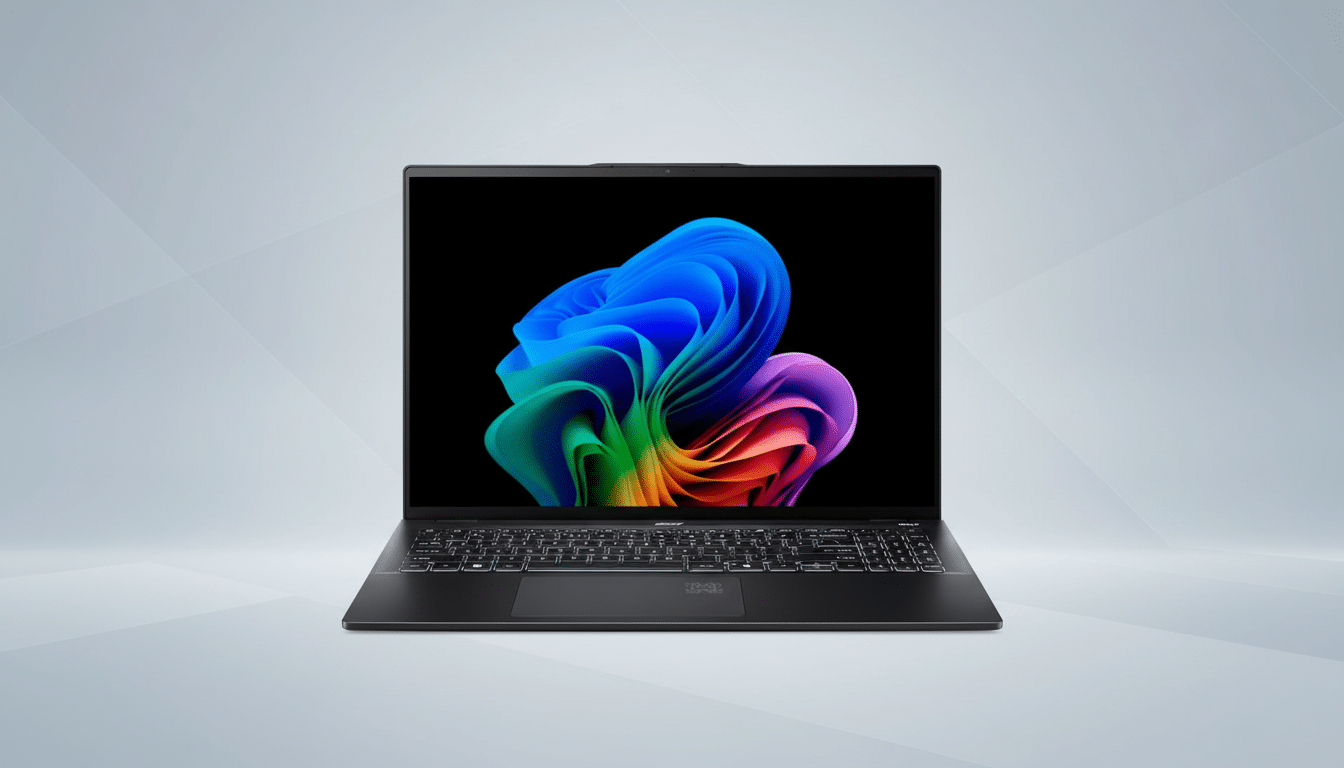
At $799.99, it’s competitively priced for a specialty display. The closest we’ve gotten to proof is Valve’s Steam Hardware Survey, which has historically revealed that the majority of gamers are playing at lower refresh rates — but for esports competitors and aspiring pros, every millisecond counts. With low-latency-enhancing tools from GPU vendors in the mix, ultra-high refresh rates could reduce degrees of frame-to-photon latency. It’s not going to turn you into a pro overnight, but it does take away some excuses — particularly in games already capable of easily breaking four-figure frame rates at lower resolution.
Predator ES Storm Pro Joins the Micromobility Movement
An e-scooter covered in Predator livery may seem like a CES gimmick, but the Predator ES Storm Pro looks to cover a real use case: quick city hops between campus, office, and events (and tournaments). Acer announced initial availability in Europe, a sensible move considering the region’s growth of bike-lane networks and steady micromobility adoption, as observed by European transport departments as well as market analysts.
Acer’s teaser wasn’t about the specs, but this branding tells us plenty. Predator has expanded from PCs to peripherals to room-scale gear; by adding a scooter, the suggestion is of a lifestyle ecosystem where your gaming brand goes with you. It’s also a logical extension for venues that are home to esports infrastructure, where compact, electric last-mile transit can help staff and competitors more quickly move people and equipment back and forth.
On the whole, those four launches trace a broader strategy for Acer: leaning into OLED where it counts, doubling down on tactile inputs for creators, chasing meaningful latency gains for competitive gameplay, and meeting customers off the desk. And with more Swift and Nitro versions, ultrawide QD-OLEDs, and a 4K RGB laser projector also waiting in the wings, Acer didn’t just turn up to CES — it set a tempo and everyone’s going to be trying to keep up all year long.
