


Right now, an 8TB FileLu Cloud Storage Premium Plan is on sale for $649.99, down from its regular price of $1,600—making a massive-capacity cloud tier more attainable than ever at over 50 percent off.
For creators, small teams, or families trying to manage 4K video, RAW photos, or sprawling archives, that kind of discount changes the math when it comes to long-term storage.
There may be something to it: The surge in cloud usage is also part of a broader trend. Gartner says spending on public cloud services is approaching $700 billion; IDC recently said the global datasphere is still on a steep swing upward. For end users, that boom is felt in the form of bigger video files, burlier app backups, and a more voracious appetite for a storage system that’s fast, secure, and easy to access across gadgets.
What you get with the 8TB plan and key features
The premium tier for 8TB users offers many upload options via web interface, FTP/FTPS, WebDAV, Rclone, API, and URL ingestion, as well as a FileLuSync desktop app. That flexibility enables you to add files from just about any workflow or device without changing how you already work.
There are no file size limits, and a bulk upload feature is included—which comes into play when you’re moving multi-gigabyte project files or full archives. Automatic folder backups can be scheduled, shared folders make collaboration easy, and speeds are smoothed by a global CDN to keep downloads fast for teammates and clients anywhere.
On the security side, transfers are secured by SSL and files are stored encrypted at rest. For users who require a zero-knowledge model, there is the option to turn on Secure SoloCypher Encryption, which does not store your content in a readable format—only you have the decryption key—a standard concern for sensitive client work (or regulation-heavy industries).
How the pricing compares with popular consumer plans
At $649.99 for 8TB, the cost works out to approximately $81 per terabyte at the sale price (around $200/TB at full price). Mainstream consumer plans, by comparison, generally price 2TB at about $100–$120 per year; Google One’s 2TB plan is $99.99 per year, and individual Dropbox plans that offer 2TB hover around $120 a year each. If you need 8TB for multiple years and can get a large-capacity plan on sale, that might be worth the bargain—especially as many providers market higher tiers in business-owned territory.
There are also “lifetime”-style deals from other vendors that come up during sale events, but the terms can vary greatly. It’s important to read the fine print around renewal, account limits, or fair-use policies. But what stands out here is the marriage between plenty of capacity, multi-protocol support (including Rclone and WebDAV), and the collaboration capabilities offered at a once-in-a-lifetime price point.
Performance and security notes for power users and teams
A worldwide CDN should provide good download performance for distributed teams and their clients. For power users, native Rclone and WebDAV support lets you wire the service into scripts, NAS devices, and backup routines (good for either automated offsite copies or versioned archives).
Client-side encryption does mean you’ll miss out on some modern conveniences (like server-side previews or deduplication), but this is a familiar compromise among zero-knowledge providers. Best practice is still: Turn on two-factor authentication, maintain a safe copy of recovery keys, and document your backup-and-restore process so you can recover quickly under pressure.
Who should consider it for large media and backups
It’s especially useful for video creators, photographers, designers, and CAD users. To put that in perspective, 8TB can store around 2 million 4MB photos or over 180 hours of 4K video encoded at a rate of 100 Mbps. For freelancers and boutique agencies, shared folders and direct links are used to deliver directly to clients without having to ship drives or juggle multiple services.
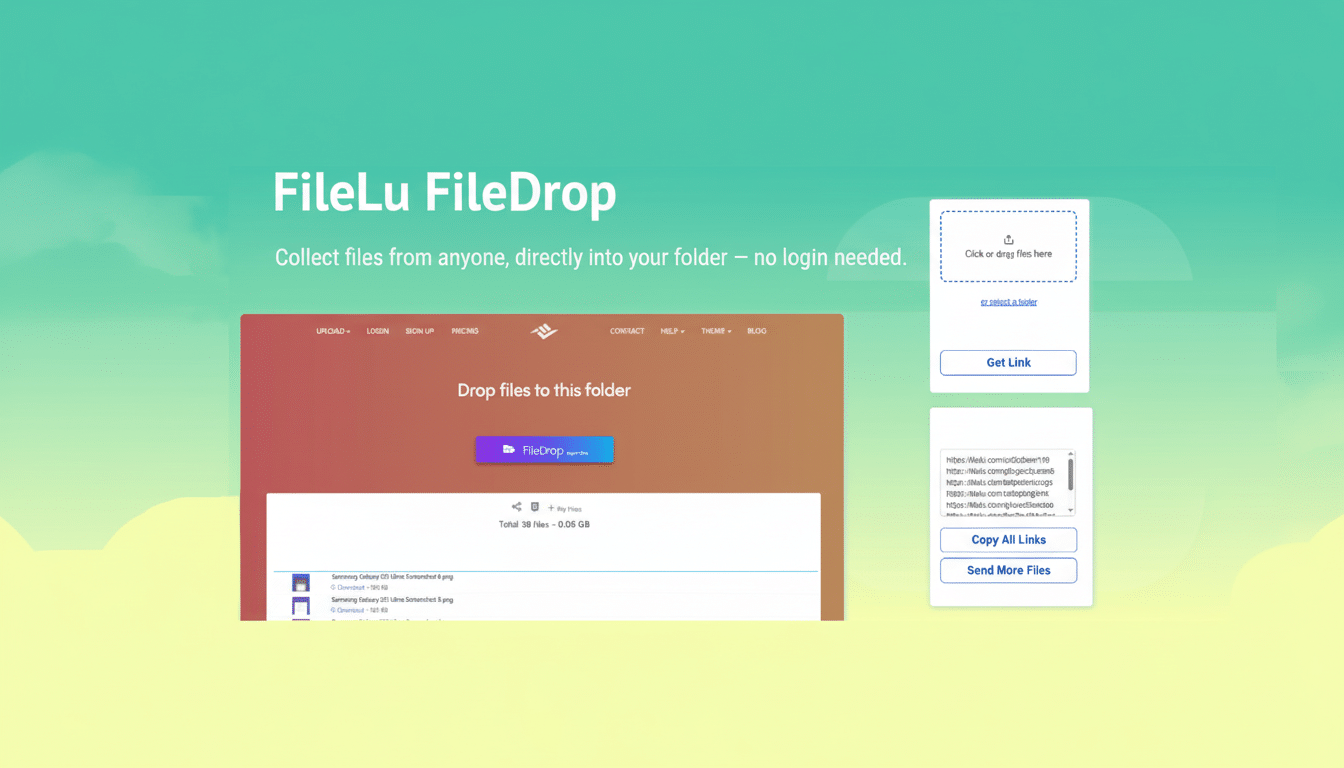
Households, meanwhile, get a lot of value: Unlimited devices allow families to easily consolidate media libraries, phone backups, and school projects in one place; FileDrop makes it easy for cousins to send you large files without creating new accounts or struggling with email limits.
What to look for before you buy and key plan terms
Validate the duration and terms of the plan, including any fair-use language, data egress rules, file versioning, or support responsiveness. Plan stacking is also possible if you anticipate needing more than 8TB of expandable storage (codes can be stacked). And keep an eye out for data export tools and protocols (FileLu offers support) so that you can take your stuff with you if or when you change.
The bottom line: More than half off its list price, this 8TB premium plan offers impressive capacity, support for advanced protocols, and solid security choices—all at a great value. It’s a timely way for users who are bumping up against the limits of standard 2TB consumer tiers, or facing latest-generation business fees for larger volumes, to scale up without committing to higher recurring charges.
