


Rodents can enter your home through gaps that may be easy to miss. A small opening near a door, pipe, vent, or foundation can give mice or rats a way inside. Once indoors, food, water, warmth, and quiet spaces can give them more reasons to stay. As these conditions can be found in many homes, keeping rodents out starts with making your home less inviting.
The good news is that you can take simple steps to reduce the things that may attract rodents. Sealing entry points, securing food, removing water sources, clearing clutter, and keeping outdoor areas tidy can all help prevent rodent problems. Regular checks around your home can also help you find small issues and address them early.
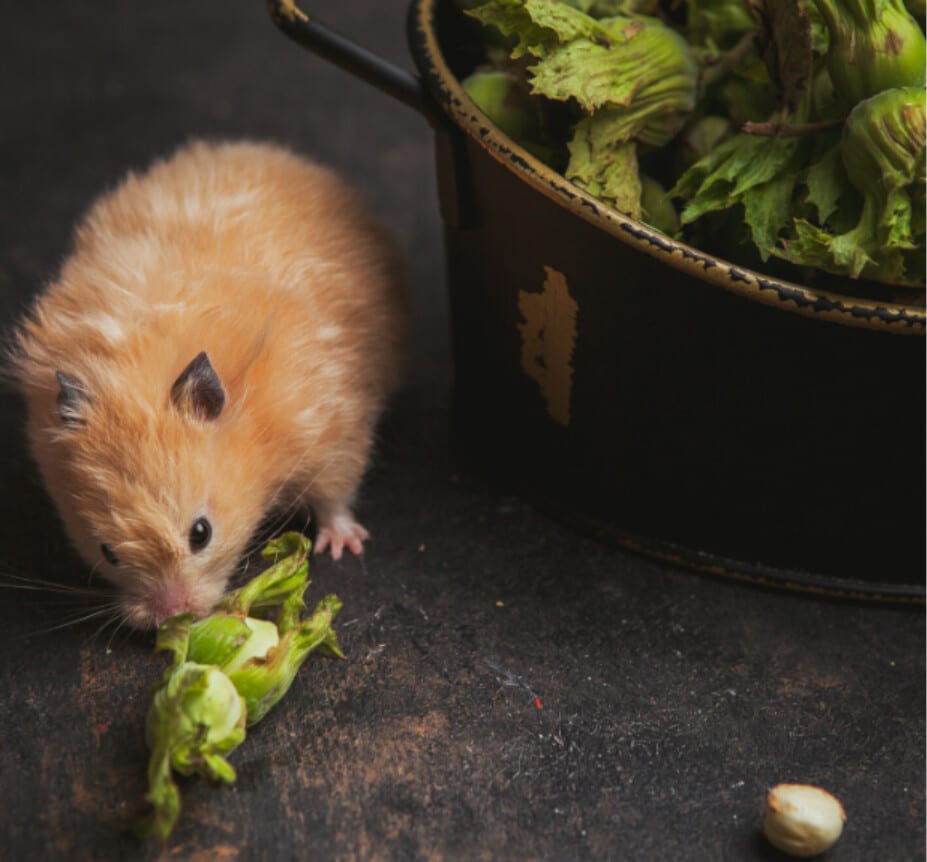
By making a few simple changes around your home, you can reduce common reasons rodents may enter or stay on your property. The following five tips explain practical ways to prevent rodent activity and keep your living space less inviting to pests.
1. Seal Gaps Around Your Home
Start by checking the outside of your home for small openings. Look around doors, windows, vents, pipes, utility lines, foundations, garages, and crawl spaces. Rodents can use small gaps to get indoors, so even a narrow opening deserves attention.
Use suitable materials to close cracks and openings around your home. Check door frames and garage doors for gaps, and make sure doors close properly. You can also inspect areas where pipes or wires pass through walls because those spots may leave openings.
Check these areas regularly, especially after storms, repairs, or other changes around your home. However, if you continue to notice signs after sealing possible entry points, you may need professional help finding where rodents are getting inside or dealing with continued pest activity. A provider such as B&T Pest Control offers customized solutions for indoor and outdoor pest concerns when basic prevention steps are not enough.
2. Keep Food in Sealed Containers
Food can make your home more attractive to rodents. Pantry items, pet food, crumbs, and food waste can all provide easy food sources when left exposed.
Store dry foods in containers with tight-fitting lids instead of leaving open bags or boxes in cabinets. Clean crumbs and spills soon after meals, and wipe down counters and other food preparation areas. Keep pet food in sealed containers and avoid leaving food bowls out overnight.
Trash can also attract pests when food waste is easy to reach. Use containers with secure lids and remove household waste on a regular basis. Keeping food stored and waste contained can reduce easy food sources around your home.
3. Remove Easy Water Sources
Rodents need water, so moisture around your home can make the space more appealing. Check for leaks under sinks, around toilets, near appliances, and in other areas where water may collect.
Fix leaking faucets and pipes as soon as you notice them. Dry damp areas and remove standing water from places such as garages or other low spots around your property. You should also check outdoor areas after rain for water that remains in containers, low spots, or other spaces.
After you remove standing water and fix leaks, good drainage can also help limit moisture around your home. Clean gutters and drainage areas so water can move away from your property. Reducing easy water sources is another simple step that can make your home less attractive to rodents.
4. Clear Clutter from Storage Areas
Quiet, cluttered areas can give rodents places to hide and build nests. Garages, attics, basements, sheds, and storage spaces deserve regular checks, especially when boxes and other items remain untouched for long periods.
Keep stored items organized and off the floor when possible. Limit piles of cardboard, paper, fabric, and other materials that could provide nesting material. Use sturdy storage containers with secure lids instead of leaving loose items in open boxes.
Regular cleaning also makes it easier to spot signs of rodent activity. Look for droppings, gnaw marks, nesting material, or damage to stored items. Finding signs early gives you a better chance to address the source before activity spreads to other parts of your home.
5. Keep Outdoor Areas Tidy
Your yard can affect what happens inside your home. Tall grass, thick plants, piles of leaves, firewood, yard waste, and other outdoor materials can give rodents places to hide near your property.
Keep grass and weeds trimmed around your home. Store firewood away from exterior walls, and move piles of debris or unused materials away from the house. Outdoor trash containers should also have secure lids to limit access to food waste.
Once your yard is cleaned up and hiding spots are reduced, take time to inspect sheds, decks, garages, and other outdoor structures for gaps or damage. Pay close attention to areas close to your home’s foundation. A tidy yard with fewer hiding spots can make it harder for rodents to remain close to your home.
Bottom Line
Rodent prevention starts with a few simple habits that work together to protect your home.
By sealing gaps near doors, windows, pipes, vents, and foundations, and by keeping food in sealed containers while removing easy water sources, you reduce what attracts rodents in the first place. Clearing clutter from storage areas and keeping outdoor spaces tidy also helps limit places where they can hide.
Regular checks can help you spot droppings, gnaw marks, nesting material, or possible entry points before rodent activity grows. If signs continue after you take preventive steps, professional pest control can help identify the source and address the activity.
By making your home less accessible and less attractive, you can take practical steps toward keeping rodents out.

