


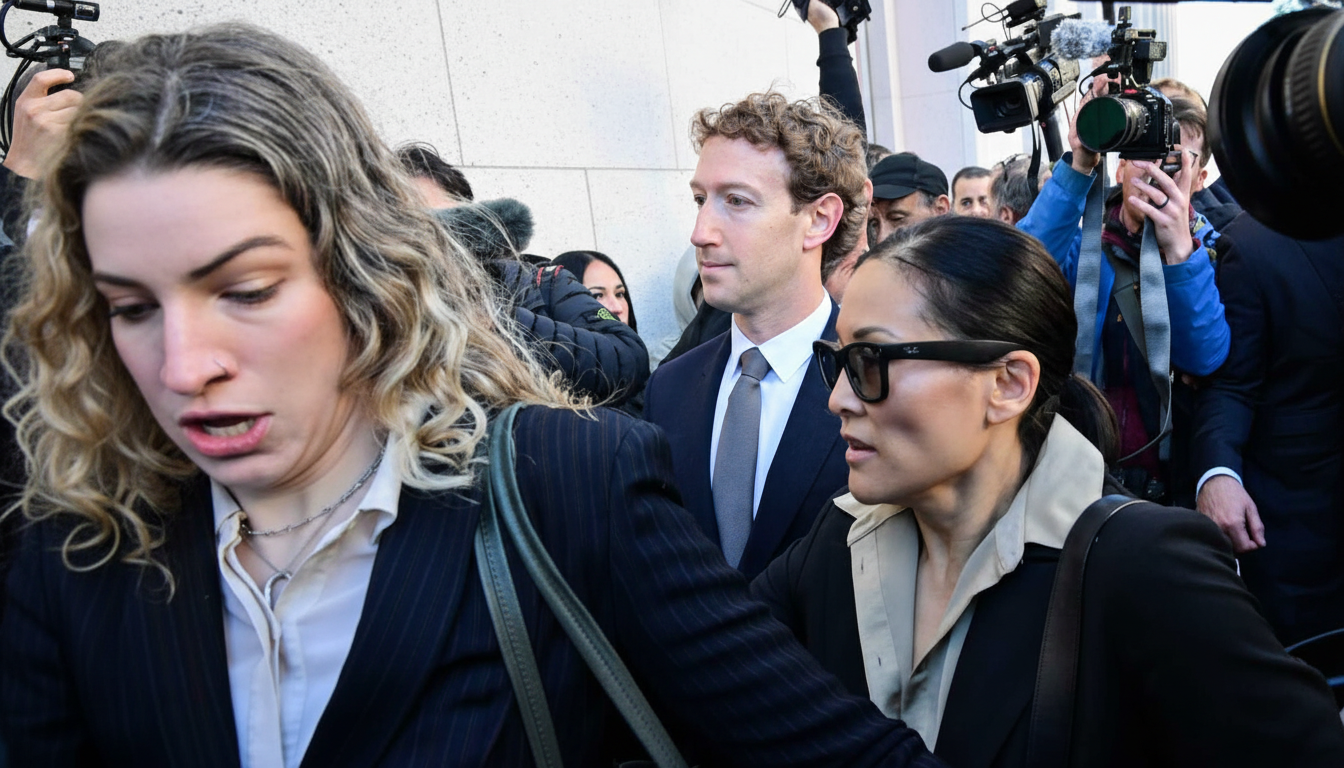
Meta CEO Mark Zuckerberg faced pointed questioning in a high-stakes courtroom showdown over whether Instagram’s design and business decisions have contributed to addiction and mental health harms among teens. The civil jury trial, brought by a young adult identified as KGM, is testing the core of Big Tech’s defense: that social platforms reflect, rather than drive, youth distress.
Inside The Landmark Trial Probing Instagram’s Teen Impact
Attorneys for the plaintiff pressed Zuckerberg on internal directives and product choices, zeroing in on evidence that Instagram teams were encouraged to increase time spent on the app. In court, an email chain from 2015 was cited in which Zuckerberg pushed for a 12% rise in time-in-app, contradicting earlier public testimony suggesting engagement was not a targeted KPI for staff. Meta’s lawyers argued the correspondence was cherry-picked and lacked context.
The case also scrutinizes Instagram’s cosmetic “beauty” filters, which internal experts at Meta warned could distort body image and be especially harmful for adolescents. Lawyers presented documents indicating Meta knew large numbers of under‑13 users were present on Instagram despite age restrictions. One 2018 internal estimate suggested that, as of 2015, roughly 4 million children under 13 had accounts, including about 30% of U.S. 10‑ to 12‑year‑olds.
Zuckerberg acknowledged that policing age on the open internet is difficult, pushing responsibility partly toward device-level solutions. He pointed to smartphone-level age assurance tools recently introduced by platform gatekeepers as a promising path, while maintaining that Meta invests heavily in detection signals and parental controls.
Evidence Under The Microscope In Meta Teen Harm Case
A central thread in the trial is whether Meta knew, or should have known, its products could fuel compulsive use among teens. Internal research cited in court suggests parental supervision alone did little to curb overuse, particularly among adolescents experiencing trauma. That finding echoes concerns raised by the U.S. Surgeon General, who has urged tech firms to “prioritize safety by design” and called for independent data access for researchers.
The plaintiff’s team is leaning on a familiar pattern: engagement-optimized feeds, endless scroll, algorithmic recommendations, and cosmetically altering filters that could intensify social comparison. Academic studies have linked heavy social media use with increased risks of poor sleep, anxiety, and body dissatisfaction, though causality remains contested. Pew Research Center reports that teen social media use is near-universal—YouTube reaches about 95% of U.S. teens, while Instagram and TikTok each draw a majority—which means even small risk increases can affect millions.
Meta’s Defense And The Evolving Industry Context
Meta’s legal team has argued that the plaintiff’s difficulties stem from adverse childhood experiences and broader societal pressures, not Instagram in isolation. They highlight investments in safety features, default protections for minors, and tools that nudge users to take breaks. Meta maintains that the bulk of research shows mixed or small average effects of social media on teen mental health, a view echoed by some scholars who find wide variability by individual and context.

The courtroom dynamics are broader than Meta alone. The plaintiff originally sued multiple platforms; TikTok and Snap settled earlier, while YouTube and Meta chose to fight. That split underscores the growing legal and regulatory exposure facing social apps. In parallel, several U.S. states have advanced youth online safety laws and age-assurance mandates, and device makers have begun rolling out system-level controls to help verify age and enforce parental settings.
The Broader Public Health Questions Raised By Trial
Public health leaders are increasingly framing youth online safety as a systemic design problem rather than a purely individual one. The Surgeon General’s advisory has urged platforms to share data with independent researchers and to disable features that “exacerbate social comparison, body dysmorphia, and fear of missing out” for young users. Clinicians, meanwhile, point to sleep disruption—amplified by late-night scrolling and notifications—as a mediator of mental health risk.
Critics say that if internal metrics rewarded session length and daily active use, then harm-mitigation features were at times in tension with growth incentives. Proponents counter that engagement does not inherently equal harm and that social media can provide community, especially for marginalized teens. The evidentiary question for jurors is whether Instagram’s design crossed the line from sticky to unsafe—and whether Meta’s leaders knew as much.
What To Watch Next As The High-Stakes Trial Continues
The verdict could reshape platform design and compliance obligations. An adverse outcome for Meta might accelerate federal standards around age assurance, data access for researchers, and feature restrictions for minors, while catalyzing additional settlements across the sector. Even without a regulatory overhaul, the discovery record and testimony are likely to influence product roadmaps, audit practices, and investor expectations on safety benchmarks.
In court, Zuckerberg largely stuck to prepared themes—context matters, age verification is hard, and Instagram is safer than it once was. The open question is whether jurors will accept that framing in light of internal emails, product data, and expert testimony that paint a more conflicted picture of how growth targets, teen engagement, and well-being intertwined behind the scenes.
