


Smart glasses, for the first time ever, felt grown-up on the CES 2026 floor. And after years of promising demos and unwieldy prototypes, a handful delivered real value and polished experiences. Xreal raised the bar for AR displays, TCL advanced image quality at a price that will squeeze everyone in the category, and Even Realities delivered an example of day-to-day utility when translation, prompts, and navigation are spun within a subtly stylish frame.
Xreal Takes AR Displays Into High-Performance Gaming
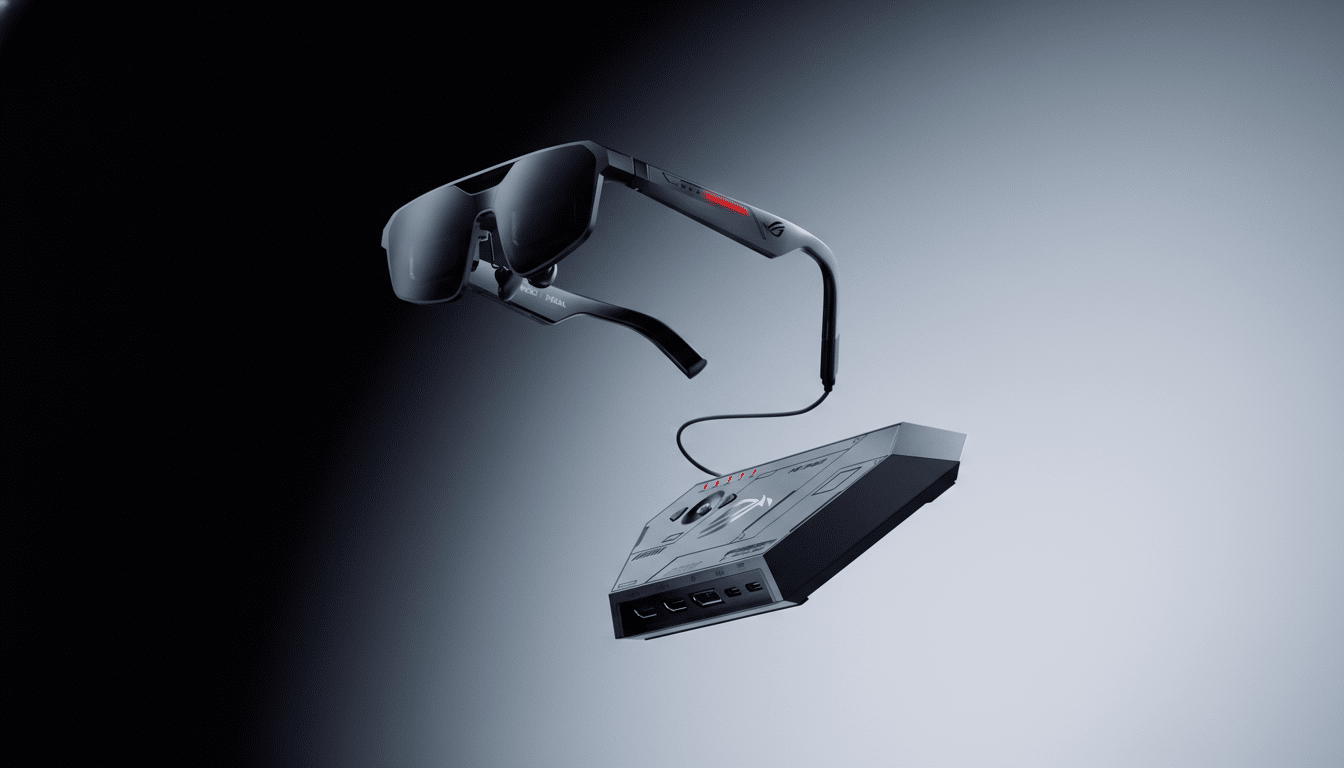
Lines at Xreal’s booth were reminiscent of those typically reserved for flagship phones. The company even showed off ROG Xreal R1 gaming glasses featuring 1080p micro‑OLED panels with an insane 240 Hz refresh rate. In real-world use, that high refresh rate results in almost no motion blur or latency — fast cameras in games like Forza Horizon and Elden Ring feel just as natural on a giant floating screen sized up to a claimed 171 inches.
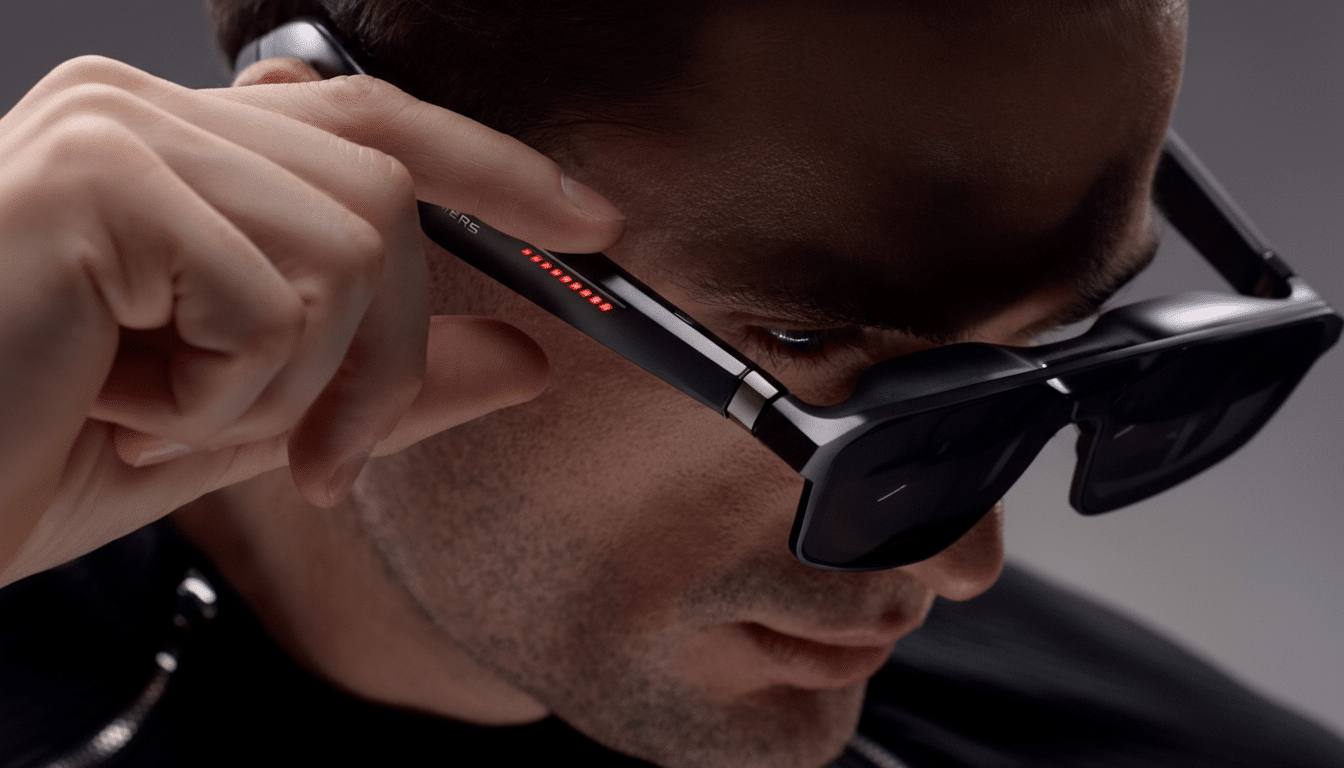
This is an enthusiast-focused product aimed very squarely at enthusiasts, but it shows what AR displays can do when optimized for performance. Xreal said the R1 is coming out in 2026 and suggested a high price. The rest of Xreal’s lineup, though, is already opening up access. A new Xreal 1S will now come in at a lower price point with improved optics, while the One Pro doubles as a productivity screen that you can use on a plane without having to compete with tray-table ergonomics.
Most interesting of all is Xreal’s over‑the‑air Real 3D conversion for the 1S and One Pro. It turns any 2D content into 3D on the fly, whether it is your favorite social media sites or videos, games, and movies. The effect isn’t going to replace native 3D content for purists, but it adds a surprising amount of depth and sense of presence that I found most AR viewers lacking. It’s also a smart way of making today’s huge existing 2D libraries feel fresh the day it hits.
TCL Ups the Ante on HDR for Value Shoppers
TCL’s RayNeo Air 4 Pro arrives with a simple premise: Better, bolder, brighter images at a price point most buyers can rationalize. The HDR display pops even in bright, crowded halls while retaining depth and dimensionality under mixed lighting, unlike other glasses that wash out. Priced at $299, it undercuts many of its competitors while offering an image that resembles a premium laptop panel more than it does a second‑screen accessory.
That matters because display clarity is the difference between a toy and something you use for two hours straight. HDR increases dynamic range in darker scenes and UI elements are cleaner, text is more legible, and less abrasive to the eyes. For commuters, students, and streamers, the Air 4 Pro establishes a new floor for what entry‑level AR viewing should be.
Even Realities Nails Everyday Utility and Design
It may not be new this week, but the Even Realities G2 provided the most well-rounded ‘daily driver’ experience on the show floor. The heads‑up display is simple and clean; there’s no shouting about the gear you have. In demos, the live translation kept pace with a two‑way conversation in Italian and English, dishing out rapid, readable captions so small talk could be exchanged and specific nouns — Formula 1 teams, names of drivers — were easily followed.
The G2 presents an even more compelling case by offering teleprompter mode and turn‑by‑turn overlays for presenters, on‑camera talent, and those who travel often. A low-profile, ultra-slim design helps it look something like normal eyewear, as does its optional smart ring, which delivers tactile control without having to fumble for small temple buttons. And at $599, it hits the sweet spot of providing premium capability without being too heavy or bulky to want to wear every day.
Other Notable Smart Glasses and Wearables to Watch
MemoMind, a brand under incubation by XGIMI, showcased several models such as the Memo One and the Memo Air Display. At its core is a lightweight offering for navigation, teleprompter, and live translation with an AI layer that can access several large language models depending on the task. If the execution delivers on the demo, such use of modularity — monocular or dual display options, integrated audio onboard — allows for buyers to tune to features rather than overpay for never-used extras.
Rokid released new AI display glasses with a built‑in camera that can describe your environment and answer context-aware questions. Starting at $299 each, they walk the same “see what I see” use case established by camera‑equipped wearables, but with early translation quality in side‑by‑side demos falling behind Even Realities.
At the other extreme, Povec Optics’ C1 electrochromic sunglasses abandon cameras and speakers entirely. A touch strip allows you to instantly change the tint, taking bright expo floors and turning them into a comfortable space with just a swipe of your finger. It’s a reminder that “smart” can also include solving one problem elegantly.
For price-conscious audio‑first wearables, Lucyd is still pricing frames like standard eyewear — with some starting at around $99 online — and the sportier models begin at about $179. Built-in speakers and voice control just make sense for job sites and workouts where earbuds are not an option, and the Reebok-branded sport line suggests a maturation of aesthetics beyond generic black rectangles.
Which Smart Glasses Are Right for Your Needs
Pick Xreal and get the best visual performance today, and a clear path to high‑refresh gaming tomorrow. Opt for TCL’s RayNeo Air 4 Pro if value and high dynamic range — plus the least eye strain possible for movies, classes, and long work stints — are your main concerns. Even Realities is the choice if you want a subtle, refined HUD for translation, scripts, and navigation that looks just like everyday eyewear.
Two quick buying notes from the floor: many of these glasses depend on USB‑C video output, so ensure that your phone, handheld, or laptop supports DisplayPort Alt Mode — or that you have an adapter accordingly. (And if you intend to wear them for hours at a time, fitting and nose‑bridge comfort are just as much a matter of fit and comfort as specs.) The best AR display is the one you can wear.
The headline out of CES was that smart glasses have grown up. Along with Xreal pushing the state of the art in display tech, TCL redefining what entry‑level value means, and Even Realities building real‑world utility, 2026 reads as if it’s going to earn a place in everyday bags — and on actual faces.
