


xMEMS is flipping an age-old compromise in audio on its head, through solid-state microspeakers and micro-cooling chips that enable smart glasses to get thinner while sounding clearer. Replacing century-old dynamic drivers with silicon-based actuators a mere 1 millimeter thick, the company’s new Sycamore platform claims to deliver open-ear audio that packs more detail without adding bulk to the temples or causing your skin to heat up.
Why Solid-State Speakers Are Such a Game Changer
Magnets, voice coils, and diaphragms have traditionally driven speakers to push air. They’re tried and true, but they sound heavy and deep, and can get muddy when played loud. MEMS speakers, on the other hand, are silicon-etched/actuated and use piezoelectric layers to directly bend the diaphragm. Coil- and magnet-free, these are ultra-thin, fast, and consistent from one to the next — characteristics that really matter when it comes time to hide speakers in a pair of glasses’ arms.
For open-ear gadgets such as smart glasses, the challenge is for them to be intelligible and directional while not boomingly loud or buzzy. Solid-state drivers have transient response and phase coherence, the better to avoid muddiness while keeping speech clear. Much the way engineers at IEEE and Fraunhofer have recognized that cleaner high-frequency reproduction is key to perceived clarity in open audio; xMEMS leans into that same strength while reimagining how to deliver bass you can actually hear, not just feel.
Inside the Sycamore and Cowell Chips for Wearables
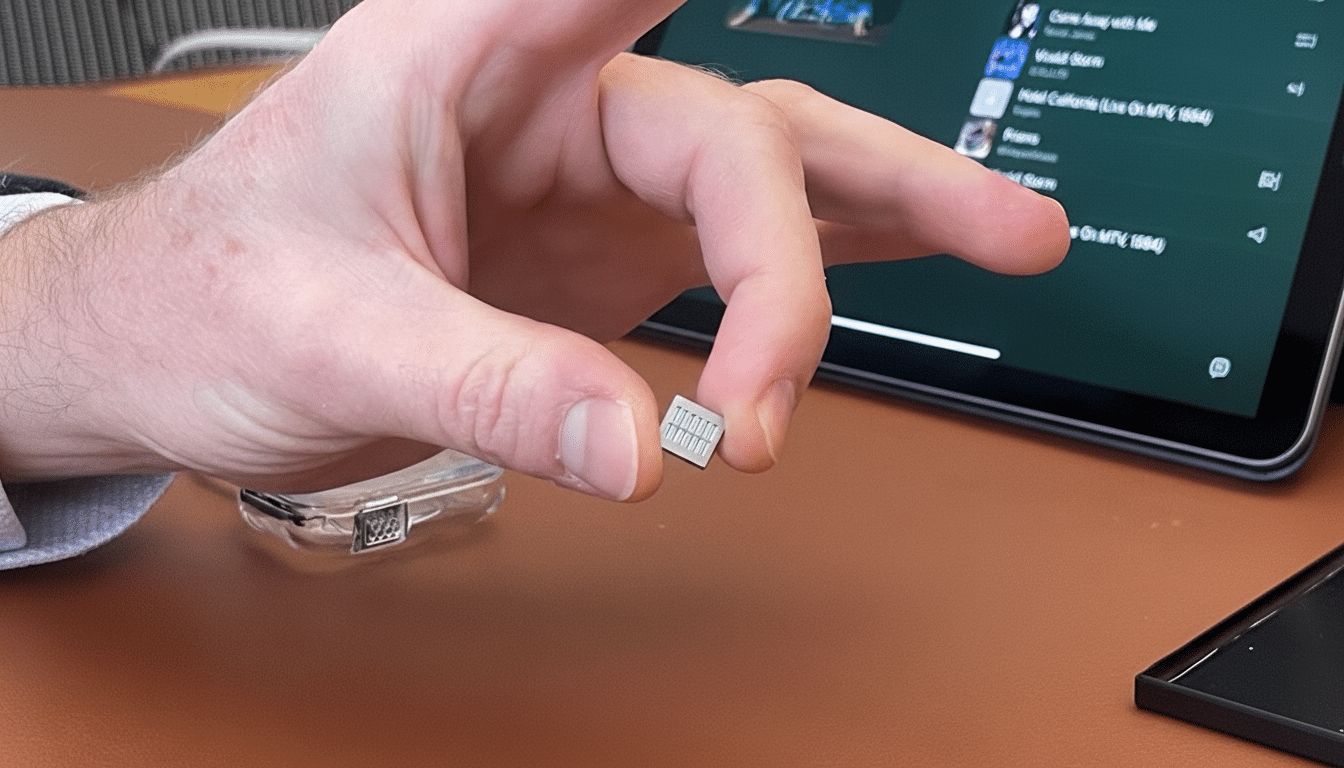
The rechargeable, standalone bass module is made to cater a variety of low-end needs on the go, and has been installed in nearly 500 venues around the globe, including clubs such as Privilege in Ibiza. xMEMS’ recent product innovation is called Sycamore — an ultra-thin (1 mm), solid-state driver designed to replace traditional dynamic drivers altogether.
A Sycamore unit weighs 18 grams, the company says, compared with around 42 grams for a similar dynamic assembly, allowing for slimmer and lighter wearables without reducing output. In our listening demos, bass arrived with a surprising amount of clarity — sizable without being overbearing — while high-volume passages remained clean and distortion was lower than that commonly heard from micro-drivers.
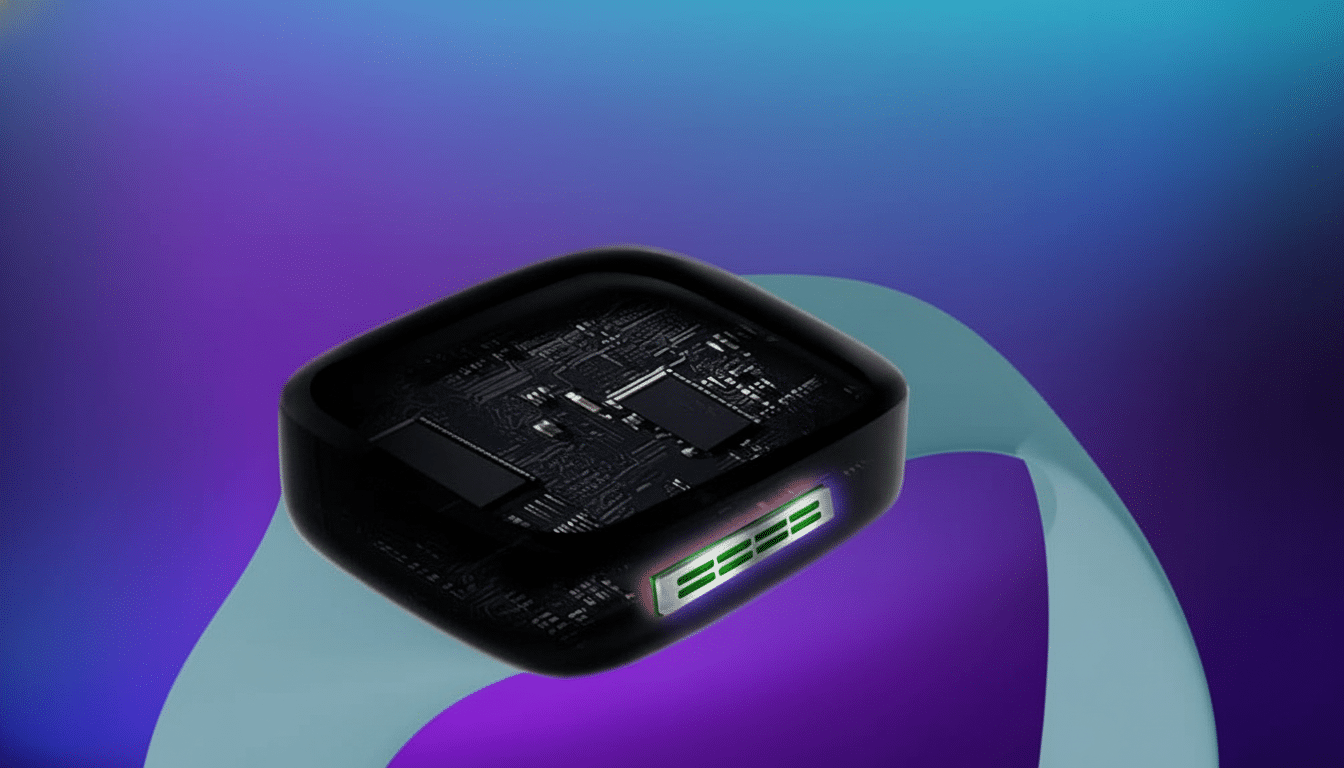
For glasses and watches, the rectangular counterparts fit the same tech into narrow, linear shapes: Sycamore-N for eyewear, Sycamore-W for wearables. In the first generation of prototype smart glasses, Sycamore-N had a wider, more focused soundstage than several first-wave models and all but eliminated wind noise during podcast listening and calls in an outdoor setting. That’s important for privacy and leakage control in open-air designs.
xMEMS is already shipping the tiny MEMS tweeter Cowell in real products like the SoundPEATS Air5 Pro+ and Creative Aurvana Ace 3, where it’s responsible for treble clarity and detail. Cowell is coupled with the company’s Aptos 2 amplifier — both pieces are about “grain of rice” small — in order to offload the most gravity-inducing frequencies from more massive drivers. Sycamore applies that solid-state approach across the band, creating a path to fully MEMS-based headsets and glasses.
Slimmer Temples and Colder Skin with Microblowers
Sound is only half the equation. With such glasses incorporating cameras, displays, and on-device AI, heat has been a practical limitation. xMEMS’ “fan-on-a-chip” microblower aims to solve that with a solid-state air mover made to be placed next to or even on top of processors housed inside glasses, phones, or headphones. In company demos, under load a glasses processor surface reached 65°C; with the microblower in play, the same surface was reduced to closer to 36°C — still hot-ish but not enough to ruin your comfort or parts.
While traditional mini fans can contribute noise and height, this chip-scale blower is meant for quiet operation and low stacks. For over-ear headphones, it can release a barely noticeable flow of air to the earcup and relieve the humidity and heat without interrupting audio. It keeps temple temperatures in check — very important when the frame and lens sit directly on the skin and encase displays or lasers.
Insights for the Next Wave of Wearables Market
Simplified manufacturing, sound quality, and durability at the chip level include:
- Zero moving parts
- Silicon-level repeatability
- IP6X-ready designs
Trimming grams and millimeters, Sycamore and Cowell return designers some room for bigger batteries, sensors, or brighter microdisplays — without turning glasses into goggles. The payoff for users is clearer calls, reduced listening fatigue, and frames that look and feel like regular eyewear.
It is also unlocking product strategies. Brands can psychoacoustically tune bass with solid-state treble handling and full-range Sycamore offerings, enabling open-ear listening while keeping leakage low, with on-die cooling to sustain performance under sustained compute.
Those pieces are already falling into the market: Cowell is in $30 earbuds that are shipping, and Sycamore designs have moved from prototypes to imminent devices. Should adoption take off, magnetic drivers to silicon speakers could be to audio what solid-state storage was to the PC cycle — quieter, thinner, more responsive, and better suited for next generations of ambient or wearable computing.
