


Xiaomi has updated its SU7 electric sedan, with an emphasis on safety and a CLTC-cycle range figure of up to 570 miles (917 kilometers). Preorders are live, and the updated lineup will also remain competitively priced, a sign that the company aims to be competitive with more established EV manufacturers rather than repeat first-generation missteps.
Safety Takes Center Stage With LiDAR and More Airbags
Now each and every SU7 comes with a LiDAR sensor system on its roof and Xiaomi’s Hyper Autonomous Driving suite as standard—a big change from optional driver assists to a standard package. The car gets nine airbags (up from seven), backup power for door locks, and structural reinforcements such as steel door anti-collision beams, all of which are standard across the range.
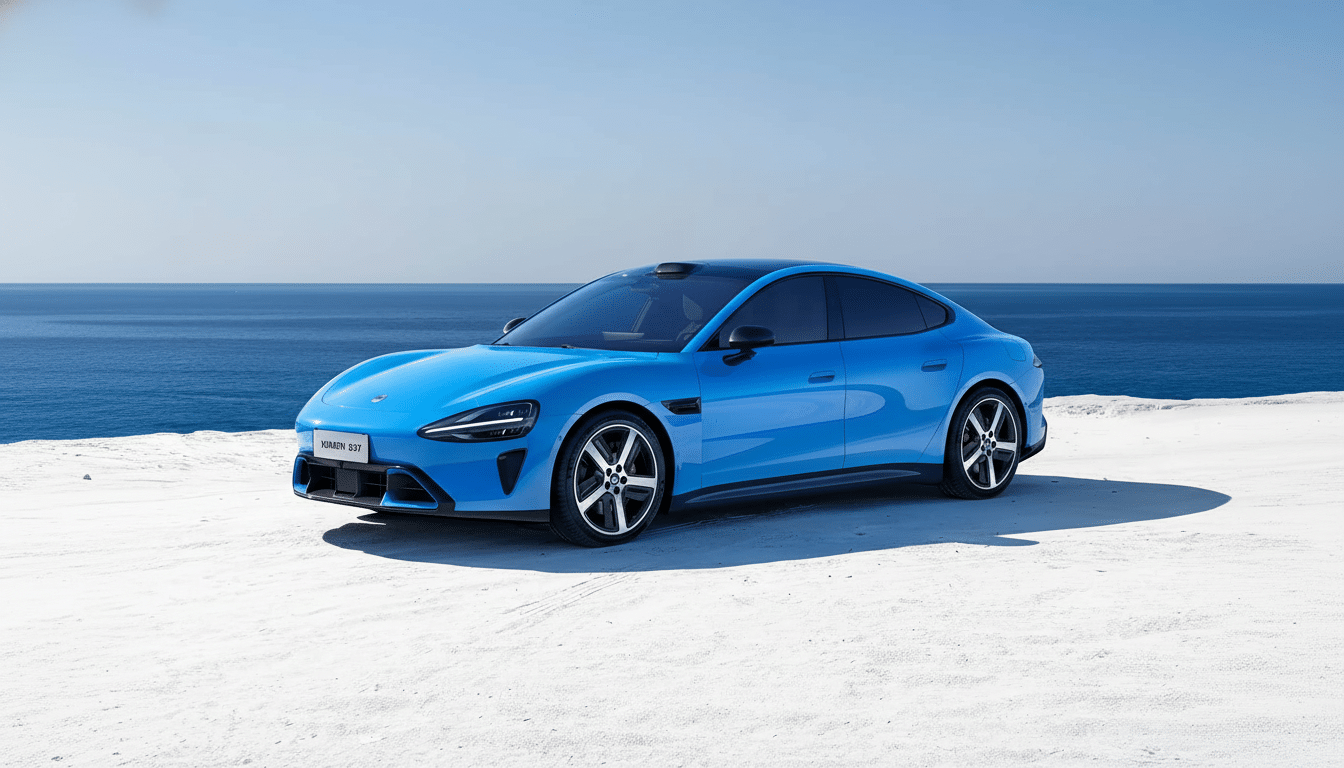
Fleet OODA (Observation, Orientation, Decision, Action) Cycle: A more capable computing system drives an increased rollout of functions for the advanced driver assistance systems going forward, with faster perception and stronger redundancy. This focus chimes with industry data points; the Insurance Institute for Highway Safety says forward-collision warning and automatic emergency braking can reduce front-to-rear crashes by an astonishing 50%, while Euro NCAP has recently shifted its protocols to factor active safety in its assessments with more weight than ever.
The pivot is also reputational. The first series of the SU7 suffered reputational damage due to high-profile incidents. By putting active safety and structural protection front and center, Xiaomi is trying to reset expectations while falling in line with the stricter evaluation standards being borne of programs such as C-NCAP, overseen by the China Automotive Technology and Research Center.
Longer CLTC Range Claims With Real-World Context
Range headlines differ by trim, but you get the idea: longer legs, faster charging. Xiaomi claims about 447 miles of range for the Standard model, around 570 miles for the Pro, and roughly 519 miles for the Max under the CLTC test. The Pro’s real-world highway endurance would still be competitive among midsize electric sedans, even at a 20–30% gap that analysts usually observe when they compare that cycle with EPA and WLTP.
Charging has been improved, with higher peak DC rates and better thermal management for longer fast sessions. China’s charging buildout is happening rapidly, and claims under CLTC seem to be increasingly matched with 800-volt architectures across the industry; Xiaomi’s emphasis on reduced stop times suggests the SU7 is designed to perform optimally with its newest high-power infrastructure.
Powertrain and Chassis Updates for Speed and Comfort
All models now come standard with a new V6s Plus motor. The Standard and Pro trims cap out at 320 hp, while the Max goes to a meaty 690 hp. The Pro and Max feature a dual-chamber air suspension with continuously variable CDC dampers, which promises to more neatly balance body control and comfort over bumpy pavement.
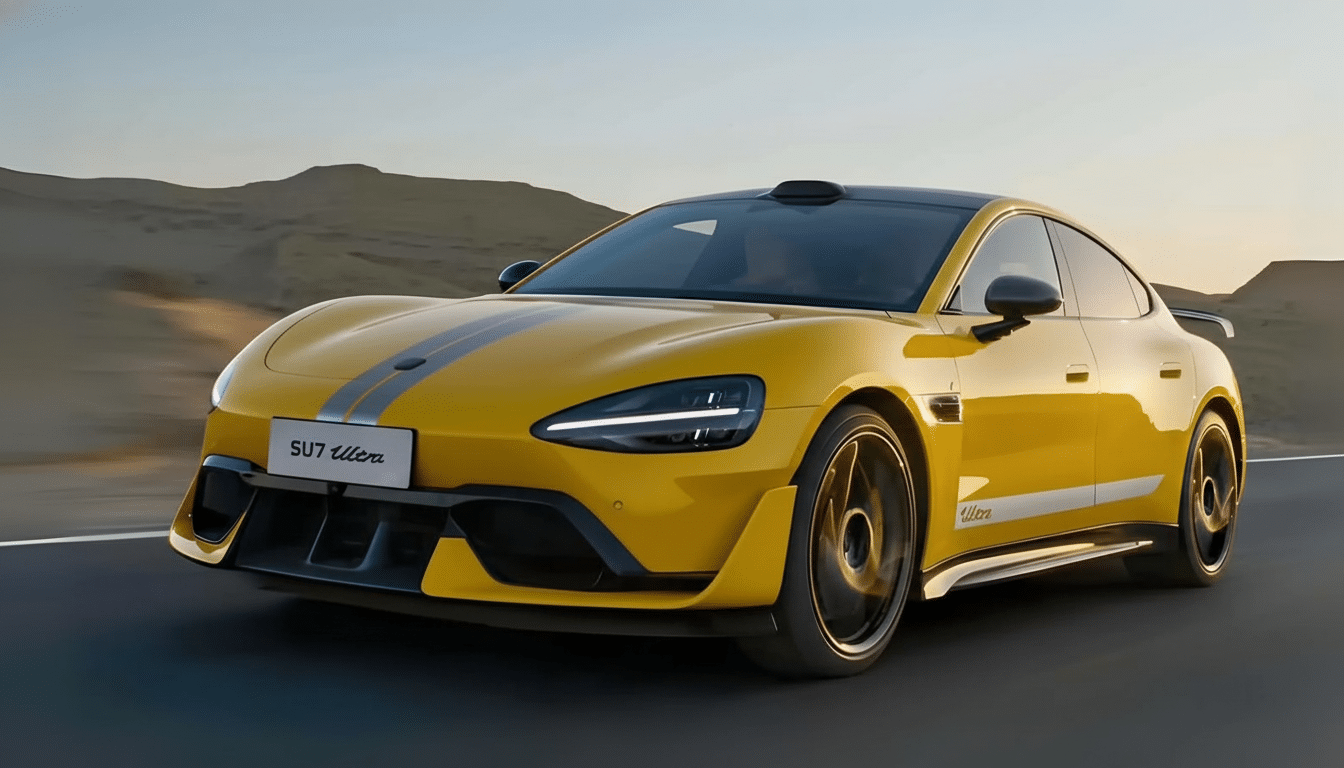
Exterior updates are minor, with a new front grille treatment and wider rear tires to improve traction. Beneath the skin, revisions are more substantial, with targeted stiffening of the structure and a recalibrated chassis that will respond to feedback from early owners and test drivers.
Pricing and Market Position Under Pressure From Rivals
The refreshed SU7 is available from ¥229,900 (approximately $32,856), a price that crept up somewhat compared to its launch figure—but that’s still competitive next to plenty of Western options. That places a squeeze on the Tesla Model 3 and keenly priced homegrown alternatives like BYD’s Seal (with the SU7 now featuring LiDAR as standard, and offering long-range models too).
Battery costs have been trending southward, as analyses from BloombergNEF show, and Xiaomi seems to be passing some of those savings into the spec sheet rather than solely chasing a rock-bottom tag. The result is a value equation based on active safety, software capability, and rated range, rather than sheer sticker shock.
Why This SU7 Refresh Matters to Safety-Focused Buyers
Chinese EV buyers are becoming more focused on assisted driving capabilities as well as safety credentials that have been tested in practice. With CLTC reach and a safety-first spec to match shifting C-NCAP and Euro NCAP methodologies, the SU7 refresh clearly appears calibrated for today’s metrics of trustworthiness and usability.
And so, the big questions now are software maturity and durability. Should Xiaomi be able to provide stable over-the-air upgrades to its HAD system, ensure charging performance remains the same even on congested networks, and show that its SU7 holds up well in independent crash tests, then it could achieve a useful foothold in the intensely contested midsize EV sector.
For shoppers, the math is simple: a safer baseline, longer legs between stops, and a price that still undercuts many benchmarks. If they execute to spec, this refresh will push the SU7 from a ‘promising’ debut to a legitimate mainstream contender.
