


The company has now officially teased the 17 Ultra, confirming a China launch for December 25 in the process and giving us a taste of some headline upgrades that should make camera enthusiasts and power users grin with glee. The early material is pointing towards a reimagined body with a flat display and a slimmer triple-camera system that features a 200MP periscope telephoto as its star, drawing lines in the sand to shift purposefully from lens count to image quality.
Camera hardware becomes the hero with Leica zoom
The headline is the return to three rear cameras, which includes a 1-inch class primary sensor and a Leica-tuned 200MP periscope telephoto. Xiaomi’s teasers focus on larger sensors and optics rather than the sheer number of lenses — a strategy we’ve seen lead to real-world improvements for photos taken with ultra-premium phones this year. A claim on Weibo alleges that the phone will feature a 70–100mm continuous optical zoom — and if true, that would put the 17 Ultra in the small company of devices that have attempted cast-iron optical range without stepping between fixed focal lengths.
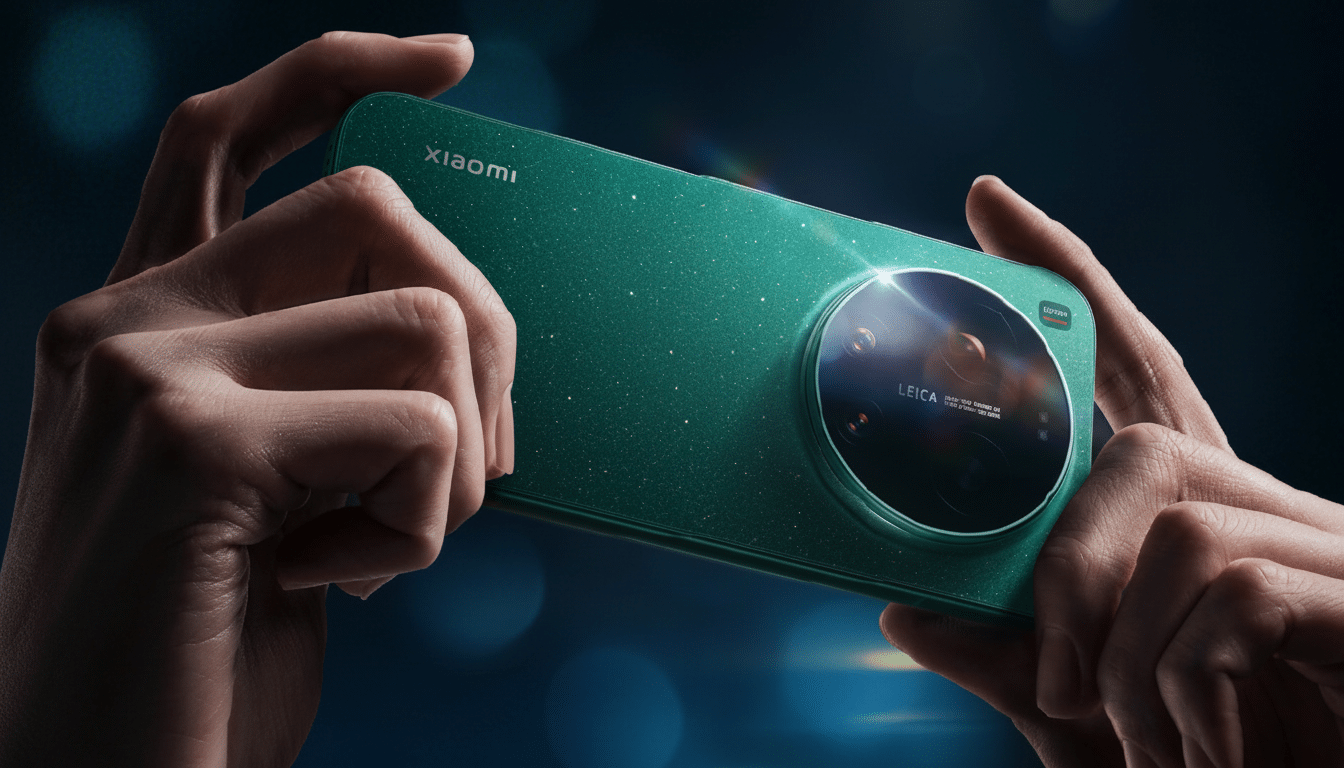
Continuous zoom has been a rarity in phones; Sony flirts with it on compact ranges, while most rivals prefer high-res sensors and clever cropping to get between focal lengths. Teaming a 200MP periscope with Leica’s tuning could also produce sharper mid-tele shots and cleaner hybrid zoom across an even broader range than conventional 3x–10x stacks offer. Look instead for multiframe fusion and sophisticated stabilization to help with pulling consistent detail from that tight telephoto sensor.
A 1-inch class sensor for the main camera will hopefully help with dynamic range and low-light performance. Xiaomi has been able to focus on larger sensors since the 12S Ultra days, and Leica color science (specifically in “Leica Authentic” and “Leica Vibrant” profiles) has become something of an identity. The question marks: the sensor size of the ultrawide and whether all three lenses (including optical stabilization) would be a priority for night work, especially if there’s a bit of telephoto.
Design and display fine-tune everyday usability
Teasers reveal a chassis with more rounded corners, no chamfered edges, and a thinner 8.29mm profile, hopefully opting for ergonomics over battery life.
For people who prioritize palm rejection, easy screen protection, and accurate touch targets near the edges — the trade-offs some find with aggressively curved panels — a switch to a 2D flat display would present a welcome change.
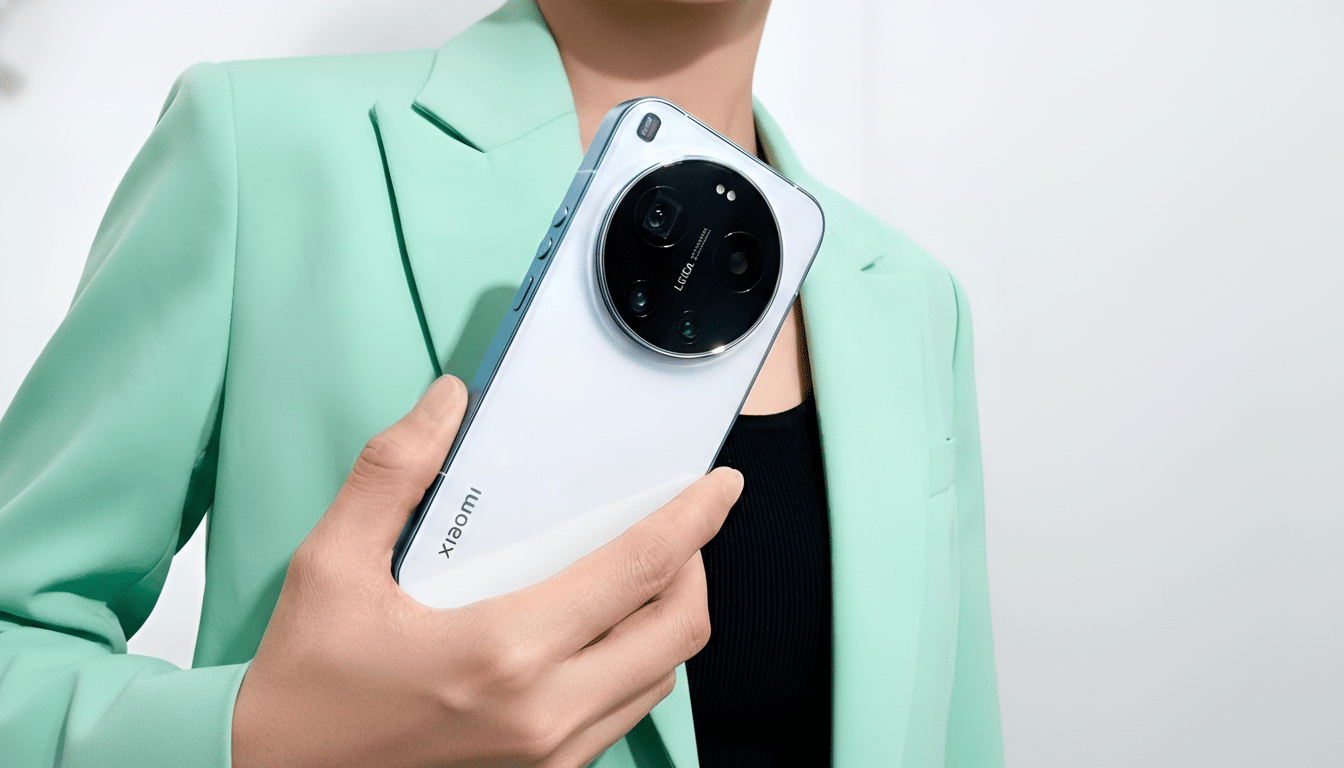
New Starry Green (mineral particles embedded in the back for a sparkling effect), classic black, and white. The camera housing looks a little tidier than that of recent Ultra models, indicating a more practical design theme that should also reduce bulk, which case shoppers and pocket carriers will undoubtedly appreciate.
Performance and battery expectations for the 17 Ultra
Industry chatter suggests that Qualcomm’s newest flagship silicon, expected to be called the Snapdragon 8 Elite Gen 5, will deliver improved CPU efficiency and a more powerful on-device AI engine for features such as real-time translation and generative photo tools. Xiaomi has been an advocate of AI-assisted imaging and video; you’ll find it across its pricier range, so pairing that with the larger sensors could bring marked improvements in HDR performance, portrait segmentation, and night mode fidelity.
The most eye-catching spec rumor is a 6,800mAh battery with 100W wired charging packed into a sub-9mm frame. If true, that’s a sizeable step up from the 5,000–5,300mAh cells we see in most current flagships. Hitting that capacity with an 8.29mm thickness implies high-density stacking and improved thermal management. The charging number would put common devices to shame, minus the excessive heat and degradation risk that comes with juice upped to the limits.
Launch plan and competitor analysis for holiday debut
It will launch in China first, and a wider release is planned later. That staggered approach mirrors other recent Ultra-class launches and allows Xiaomi to perfect software and imaging before the device becomes available internationally. It also puts the reveal right in the holiday window, when interest in high-end devices typically skyrockets.
That once state-of-the-art super-flagship camera landscape is getting more competitive. Vivo, OPPO, and Honor have all dabbled in larger sensors, enhanced telephoto modules, and computational photography. A 200MP periscope with potential continuous zoom would certainly give Xiaomi a point of difference over rivals offering dual periscopes or high-aperture ultrawides. Market watchers like Counterpoint Research have observed that premium phones are still outperforming the broader smartphone market, indicating why brands are focusing some of their most ambitious hardware and AI features on the high end.
What to watch for at the unveiling of Xiaomi 17 Ultra
Important details to include at the event:
- Confirmed focal lengths and sensor sizes for all three cameras
- Stabilization across the board
- Any new Pro or Log video modes that take advantage of the larger main sensor
- Battery chemistry, charging-cycle claims, and heat-dissipation design
- AI features that genuinely help with capture, such as subject-aware autofocus, scene relighting, and on-device generative fill
If Xiaomi’s initial hints are borne out, the 17 Ultra could be a rare beast: a camera-first flagship that has some practical dimensions and battery life to see it through. The complete picture comes at launch in China, with international buyers likely not far behind.
