


China-based phone manufacturers Xiaomi is toying with a bold concept that the world may see on its next Xiaomi 16 Pro Max: a functional screen on the back of the phone, according to a new batch of leaked photos.
If true, the design could provide Xiaomi with the headline-grabbing trump card for when Samsung launches its next Ultra-class flagship, and revive an idea that would not stick earlier.
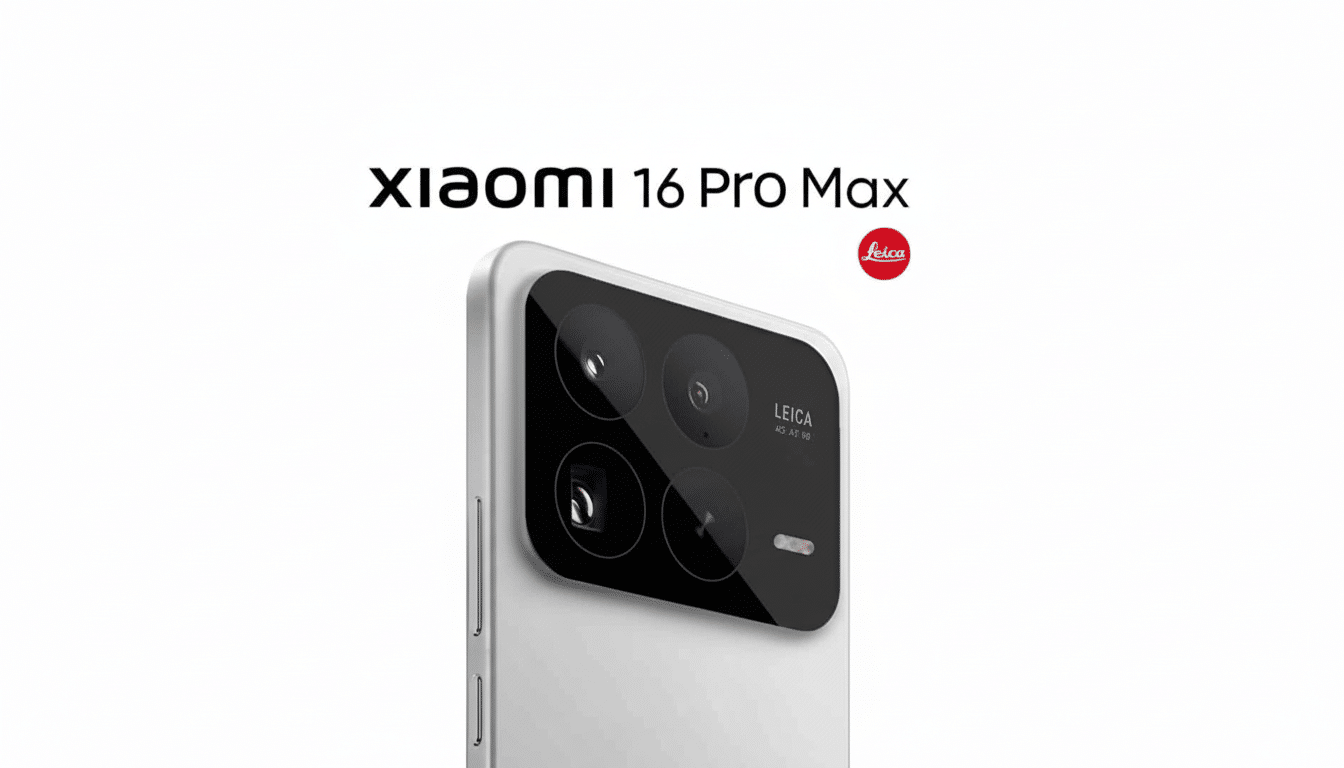
Leaked photos suggest a second screen
Images published on Weibo and noted by NotebookCheck allegedly show a large cutout for the case next to a dual camera cluster — a curiously large block of empty space which the protective case in question suspiciously leaves, well, open.
Two smaller sensor cutouts are below, matching with a second photo that sees the device in the wild resting on someone’s leg.
There are no in the shots confirmation of a display, although the design does mirror types made when brands find a way to add a secondary panel in the mix. If Xiaomi is taking this much real estate, like, seriously—Xiaomi is either making room for something seriously accessory-heavy, like a display, or bringing on some new novel camera-module arrangement that’s unlike what it has shipped on recent flagships.
Use cases beyond novelty
Rear screens have a history of coming and going. Xiaomi’s Mi 11 Ultra added a 1.1-inch AMOLED on the back for use as a selfie viewfinder, a notification ticker and an always-on clock. Nubia’s Z20 and vivo’s Nex Dual Display were among those plucking from the same collection of ideas, Meizu’s Pro 7 and the YotaPhone line played with secondary panels for glanceable info. The usual criticism: Awesome demo value, terrible day-to-day utility.
This time around, leakers say that the Xiaomi 16 Pro Max could use its secondary panel to manage app notifications, transit “card swiping,” exercise tracking and “smart AI” nudging. In market like China, a rear screen could pair with NFC to hasten metro entry or payments without the need to flip the phone. For makers, a reverse display makes the main camera a vlogger rig, letting them frame, touch-to-focus and expose with the best sensors in the business.
The gimmick-versus-game-changer debate will depend on execution: bright enough to stand up to outdoor light, smart power management so the feature doesn’t kill the battery, and tight software hooks that let popular apps offer rich glanceable experiences without extra duplication and lag.
Specs rumors point to a powerhouse
Aside from the prospective rear screen, the 16 Pro Max is rumoured to be powered by the upcoming top-of-line chips from Qualcomm, which leaks often call Snapdragon 8 Elite Gen 5. Another widely circulated claim: that it will have a beast of a 7,500mAh battery. For perspective, Xiaomi’s more recent Pro models linger just shy of 6,100mAh, and Samsung’s Ultra line usually stays somewhere around 5,000mAh. If this is the case, the extra capacity could counteract the added draw from a secondary display and still provide added longevity.
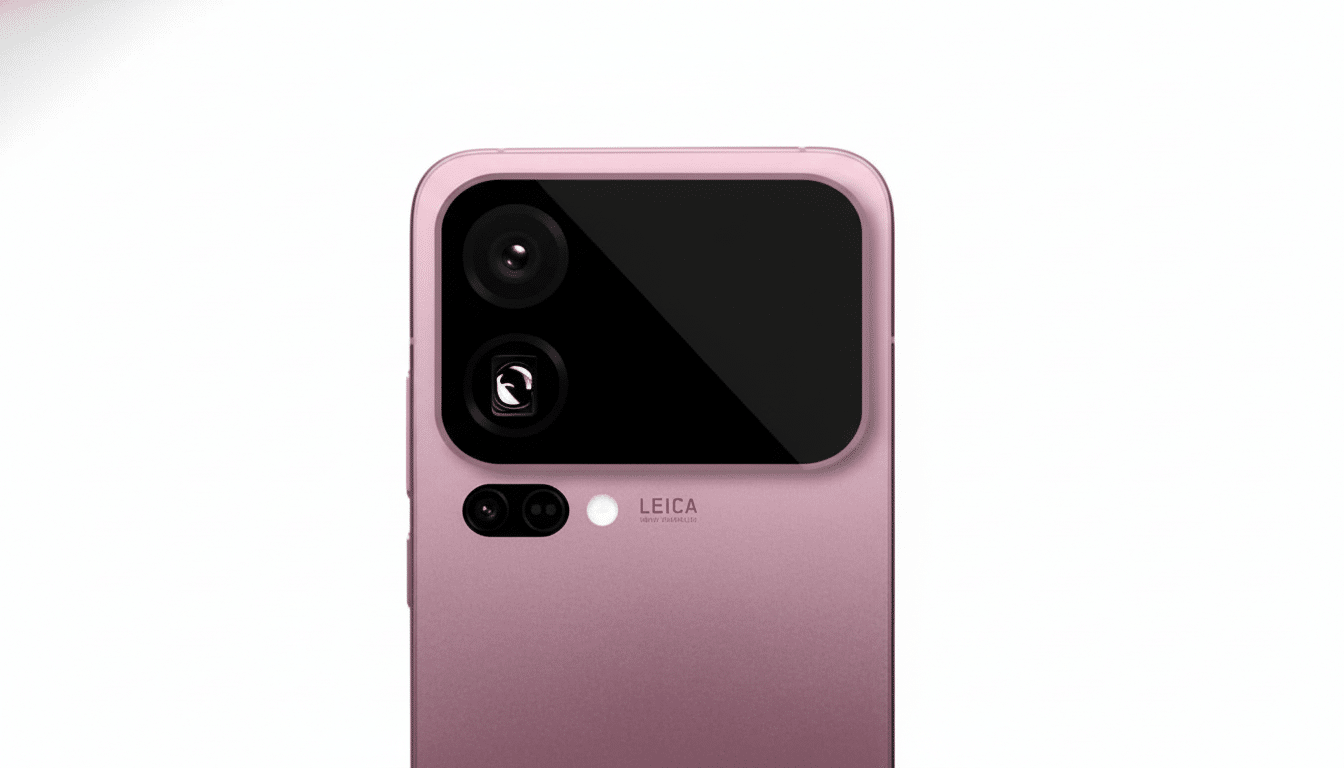
The island for the cameras in the images depicts two large lenses, and more space for other sensors.
Xiaomi has pursued jumbo main sensors and long-range telephotos aggressively, so we are keen to learn what the rear screen, which IFF exists, harmonizes with periscope hardware sans a thickening-agent, sans weight-gain. Both materials and cooling become issues when you start pushing additional glass to the exterior.
What it would mean for Samsung’s next Ultra
Samsung’s Ultra phones compete on camera consistency, longevity and software polish, adding in next-level on-device AI and S Pen support. A back screen isn’t in Samsung’s playbook, and that’s exactly where Xiaomi could stand out on store shelves. The success of Xiaomi in delivering that will, as ever, depend on whether the company is capable of making the display more than just a novelty, and something more akin to a daily habit.
Market dynamics suggest a dramatic swing is the way to go. Xiaomi has been included among the world’s three biggest smartphone vendors in different quarter by Strategy Analytics, Canalys as well as Counterpoint Research, however, premium-tier success outside of China has been intermittent. A unique feature that adds meaning to the experience of using the camera or getting a glance at something could give Xiaomi an edge in markets where Samsung’s Ultra reigns supreme over the mindshare.
The big question: global access
The highest-end devices from Xiaomi don’t always see wide release. If the 16 Pro Max comes in with a rear display, large battery, and next-gen silicon, limited release would kill the potential momentum. A dedicated worldwide launch and software partners to make the second screen shine for popular apps and services would also be needed to make the hardware worthwhile.
For now, though, consider the rear display an informed supposition. The leaked images appear to fit the mold, past Xiaomi experiments provide a template, and the rumored battery indicates the firm is getting ready for more screen time — both front and back. Should Xiaomi nail the battery and software story, this could be the exception to the dual-display rule: not just a head-turner, but a habit-changer.
