


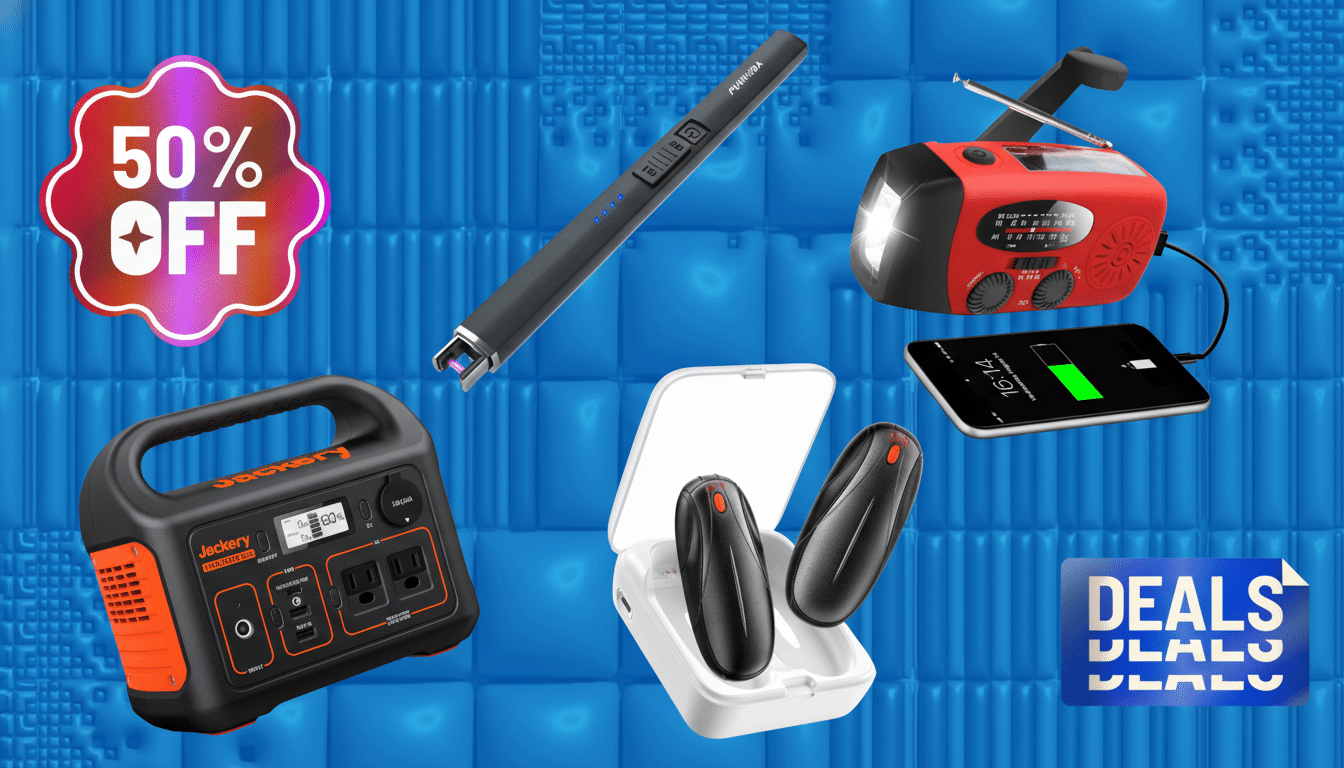
Emergency winter gear is getting a deep freeze in price as retailers roll out discounts up to 50% on storm essentials. If you’ve been meaning to upgrade your blackout kit, this wave of markdowns covers the items that matter most when the grid goes dark and temperatures plunge: portable power stations, high-capacity power banks, NOAA weather radios, rechargeable hand warmers, compact electric snow shovels, solar lanterns, carbon monoxide detectors, and rechargeable batteries.
The timing is practical as well as promotional. As more regions experience severe cold snaps and heavy snow, having reliable backup power and lighting is no longer a “nice to have”—it’s a resilience plan you can build at a discount.
Why These Deals Matter In Extreme Weather
NOAA and the National Weather Service warn that winter storms are increasingly disruptive, often triggering widespread outages and dangerous travel conditions. The U.S. Energy Information Administration notes that outage duration spikes during major events, and cold-weather systems are a key driver of those spikes. When heat, lights, and connectivity falter at once, the right gear extends comfort and safety.
Safety remains the top priority. The CDC estimates hundreds of deaths annually from carbon monoxide exposure, with tens of thousands of emergency department visits. That risk climbs during outages when people use improvised heating or run engines in enclosed spaces. A reliable CO detector and clear safety practices—never running generators or grills indoors—are nonnegotiable.
FEMA recommends stocking at least a 72-hour supply for emergencies. Think of this sale as a catalyst to close gaps in that plan, especially on power, light, and communications—categories where technology has improved and prices are now especially competitive.
Smart Buys to Prioritize in This Winter Sale
- Portable power stations: Look for 300–600Wh capacity to keep phones, routers, LED lights, and small devices running through a winter night. A pure sine wave inverter, multiple AC and USB-C ports, and solar input expand flexibility. Many models are seeing 15–30% reductions, with bigger cuts on previous-generation units that still perform well for home backup.
- High-output power banks: A 20,000–25,000mAh pack with 60–100W USB-C Power Delivery can charge laptops, tablets, and phones without juggling outlets. Flight-approved designs and integrated cables add everyday utility beyond storm season, and discounts often cluster around 10–20%.
- NOAA weather radios: Choose models with SAME alerts, AM/FM reception, a strong LED flashlight, and both hand-crank and solar charging. These are inexpensive lifelines when cellular networks hiccup, and they commonly drop 20–30% during seasonal sales.
- Rechargeable hand warmers: Dual-unit packs with fast heat-up and 10,000mAh+ total capacity can take the edge off frigid commutes and unheated rooms. These routinely hit the deepest cuts, often up to 50% off.
- Compact electric snow shovels: Battery-powered units are ideal for walkways, decks, and quick driveway passes when you don’t need a full snow blower. Look for sturdy augers, manageable weight, and a battery/charger in the box. Discounts typically range 10–20%.
- Solar inflatable lanterns: They store flat, charge by day, and light entire rooms at night—no cords, no batteries. Waterproof designs add versatility for camping and outages, and seasonal sales often shave 15–25%.
- Carbon monoxide detectors: Prioritize electrochemical sensors and clear readouts for ppm, temperature, and humidity. Plug-in units with battery backup are simple and reliable. Expect 10–20% savings.
- Rechargeable AA batteries: AAs still power critical gear from headlamps to radios. Low self-discharge NiMH cells rated around 2,000mAh can be recharged hundreds of times, cutting waste and last-minute store runs. Look for 10–20% markdowns on multipacks.
- Windproof USB arc lighters: Flameless, rechargeable, and handy for stoves, candles, and emergency fire starters—frequently discounted up to 50%.
Price Benchmarks and Real-World Value for Buyers
For power stations, a quick value check is cost per watt-hour. Sales often bring solid units close to or under $1 per Wh, which is strong for home backup. For power banks, confirm true 100W output if you plan to charge a laptop; many “high capacity” packs top out at 20–45W.
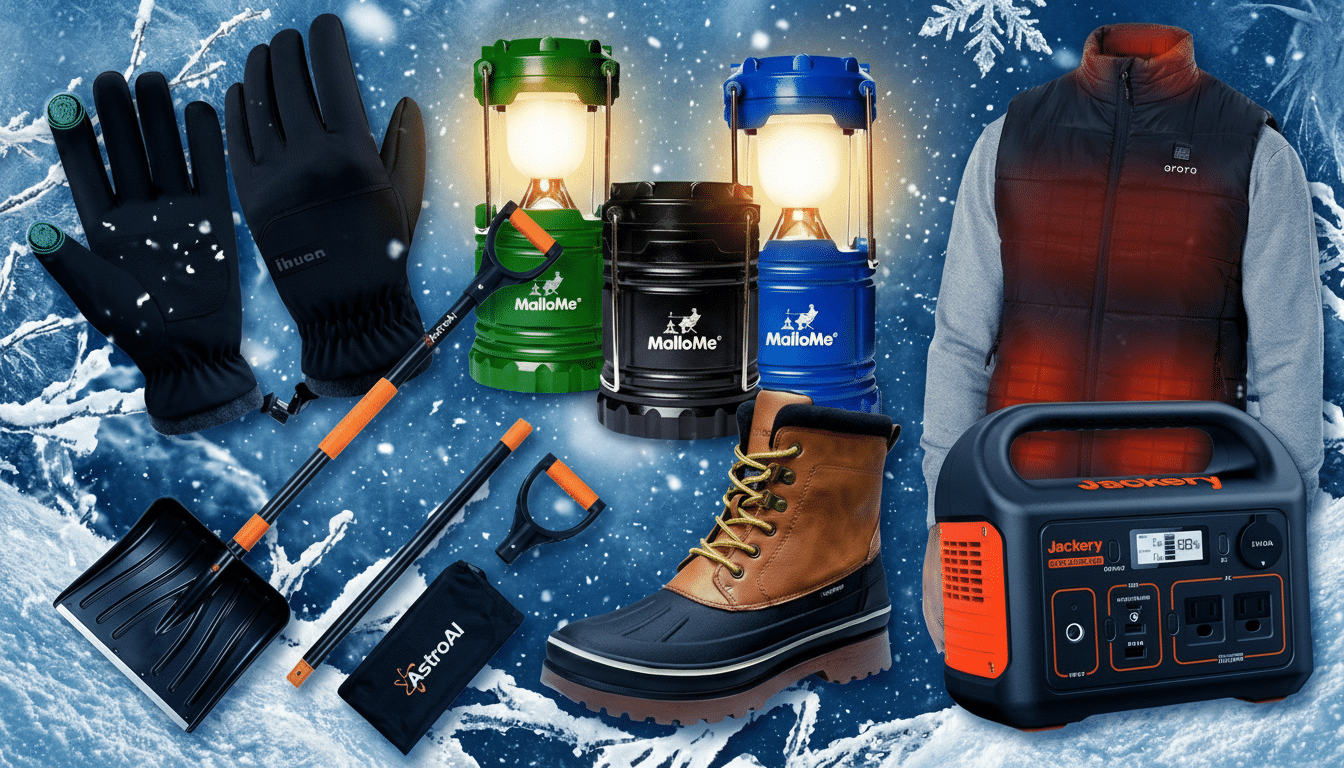
Weather radios and solar lanterns deliver outsized value in outages where information and light are scarce. Radios under a typical sale threshold can replace multiple tools thanks to their hand-crank and power bank functions. Solar lanterns offset miles of disposable batteries over time.
On safety gear, the payoff is measured in risk reduction. A discounted CO detector is inexpensive insurance compared with the medical and property costs associated with improper heating during blackouts, as public health data repeatedly underscores.
Build A 72-Hour Kit While Prices Are Down
- Start with power: one mid-size power station for home, one high-output power bank per household adult.
- Add light: a solar inflatable lantern plus headlamps with rechargeable AAs.
- Cover safety: a plug-in CO detector with battery backup.
- Ensure information flow: a NOAA weather radio with SAME alerts.
- Add warmth: rechargeable hand warmers and extra layers.
- Round out snow response: a compact electric shovel for walkways and steps.
Store everything in an accessible bin, rotate battery charges monthly, and run a short outage drill to confirm your setup works the way you expect.
Bottom Line: Save on Winter Storm Essentials Now
With winter storm essentials discounted up to 50%, it’s an ideal moment to shore up the gear that keeps you powered, informed, and safe when the mercury drops. The combination of lower prices and better technology—validated by guidance from FEMA, NOAA, and the CDC—makes this a smart, timely investment in resilience.
