


Windows 11 just crossed the 1 billion monthly active user mark, a watershed moment for Microsoft. Instead of a victory lap, though, Redmond is fielding a wave of frustration from the very people who made that milestone possible. On a recent earnings call, CEO Satya Nadella touted the growth, while Windows chief Pavan Davuluri acknowledged the message coming in loud and clear from customers and Windows Insiders: fix the basics, reduce friction, and stop piling on features people didn’t ask for.
A Milestone With a Mood Problem for Windows 11
The jump to 1 billion was accelerated by the retirement of Windows 10 support, nudging stragglers onto new PCs or upgrades. Five years after Windows 11’s debut, users expected a stable, refined OS. What they see instead feels like a platform in permanent beta—frequent feature drops, shifting defaults, and a sense that Windows is being stretched to serve too many agendas at once.
- A Milestone With a Mood Problem for Windows 11
- AI Everywhere, Few Opt-Outs and Rising Privacy Concerns
- Update Woes and Trust Erosion as Glitches Linger
- The Monetization Squeeze That Frustrates Windows Users
- Consumers Versus Enterprise Priorities in Windows Strategy
- What Microsoft Says It Will Fix Next in Windows 11
That change-fatigue is not new to the Windows ecosystem, but the tone has hardened. Power users grumble about complexity, everyday consumers feel steamrolled by dark patterns, and even longtime fans say they spend too much time undoing “helpful” defaults. The scale of Windows only magnifies those pain points.
AI Everywhere, Few Opt-Outs and Rising Privacy Concerns
Microsoft says the future of Windows is “agentic,” with Copilot as the front door. That ambition now touches nearly every nook of the OS: chat-style assistants, semantic search in File Explorer, AI tweaks in Settings and Photos, and even experiments in Notepad. On Copilot PCs, the Recall feature—designed to capture screenshots continuously for later retrieval—has drawn privacy alarms from security researchers and civil liberties groups like the Electronic Frontier Foundation.
The backlash isn’t against AI per se, but against AI that can’t be fully turned off. Users can remove the Copilot app icon, yet core components linger, and documented switches to disable them are increasingly deprecated. The result feels less like innovation and more like inevitability, with customers asking for hard-off toggles and clear consent flows that stick.
Update Woes and Trust Erosion as Glitches Linger
Windows updates are better monitored than ever, but the drumbeat of glitches keeps trust fragile. Recent patches triggered trouble in niche scenarios—Remote Desktop issues through the Windows App, quirks on Secure Launch systems—and even a black-screen startup bug for a limited set of machines. Microsoft documented each on its Windows release health dashboard and shipped out-of-band fixes where needed.
Even if the impact is narrow, perception matters. Veterans still remember a notorious feature update that deleted files for some users, broken ZIP handling, bad audio drivers, and abrupt brightness resets. When your computer is personal, a rare but catastrophic bug can define the whole narrative. Windows runs on an astonishing range of hardware; that diversity is a superpower—and a perpetual quality risk.
The Monetization Squeeze That Frustrates Windows Users
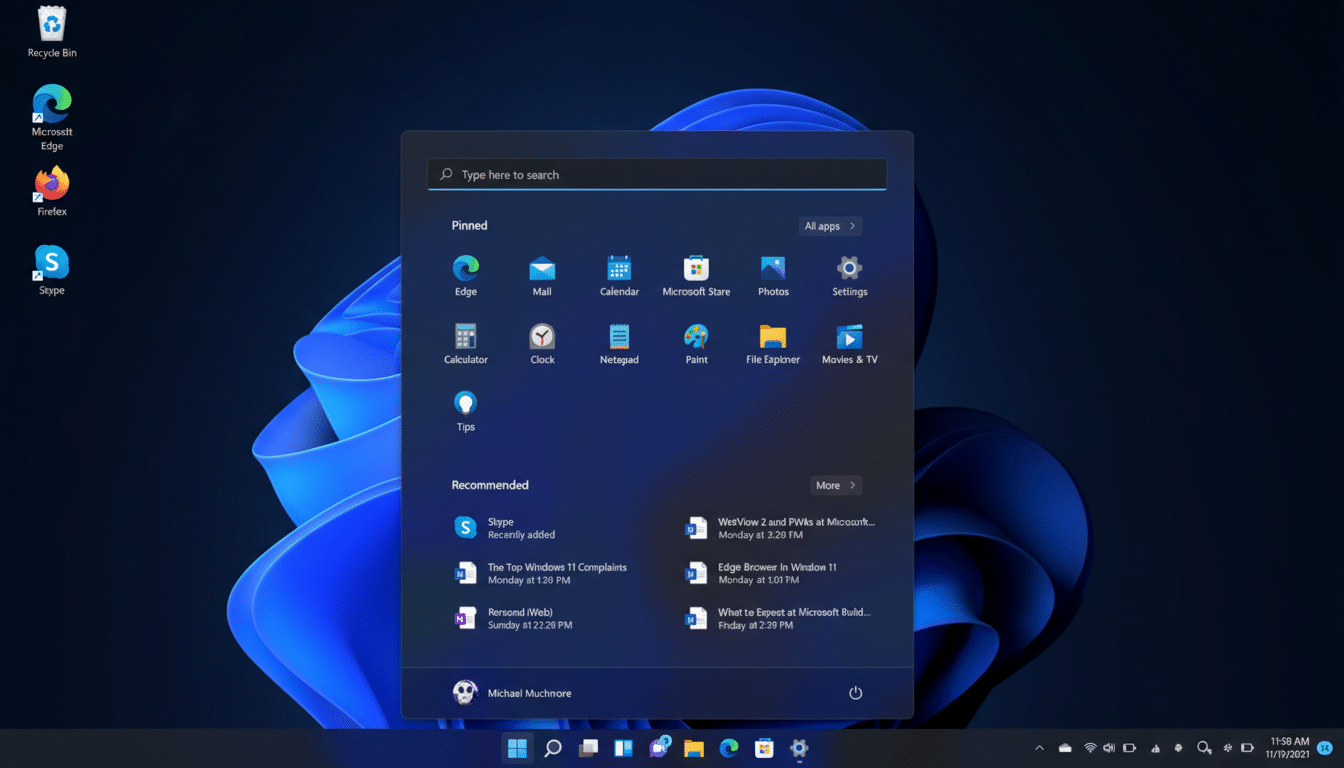
Then there’s the commercialization creep. New Windows 11 setups often meet a flurry of prompts to try OneDrive, Microsoft 365, Xbox Game Pass, and Edge. You can decline, but the nudges keep returning. Many users see this as advertising in a paid operating system, especially when switching defaults away from Microsoft services requires extra steps or is quietly reversed after updates.
OneDrive Backup is a case study. In theory, automatic protection of Documents, Desktop, and Pictures is a win against ransomware and disk failures. In practice, users report unexpected folder redirection, “missing” files that were silently moved to cloud paths, and confusing rollback behavior. Search Reddit and you’ll find pages of threads from people who didn’t realize what was turned on—or how to undo it without collateral damage.
Consumers Versus Enterprise Priorities in Windows Strategy
Industry estimates suggest roughly 60% of Windows PCs are consumer-owned, yet the lion’s share of Windows revenue flows from enterprise contracts. That asymmetry shows. Windows Home is largely the same codebase as the corporate builds, just with fewer management controls exposed. When problems arise, home users are often pushed toward tools and documentation aimed at IT pros—Group Policy edits, registry changes, and PowerShell scripts most people shouldn’t have to touch.
The ask from consumers is modest: respect their default choices, provide clear privacy guardrails, and make opt-out truly off. Give Windows Home a coherent owner experience with plain-language controls for updates, data collection, and AI—not a scavenger hunt through hidden settings.
What Microsoft Says It Will Fix Next in Windows 11
Microsoft insists it’s listening. In comments shared with The Verge, Windows leadership said the team will prioritize performance, reliability, and the “overall experience” this year. That means fewer regressions, faster and quieter updates, and a more deliberate hand on AI features that ship before they’re ready for prime time.
Hitting 1 billion puts Windows 11 in rarefied company. Keeping those users happy will require fewer experiments that treat the OS like a billboard and more craftsmanship that treats it like a trusted tool. If Microsoft can pair its AI vision with genuine user control and rock-solid fundamentals, the next billion will arrive with far less shouting.
