


Windows 11 version 25H2 is here without bombshell features— and that’s just what it should be. This annual update, rather than a reinvention, is more of an act of flipping the switch on features that Microsoft has quietly been shipping to customers in monthly updates over the last year. The result: a rapid, no-muss install that provides continued support while also maintaining stable fleets.
CreditsWill Mueller Microsoft’s approach of using a ‘enablement package’ mean you already have most bits on your PC, just lying dormant? Upgrading to 25H2 more or less flips the switch on them, without the need for heavy lifting downloads and lessening the potential for breakage in compatibility. It’s the most recent manifestation of Microsoft’s “continuous innovation” model, in which features are rolled out when ready, rather than stockpiling them for a big-bang release.
What’s Actually New for Most People
If you didn’t sign up for features as soon as they’d available, it’s possible 25H2 could include all of that at once.
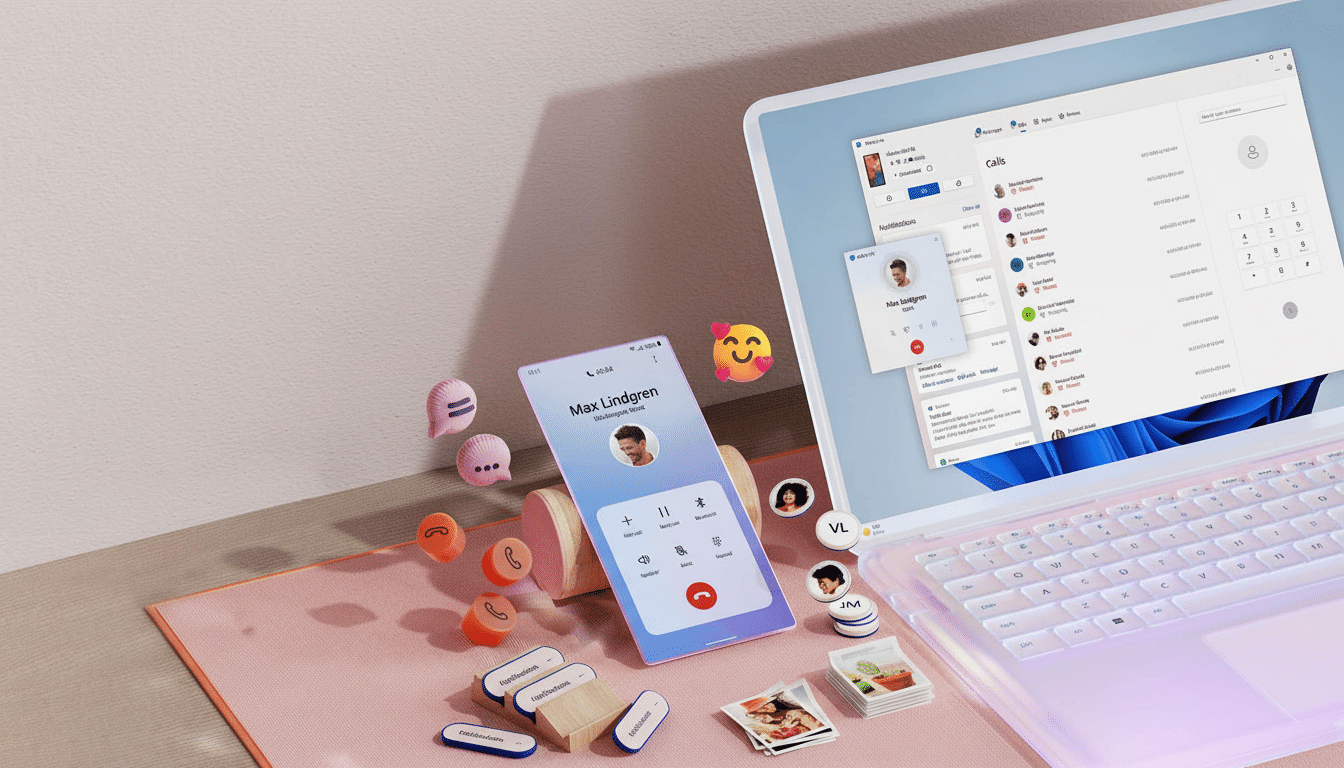
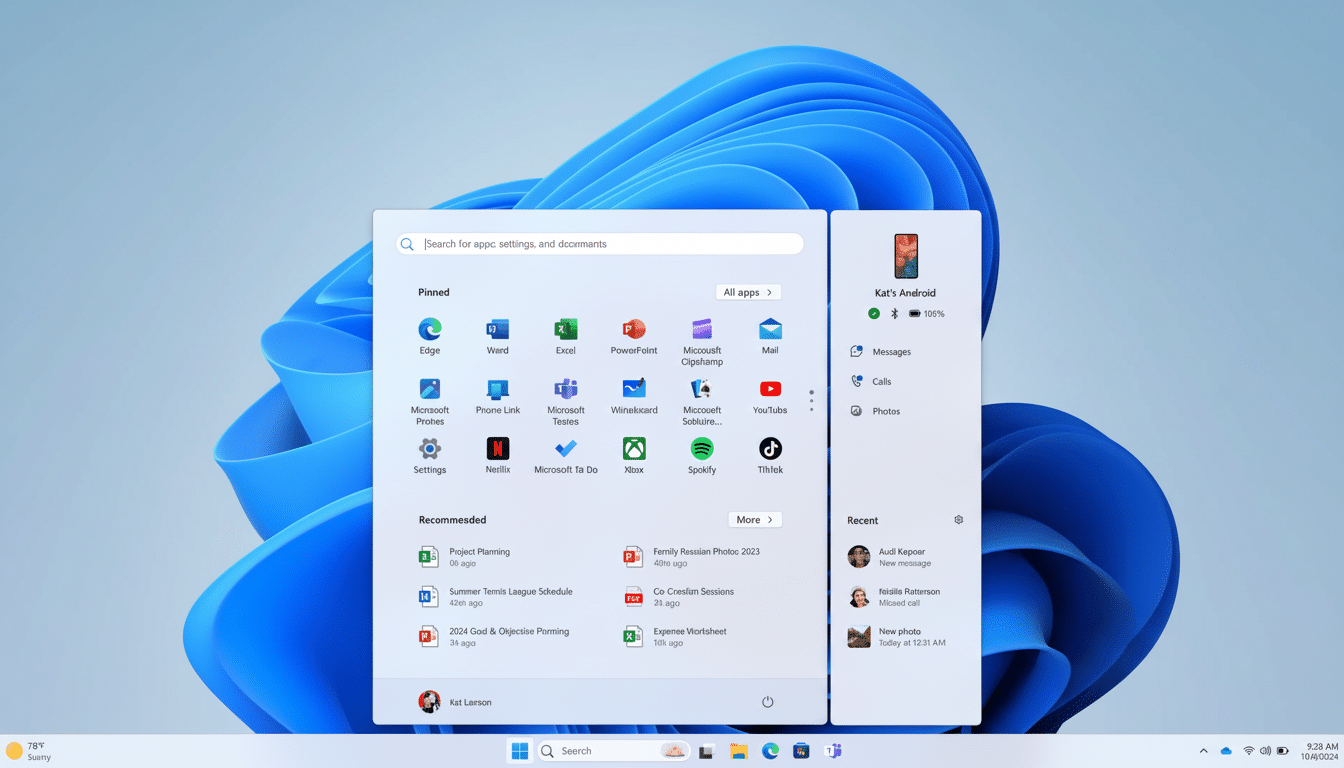
Once your Android or iPhone is paired, your Start menu can feature a Phone Link sidebar that shows you recent messages, calls and photos, without the need to browse a full app. It’s a tiny add, but actually useful if you live in messaging all day.
Lock screen widgets can be even more customizable, so you can add a new widget or move it around to suit you: Weather, Traffic, Watchlist, Sports—along with third‑party widgets and apps that can now include even more utility.
「置く場所」「置きたいもの」に合わせてカスタマイズが可能に。天気、交通情報、ウォッチリスト、スポーツなど、(他社製の)小さなサイズに対応したウィジェットまでが“追加”だ。
Lock screen widgets are even more customizable, so you can add new widgets and just the right information of just the right size you need. Weather, traffic, watchlist, sports, and even more content than before all fully customizable across lock screens now.
You’ll also see the time indicator returned to the Notification Center panel above the calendar, although you still can’t show seconds on the taskbar clock if precision is your thing.
It’s nice to see a critically worthy cause like accessibility getting the attention it deserves. Narrator receives AI‑generated image descriptions, and a new option to enter text that you can read to the system and have it spoken aloud to be further enhanced in the future) It’s now possible to review and explore the text of conversations in Cortana using a new list. Better navigate in scan mode with more efficient navigation even through more complex structures, reducing the need to use arrow keys or the mouse to get around for people who use screen readers.
Fig. 8Smaller quality‑of‑life changes include an Edit button in the Windows share sheet that allows you to tidy up images in Photos before you share them, and a Gamepad‑friendly touch keyboard layout that stacks its keys vertically and adds controller accelerators – X goes back, Y types a space – for sofa‑distant typing.
Enablement Package, CFR and Deployment
Servicing-wise, 25H2 once again echoes the model Microsoft honed during the Windows 10 years: ship code in advance, then turn it on with a tiny activation download. In the real world, the update goes in fairly fast—with typically only one reboot needed. This was confirmed by the Windows Insider team in the Release Preview channel prior to broad release.
The company uses a “controlled feature rollout” (CFR) methodology to gate availability based on device readiness—drivers, hardware, and telemetry—meaning you might not see everything on day one. Business admins have granular control using Windows Update for Business and management tools such as policies to configure two-hour sorting rings and pause windows based on organizational change-management processes.
Security, Support Timeline and Removals
Despite the familiar (if slightly overwhelming) features, what’s most important is for support.
The servicing clock at Microsoft resets with each annual release of Windows: Home and Pro get 24 months; Enterprise and Education, 36 months, according to Microsoft’s lifecycle policy. That lengthened runway is often what IT teams rely on when they plan their patch cadences.
Security‑minded changes are small in scope but big in impact.
Microsoft has been experimenting with a simplified black screen for error experiences in recovery cases and enhancing automated recovery paths with capabilities designed to limit manual triage. At the same time, we’re pulling out measures that we know simply increase attack surface (legacy components like PowerShell 2.0 and the deprecated WMIC command line command) following guidance from the enterprise cybersecurity teams and standards anyway.
Copilot and AI: Mostly Decoupled
AI updates to Windows are more and more no longer tied to the OS release train. Copilot functions are generally delivered through the Microsoft Store or cloud services, so 25H2 itself isn’t a revolutionary change in experience. One exception you might already find use for is a System-level press-to-talk gesture: If you hold the Alt+Space combo, it will trigger Copilot for voice input and provided you have set it up, an optional “Hey Copilot” wake phrase can be turned on if you have your PC unlocked.
Newer Copilot+ PC features—like timeline searching and on‑device AI experiences—continue to remain gated by hardware, to devices that have NPUs good enough to meet Microsoft’s baseline. That divide is significant: Software updates touch everyone, but the richest AI features are bound with silicon. Microsoft has been very clear on where this is going in a number of articles on its Windows blog and in partner briefings.
Why a Low‑Drama Windows Release Is So Important
A measured release mitigates adoption friction in the mixed environments where Windows 10 and Windows 11 continue to coalesce. Third‑party telemetry companies like StatCounter The shift in desktop OS share trends tends to be a slow thing, not a overnight turn, and analyst research firms like Gartner and IDC the tech heads want low, slow, predictable updates, not feature big blasts consistently maintain that IT leaders want predictable, low‑impact updates, not stuff‑it‑all‑in‑you‑can‑give‑us‑’cause‑the‑dev‑says‑it’s‑got‑to‑be‑now.
For end users, that pragmatism means fewer regression headaches and less time offline. For organizations, it translates to decreased emergency rollbacks and a clearer path to meeting compliance windows and vulnerability remediation SLAs.
Should You Install 25H2?
If you’ve been updating every month with the “get the latest” option ticked, 25H2 isn’t going to feel earth shattering — and that’s o.k. Install it to extend support, bring together the year’s work, and get under‑the‑hood hardening. Before you do, verify that your backup is up to date; Windows Backup can also pair a new PC with your old one to move files and many settings with less pother.
Bottom line: Windows 11 25H2 is a maintenance‑minded catch‑up release that pays more attention to reliability than funkiness. It’s not a banner headliner, but it’s the type of release that most PCs — and most admins — will silently thank Microsoft for.
