


CMF is hinting at a physical “energy slider” on its forthcoming Headphone Pro, and the internet has done what it does best: speculate.
It resembles a volume knob, but the brand’s choice of words implies something more forward-thinking — a single control that alters how your headphones feel rather than just how loud they get.
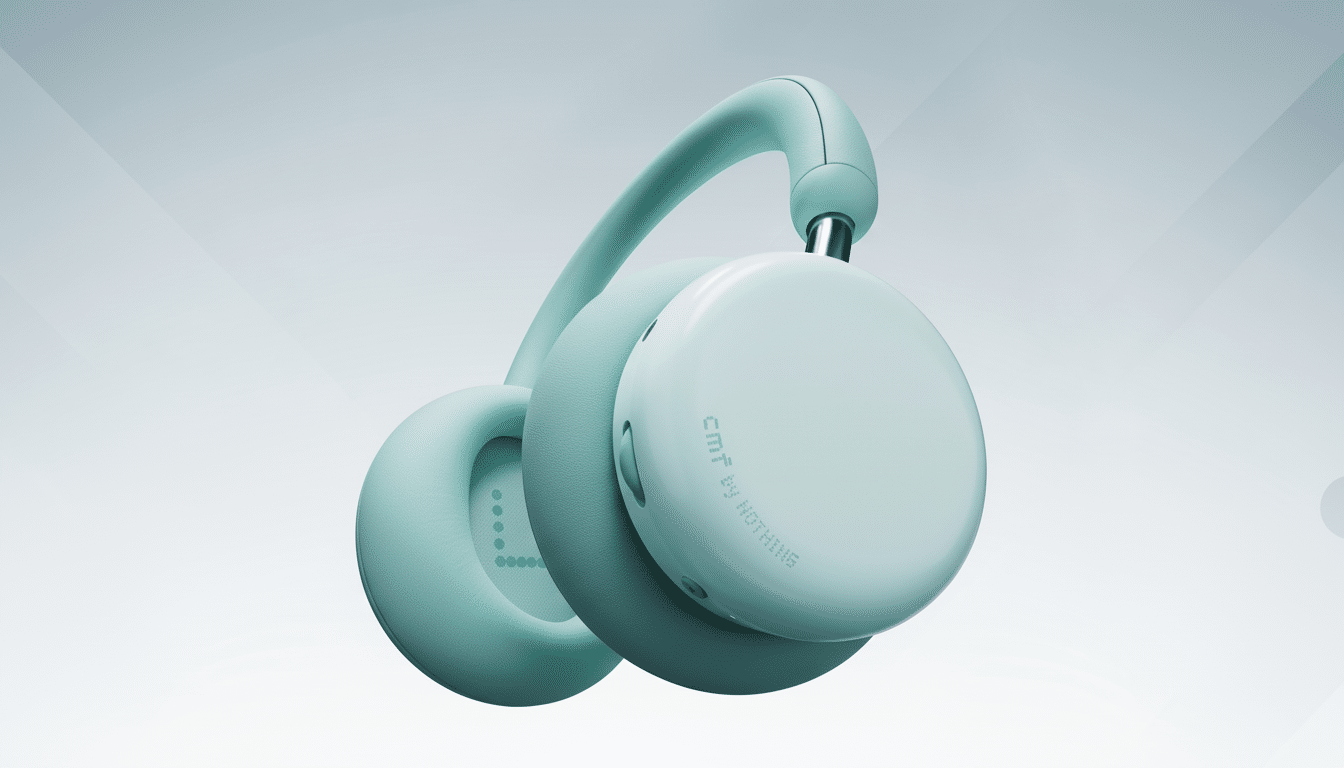
Why Call It an ‘Energy’ Slider on These Headphones?
In audio, “energy” can usually be read as something like intensity we perceive — how hard the bass hits us, how lively the treble sounds, and how much the total soundstage pushes up against our face. An “energy” macro might be something you could apply that raises several controls at the same time: the level or position of shelf-lifted bass, midrange tilt, dynamic compression, and (maybe) how hard your active noise cancellation is running. Rather than locking users into a discrete set of presets, with one gesture you’d be able to slide back and forth between neutral and relaxed on the low end up through a punchy, high-impact high end.
That’d fit CMF’s design-first ethos and the Nothing family’s whimsical manner of designing hardware controls. A slider is tactile, glanceable, and also mapped to a mental model you’ve already internalized: push for more, pull for less.
The Closest Real-World Comparisons to This Slider
The most direct analog is Skullcandy’s Crusher series, which break convention as they use a physical slider to alter haptic bass intensity. It’s an incredibly trendy feature, because it provides instant analog-like control over “feel,” not just tone. Reviewers from places like RTINGS and Headphonesty seem to have consistently found that this approach is intuitive, even if it’s not for purists.
On the ANC front, multiple brands unveil similar “energy” interpretations in software. Sony gives you fine control of the level through which ambient sound passes, while Bose has multiple noise control modes with similar granular settings. Software sliders buried in apps, that’s what. CMF may well be porting this concept to hardware, meaning on-head adjustments are quicker and less fiddly.
There’s also a lesson from game headsets like the SteelSeries Arctis that utilize a “ChatMix” wheel to mix game and voice audio. It’s the type of single control mapping to several internal changes that is classic Apple — a smart way to solve a complicated problem without trapping users in menus.
What the Energy Slider Could Actually Regulate
There are three plausible theories making the rounds among engineers and enthusiasts:
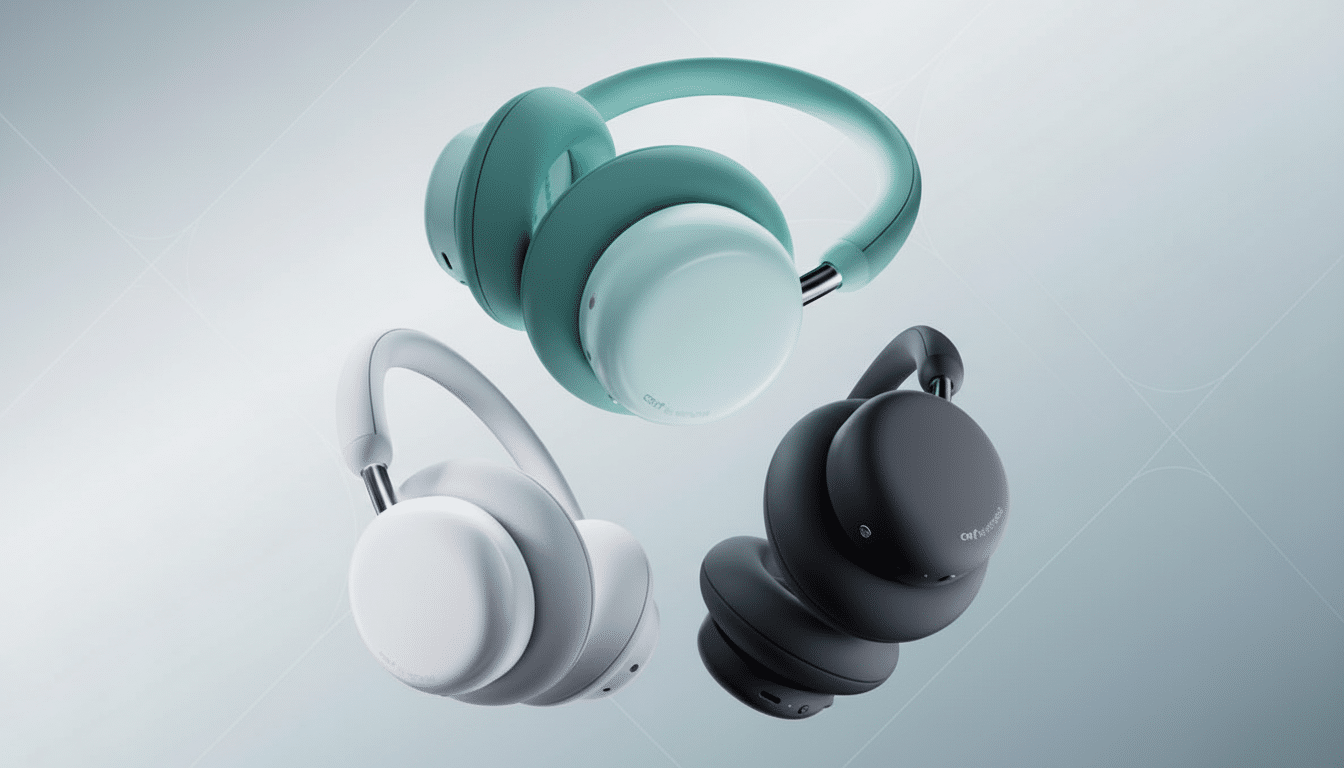
- Bass/treble: A tilt EQ that focuses the tonal balance with a subtle compression of transients to retain perceived loudness. In use, sliding up would bring in some sub-bass weight and a smidge of sparkle; sliding down would tamp out the top-end zing and loosen the low end.
- ANC/ambient blend: A physical control for how “sealed” the world feels. Up if you want maximum noise blocking, down for more awareness of what’s going on around you — say, with adjustable sidetone gain for clearer voice pickup.
- Output drive profile: A power management macro that amplifies headroom and driver excursion for high-energy listening, then crosses it back to extend battery life. The slider wouldn’t adjust volume as such, but it would adjust the dynamic response from that volume.
CMF’s teaser reads as though there will be additional distinctive buttons, which would signal that volume is controlled elsewhere. If anything, that makes an argument for a multi-parameter macro rather than another volume control.
Battery Life, Safe Listening, and Relevant Standards
That means if the slider increases bass or ANC strength, have respect for your battery. Manufacturers often claim that headsets and earbuds can play music longer with ANC off than on; to wit, Sony’s WH-1000XM5 and Bose’s QuietComforts have markedly divergent battery life figures depending on which noise-canceling mode is used. Higher DSP settings and low-frequency boost also mean more power draw, particularly when you listen at higher volumes.
Then there is the issue of safe listening. Recommendations from the WHO for environmental noise state that 85 dB is a threshold value for continuous exposure (up to eight hours). European standards, such as EN 50332, mandate that devices shall introduce sound pressure level limitation defaults. So if the slider itself changes perceived rather than absolute intensity, it could be a high-quality “more” button that doesn’t encourage long-term unsafe SPLs — assuming there’s good tuning.
Why We Still Need a Physical Slider for Headphones
Hardware controls are underrated. They’re quicker, more accessible, and more reliable than fishing around in an app, especially when you’re commuting or at the gym. But there’s no way to know for sure whether you’ve hit that ideal point, and then tweak it based on the track, the venue, or your mood. A slider begs for it — you should be able to find your sweet spot in like 15 seconds flat and fiddle from song to song. For a brand that defines itself around design and tactility, that’s on-message and actually really useful if well executed.
Our Best-Informed Guess About CMF’s Energy Slider
One of the (relatively) more sensible interpretations is a macrohybrid that mixes signature and noise control. Slide up for low-end heft, a little bit of treble lift, and stronger ANC; slide down for calmer, clearer sound with greater ambient passthrough. That would justify the “energy” designation, set CMF apart from competitors, and not compete with the standard volume buttons.
Whatever the eventual execution, it’s a smart idea: It provides listeners with a single, tactile way to customize intensity on the fly. If CMF nails the tuning and is judicious about guardrails — keeping loudness where it should, expecting some changes, and managing battery smarts — perhaps that “energy slider” will be more than a gimmick. Is it the feature everyone else will scramble to copy?
