


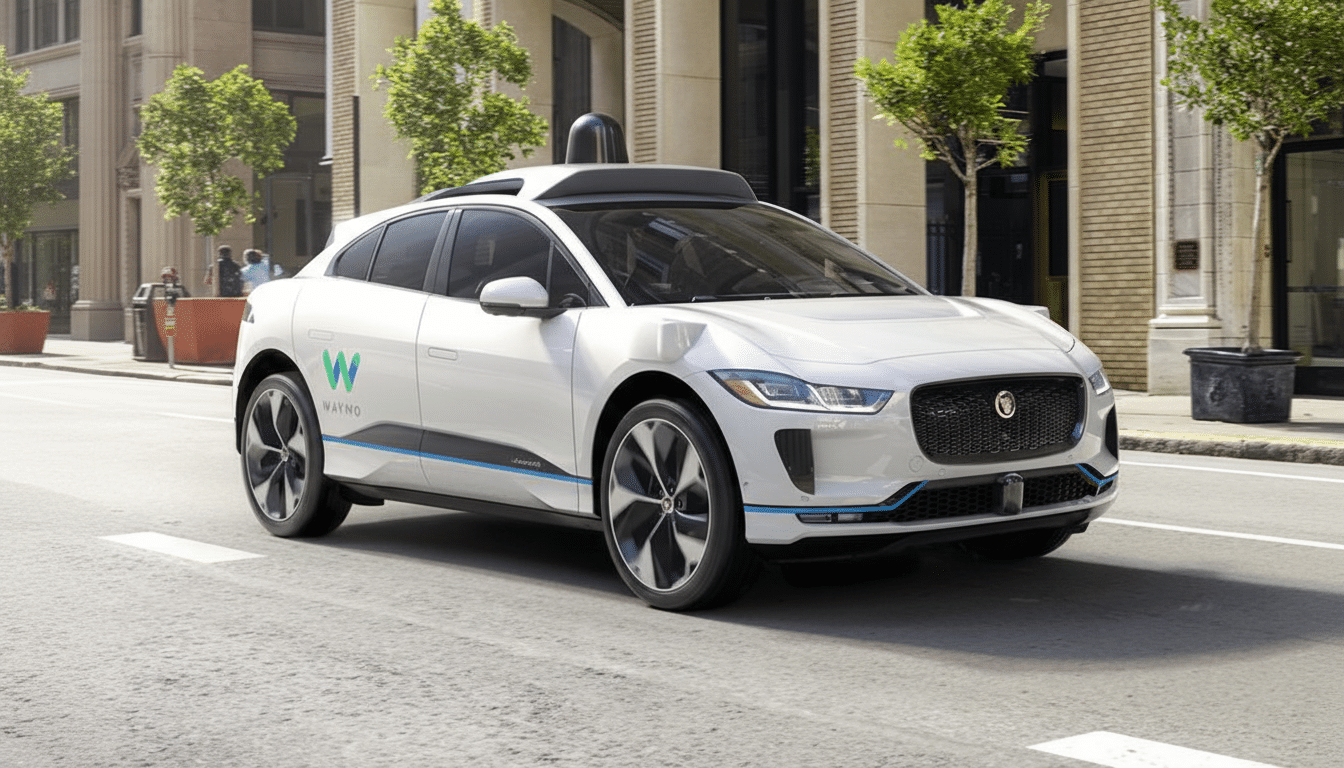
Waymo’s robotaxi fares are edging closer to traditional ride-hailing prices, narrowing a gap that once looked stubborn. Fresh analysis from Obi, a ride-price aggregator, shows autonomous rides remain slightly more expensive than human-driven trips on Uber or Lyft, but the difference is shrinking as Waymo trims rates and competition recalibrates.
For riders, that convergence hints at a turning point: as automation scales and pricing algorithms learn, the once-premium robotaxi could soon feel like a standard option—especially on popular corridors with short wait times.
What the Latest Bay Area Ride Price Numbers Reveal
Obi simulated more than 94,000 ride requests across the Bay Area over a recent five-week sampling period. Average estimated fares landed at $19.69 for Waymo, $17.47 for Uber, and $15.47 for Lyft. In Obi’s earlier analysis, Waymo averaged $20.43, Uber $15.58, and Lyft $14.44. That equates to a 3.62% decrease for Waymo and increases of 12% and 7% for Uber and Lyft, respectively.
The trend line is clear: human-driven platforms have grown pricier amid changing supply dynamics and cost pressures, while Waymo has been tuning its fares downward, at least in the Bay Area. The result is a real, measurable squeeze in the price spread that separates autonomous rides from traditional ride-hailing.
Wait times still matter. Obi’s data points to average ETAs of 5.74 minutes for Waymo, 3.15 minutes for Uber, and 5.14 minutes for Lyft. Longer waits can erode perceived value, so keeping ETAs tight is pivotal for converting price-sensitive riders to AVs.
The key drivers behind the robotaxi–ride-hail price convergence
Three forces are compressing prices. First, AV operators can directly manage fares while fine-tuning vehicle utilization and routing. Second, Uber and Lyft face rising operating costs tied to driver incentives, insurance, and regulatory compliance, which can flow through to riders. Third, Waymo’s expanding coverage and partnerships—including integrations with major ride-hail platforms in certain cities—help improve utilization, a core lever for lowering per-trip costs.
Hardware economics are evolving, too. Waymo is preparing to deploy Ojai, a van-like vehicle co-developed with Zeekr. A lower up-front cost and a design purpose-built for autonomy could push operating costs down and give Waymo room to be more aggressive on fares without sacrificing margins.
Tesla’s Low Prices Come With Big Asterisks
Obi’s report also sampled Tesla’s emerging service, which appeared cheaper than all three rivals. But the caveats are significant. Tesla is not running driverless commercial robotaxis in California; it operates under a transportation charter permit from the California Public Utilities Commission and uses employees to drive vehicles equipped with Full Self-Driving software. That’s a different regulatory category from a driverless AV service or a transportation network company.
Scale is limited. Crowdsourced data from Robotaxi Tracker has logged roughly 168 vehicles in Tesla’s Bay Area fleet, and Obi notes only 156 were spotted during the sampling window. That smaller footprint translates to an average ETA of 15.32 minutes—the longest among services analyzed—raising questions about how prices would look at true scale with broader coverage and consistent availability.
Still, Tesla’s brand gravity is potent. In a survey of 2,000 people across California, Nevada, Arizona, and Texas, more than 50% of respondents who had taken an autonomous ride said they’d ridden in a Tesla-branded vehicle. Preference rankings put Waymo first at 39.8% and Tesla second at 31%. Notably, preferences skewed sharply by gender: 56% of men favored Tesla, compared with 25% for Waymo and 7% for Zoox, while women were roughly evenly split between Waymo and Tesla, with Zoox at 8%.
What It Means for Riders and the Market Today
For riders, the immediate trade-offs are price, ETA, and coverage. Uber still tends to arrive fastest in the Bay Area data, while Waymo’s fares increasingly look competitive on many routes. As AV fleets grow and mapping/operations mature, coverage gaps should shrink, boosting reliability and potentially pulling fares lower through higher utilization.
For the broader market, convergence signals real competition. Waymo is scaling into more cities and collaborating with ride-hail networks. Uber and Lyft are onboarding multiple autonomous partners. Nuro is supplying a self-driving system for modified Lucid Gravity vehicles aimed at a premium robotaxi tier on Uber’s platform, while Hyundai-backed Motional is rebooting commercial service in Las Vegas. New entrants like Avride are lining up additional U.S. cities. More choice typically pressures prices and improves service quality.
Bottom line: robotaxis move toward parity on price and time
The price gap is narrowing because AV operators are improving cost efficiency just as human-driven platforms face upward price pressure. If Waymo maintains shorter ETAs and expands with lower-cost vehicles like Ojai, parity with Uber on many trips looks plausible. The wild card is Tesla: strong consumer interest and low observed prices today come with regulatory and scaling caveats. Either way, the direction is set—robotaxis are moving from novelty to a mainstream alternative, and the next phase of competition is likely to be fought on price, wait time, and network breadth.
