


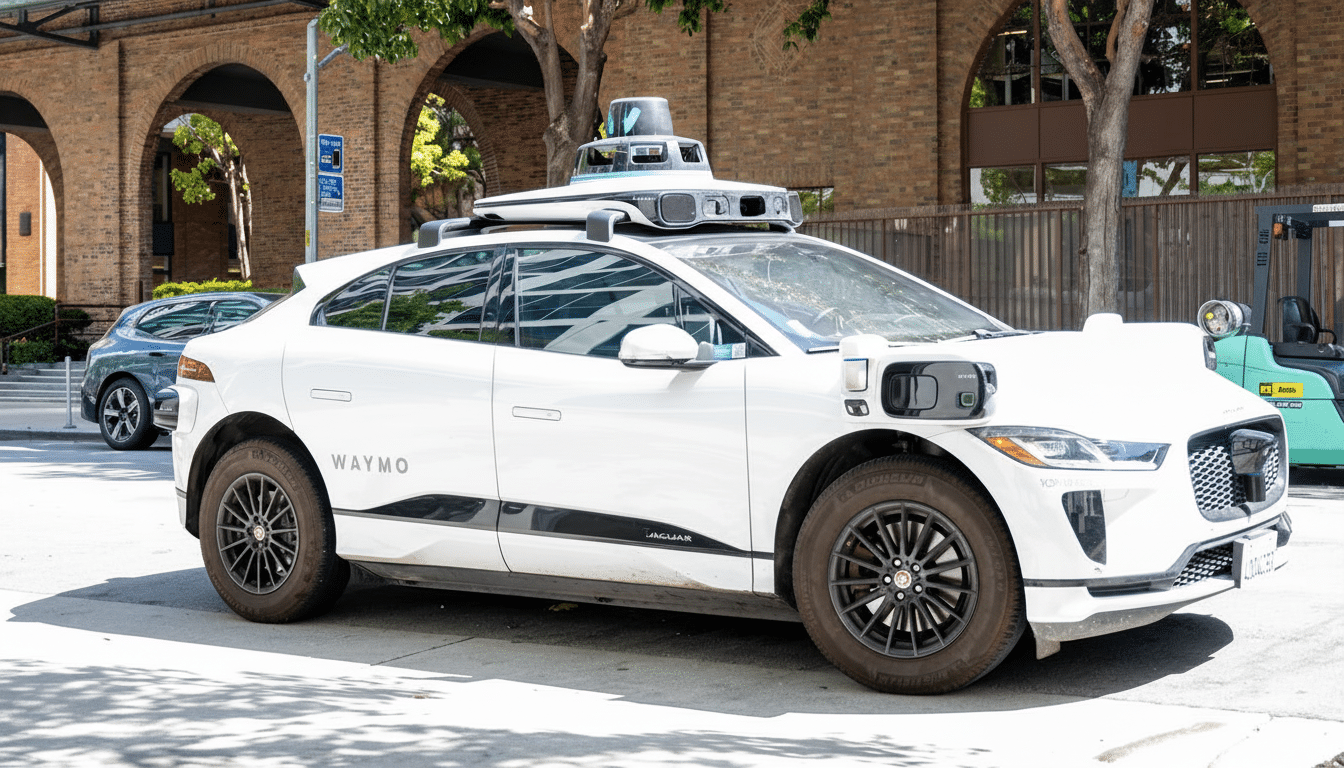
Waymo stopped its robotaxi service in San Francisco briefly when a widespread power outage stranded multiple autonomous vehicles parked in traffic lanes and at intersections, throwing confusion among human drivers and transit operators trying to make their way across the city.
The company said it was suspending ride-hailing operations in the Bay Area as a precaution and working with local authorities to evaluate infrastructure stability. Images and videos shared by residents showed groups of autonomous cars that were stranded on blacked-out streets, a reminder of how integration with city infrastructure can impact the behavior of robo-fleets.
Immediate Suspension and the City’s Response
The power failure was supposedly in response to an earlier fire at a Pacific Gas & Electric substation. Approximately 120,000 PG&E customers were without power during the incident and thousands continued to be so in the restoration hours that followed, reports SFGATE. Traffic lights were dark in several neighborhoods, and Muni service was disrupted as officials warned residents to avoid unnecessary travel.
Without traffic signals in operation, intersections became de facto all-way stops. (That’s hard for human drivers even to do; conservative-behavior autonomous vehicles block lanes as safe-stop-prone ones wait there for left-turn slots through busy intersections.) Social posts recorded gridlock in corridors such as North Beach, where paralyzed superhero “robotaxis” compounded the congestion.
Why a Citywide Blackout Strands Driverless Robotaxis
Self-driving cars continue to run their core perception and planning systems on onboard batteries and compute, so a grid failure doesn’t literally switch them off. The stress comes from numerous simultaneous failures: the dark signals and signage, congested, slimmed-down cellular networks, and bad traffic data or remote assistance links. And when both of those layers fail at the same time, many fleets revert to extremely conservative tactics, pulling off the road or coming to a stop and waiting for new guidance or better conditions.
Most telecom networks can run on backup power, but major outages can knock cell sites offline or overload surviving towers. That hobbles the “teleops” overseers that assist AVs in handling edge cases, from turning left when oncoming traffic does not protect its lane to fickle pedestrian flows at unlit intersections. If connections are lackluster, the vehicles might not get the fleet’s go/no-go orders or its re-routings around affected zones.
Another reason is scaling rule interpretation. At one dark intersection, what it did was the right thing. Over dozens of neighboring lights, without traffic officers to direct their flow, algorithms that skimp decisively can come to standstills — particularly when human drivers themselves do not always adhere perfectly to four-way stop etiquette. The result is a cascading shutdown that exhibits the appearance of a stall, even if the system is functioning properly.
What Regulators and Operators Will Be Watching
“I know DMV and PUC, as well as NHTSA, will be probably looking at that to see whether the event is covered by the (autonomous vehicle) operator’s operation design domain or business model,” Ammann said. “They’ll look with a level of detail at what happened there.” Anticipate increased focus on multi-carrier connectivity needs, minimum levels of performance when communication breaks down, and protocols to get disabled AVs safely off vital surfaces fast.
Operators and cities are currently running tests to understand how effective resilience tactics (moving response teams or hiring out-of-area mechanics; dynamic geofencing around impact areas to keep work vehicles from stationing; better disambiguation logic on how we handle dark signals) would be. Some researchers posit parallel vehicle-to-infrastructure pilots that would broadcast some minimal amount of “signal dark” status from intersections even when full traffic control is lost, providing AVs a less nebulous policy than pure inference.
Transparency will matter. A brief post-mortem from Waymo explaining what didn’t work, what the system tried to do otherwise, and how software will adapt can help regulators — and the public — distinguish between safe, conservative stops and actual system failures that require design changes.
The Stakes for Waymo and the Autonomous Vehicle Space
Scale amplifies rare events. A letter to investors said that Waymo is now giving around 450,000 rides a week, almost twice the number the company previously said it was offering at the beginning of this year. At that volume, even citywide outages with relatively low probabilities will regularly cross with active trips, so fleet-level resilience and graceful degradation are as important as perception accuracy.
The blackout also raises a fundamental question for driverless mobility: How should AVs balance extreme caution with the imperative to keep traffic moving when the infrastructure breaks down? The public trust depends on avoiding both pitfalls and paralyzing gridlock. Advances to expect are better dark-signal logic; offline driving rules that stay relevant without a cloud update; and cozier incident collaboration with utilities and transportation authorities.
Waymo says it is working with city officials and will resume service once its networks and roadways are stable.
The episode could be a productive stress test of where autonomous stacks need improvements and, as well, how cities can do better by all road users when the lights go out.
