


Waymo’s driverless fleet can now pick up and drop off travelers at San Francisco International Airport, marking a pivotal expansion for the Alphabet-owned robotaxi operator. The service is rolling out first to a subset of riders and will broaden to all users over time, with airport trips staged at the SFO Rental Car Center, which is connected to terminals via the AirTrain.
The move gives Waymo a critical foothold on one of the Bay Area’s most in-demand travel corridors and underscores the company’s push to scale trip volume and geographic coverage. Company leaders have framed airport access as one of the most requested features from riders and a building block for sustained commercial growth.
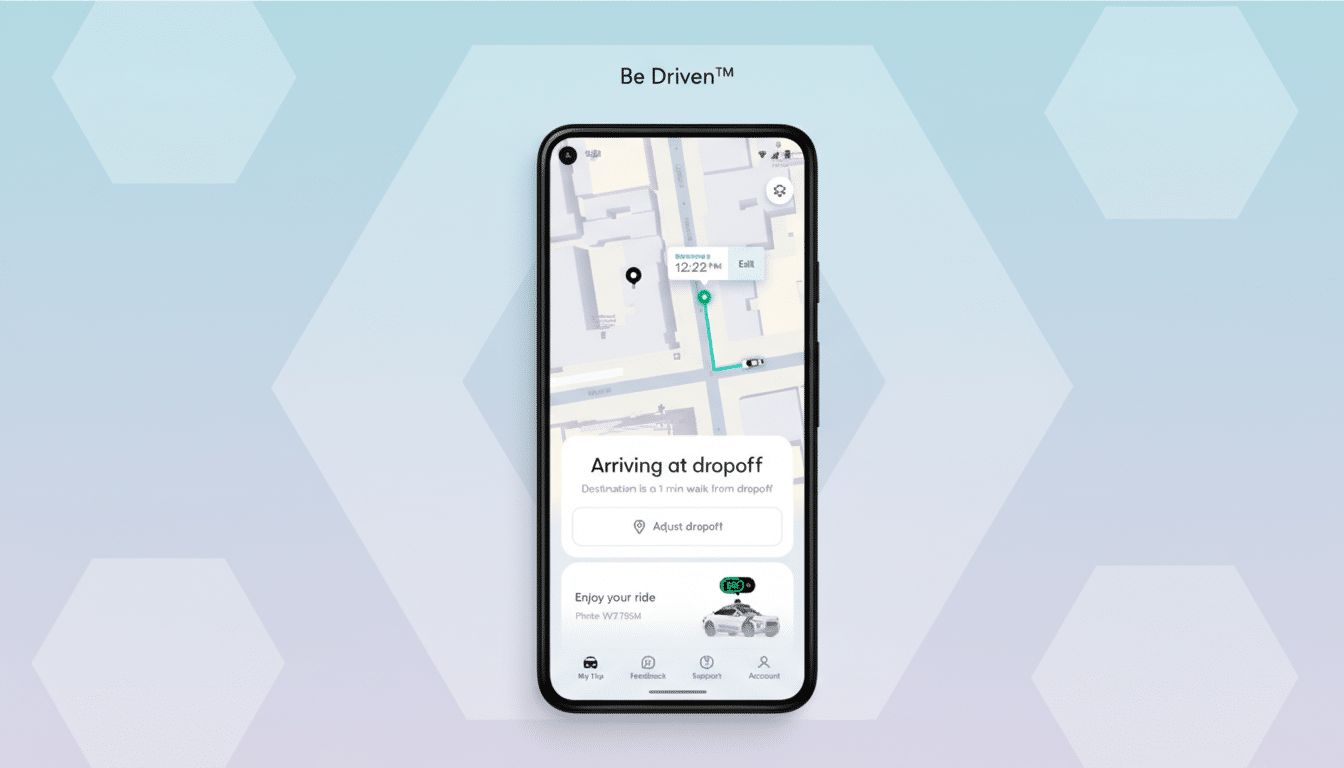
What Riders Can Expect When Using SFO Robotaxi Service
Riders heading to or from SFO will request trips through the Waymo app and meet the vehicle at the Rental Car Center, a centralized location used by many ground transport services. From the terminals, travelers take the AirTrain—an automated people mover with frequent service—to reach the pickup area.
Using the Rental Car Center sidesteps congested terminal curbs and simplifies mapping, staging, and safety operations for autonomous vehicles. Waymo says it intends to add service to additional airport locations as it expands operational readiness and works with airport authorities.
Why Airport Access Matters For Scaling Autonomous Rides
Airports are among the highest-yield routes for ride-hailing, often representing a meaningful share of trip volume in major metros, according to ground transportation reports from large airports and city agencies. For a robotaxi network, reliable airport service is both a demand driver and a systems test: vehicles must handle freeway segments, complex merges, high passenger turnover, luggage loading, and tight timing windows.
Waymo has steadily widened its operating domains in the Bay Area, adding freeway coverage and extending service south through Silicon Valley. The SFO link plugs a conspicuous gap in that network, enabling a door-to-door driverless option between the region’s densest neighborhoods, corporate campuses, and its primary international gateway.
Safety And Oversight Remain Front And Center
The new airport capability arrives as Waymo faces heightened scrutiny from federal investigators. The National Highway Traffic Safety Administration is examining a recent incident in which a Waymo vehicle struck a child in Santa Monica, as well as the company’s robotaxi behavior around school buses. The National Transportation Safety Board has also opened an inquiry, underscoring the level of oversight on autonomous operations in public spaces.

Airport service adds its own compliance layers. SFO has been working with Waymo under a testing and operations pilot permit, a step that typically covers designated pickup zones, signage, and coordination with airport operations teams. In California, commercial robotaxi activity is also governed by the Department of Motor Vehicles’ autonomous deployment rules and the California Public Utilities Commission’s driverless service permits. Expect data sharing and performance monitoring to be integral to keeping airport access.
Building A Bay Area And National Network
Beyond SFO, Waymo already connects much of the San Francisco Peninsula and South Bay and has access to San Jose International Airport. In the Phoenix market, the company provides curbside service at Sky Harbor International, offering a glimpse of how airport operations can evolve once procedures are proven and facilities are adapted to autonomous pickups.
Waymo also operates in parts of Los Angeles, Austin, Miami, Atlanta, and across most of Phoenix, with expansion strategies that prioritize contiguous coverage and high-frequency corridors. Airport integration is a logical next step in each city, but execution hinges on local rules, curb management, and real-world safety performance.
What To Watch Next As Waymo Scales Airport Service
In the near term, Waymo will meter access to SFO trips while it measures on-time performance, pickup dwell times, and rider experience with the AirTrain transfer. Over time, improvements may include additional pickup points, dynamic staging to match flight banks, and tighter integration with the broader Bay Area service area for smoother handoffs between surface streets and freeways.
If the SFO rollout delivers consistent reliability and satisfies regulators, it could become a template for airport operations in other markets—and a catalyst for higher utilization across Waymo’s driverless fleet. For travelers, the headline is simple: a new, fully autonomous way to get to and from one of the country’s busiest airports has arrived.
