


Waymo is set to rebrand its purpose-built Zeekr robotaxi as Ojai, a name designed to appeal directly to U.S. riders who perhaps cannot instantly place the badge of Chinese automaker Geely but might warm up to a friendly, easy-to-pronounce name when summoned during an app search or accessed via other first point-of-contact touchpoints. The new name is a hat tip to the Southern California town and the vehicle’s way of welcoming passengers — reportedly with an “Oh hi” spoken after their name when they get in.
A brand made for rider trust in Waymo’s U.S. robotaxi service
The reasoning from Waymo is simple: Most Americans don’t recognize Zeekr and unfamiliar foreign branding can be a subtle barrier in a safety-critical service that depends on trust. Spokesperson Chris Bonelli positioned the change as a rider-first decision, an extension of a larger rule in robotaxi business: every touchpoint, from the app icon to what the cabin voice sounds like, influences if a new user wants to try autonomy and come back for a second ride.
- A brand made for rider trust in Waymo’s U.S. robotaxi service
- From idea to Ojai: what changed in Waymo’s Zeekr robotaxi
- The sensor stack under Ojai’s skin: cameras, lidar, radar
- Pilot access precedes rollout in San Francisco and Phoenix
- Why names matter in autonomy and rider-centered robotaxi design
- What to watch next for Ojai’s launch and rider experience
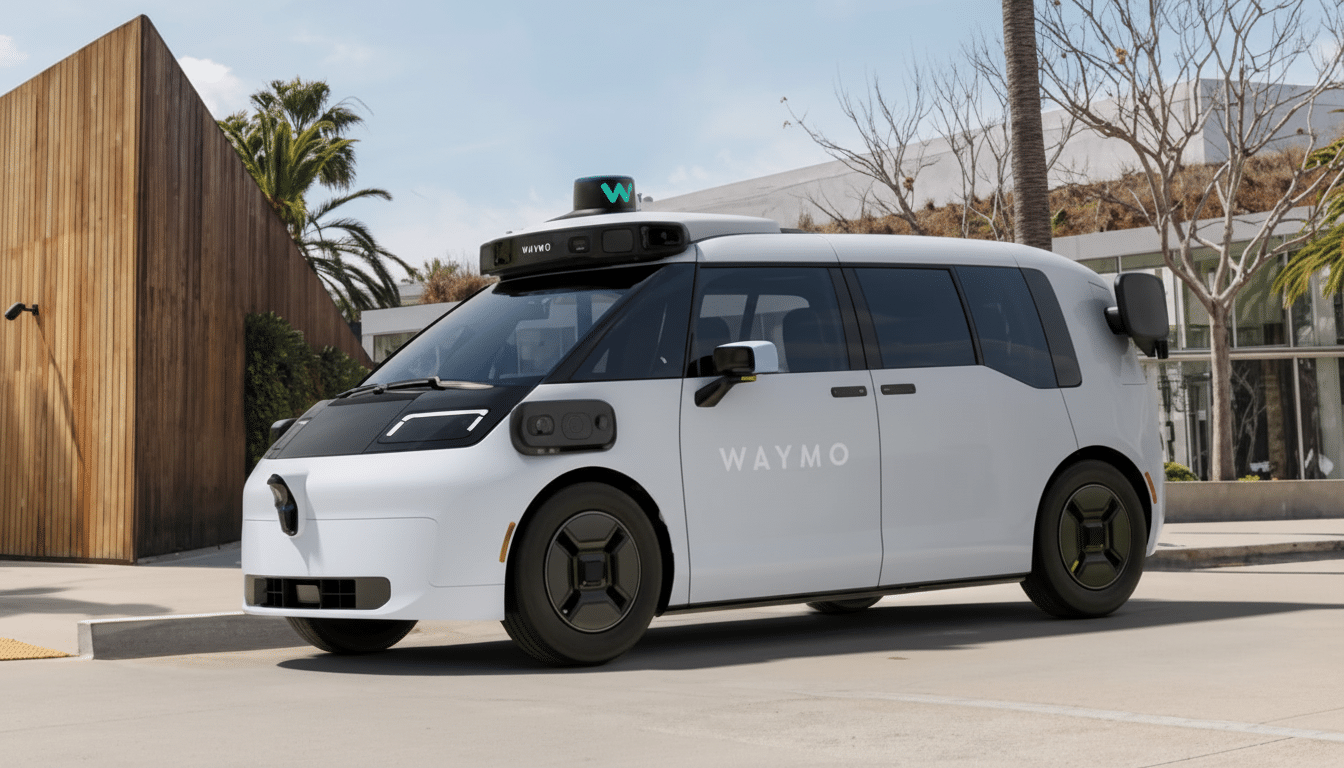
The timing makes sense. Consumer surveys by groups like AAA have found that comfort with autonomous rides has been slowly developing. Clean, local branding that looks good and feels human can significantly increase adoption in nascent markets. It also allows Waymo to focus attention on its service experience and safety record — rather than the ins and outs of international manufacturing partnerships.
From idea to Ojai: what changed in Waymo’s Zeekr robotaxi
Zeekr’s first Waymo concept famously featured a cabin without a steering wheel. The Ojai iteration adds one. That’s not moving backwards — it makes good bridge sense in production, homologation and maintenance flexibility requirements as regulators are still updating vehicle standards to pertain to a fully driverless configuration. It also enables mixed-use scenarios, when, during testing, companies might have to move a vehicle or perform other tests.
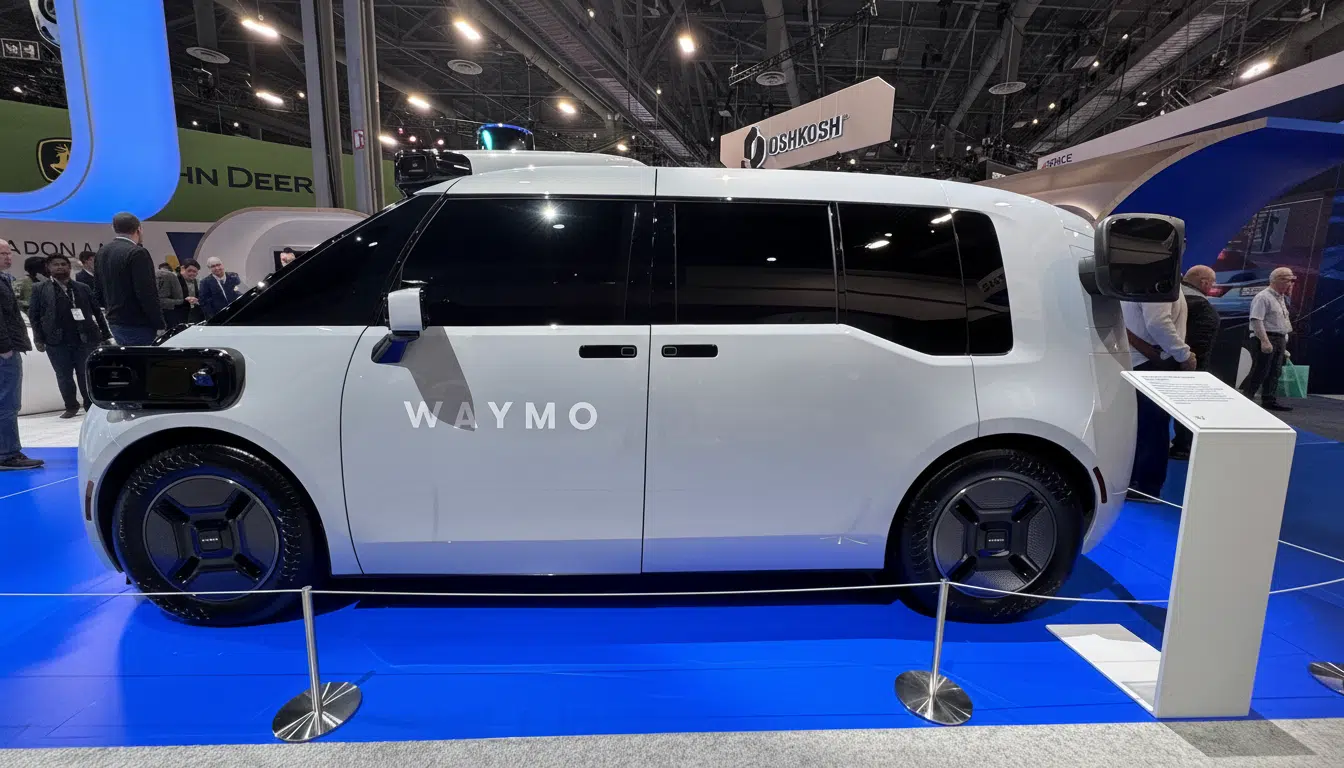
Inside, the space is genuinely purpose-built for autonomy: a flat floor, ample headroom and sliding doors should mean faster, safer curbside pickups in crowded cities. The aim is throughput and comfort — fast boarding, good visibility out the side windows of a long vehicle that works for both solo riders, groups or access issues.
The sensor stack under Ojai’s skin: cameras, lidar, radar
Ojai is packed with a dense sensor suite that Waymo has iterated over millions of miles of on-road driving and extensive simulated driving. The demonstrated configuration packs 13 cameras, four lidar systems, six radar modules, an assortment of external audio receptors and even little wipers to keep vital optics clear in inclement weather. The overlap is intentional: different modalities are ideally suited for sensing at different ranges and under different conditions, and this shared coverage contributes to robustness in maintaining situational awareness when glare (or rain) occludes one sensor.
This platform is based on the mobility architecture specifically developed by Zeekr, designed for commercial fleet and high uptime. For Waymo, that’s an interior and electrical backbone purpose-built from the start for autonomous compute, high-voltage thermal management, and ruggedization to withstand 24/7 operation.
Pilot access precedes rollout in San Francisco and Phoenix
Waymo employees and a limited group of friends and family members can already book Ojai rides in San Francisco, as well as in Phoenix, the usual last step before wider public access. Limited-access pilots allow the company to validate everything from rider onboarding and voice prompts to charging, cleaning, and fleet dispatch in real city conditions.
The rebrand comes as Waymo accelerates its expansion. The company already offers commercial driverless service in cities such as Atlanta, Austin, Los Angeles, Phoenix and San Francisco — and has announced plans to bring driverless cars to a number of others, including Denver, Las Vegas and London. Expanding into varied geographies helps train the system on different traffic cultures, street designs and weather patterns — critical for safely generalizing performance.
Why names matter in autonomy and rider-centered robotaxi design
In a tech-driven field where experience might be overlooked, names do the trick. Cruise relied on Origin as a way to emphasize that it was designed from scratch, while Zoox plastered its name on the front of its shuttle. Ojai fits into Waymo’s service-as-a-platform approach: it is friendly, place-rooted and not affiliated with an automaker. It also avoids the complexity of educating riders about supply-chain partners they will never encounter face to face.
The clarity of a brand can ripple into policy and operations. Regulators, including the California Public Utilities Commission and the National Highway Traffic Safety Administration, scrutinize safety records, but public sentiment determines the political climate in which permits are both issued and expanded. A memorable name combined with clear safety reporting can also reduce the friction of city-by-city negotiations and community outreach.
What to watch next for Ojai’s launch and rider experience
The questions in the nearest term are practical: how soon Ojai enters full public service, how neatly it plays with Waymo’s other fleet models — and whether there will still be a steering wheel as standards of safety continue to evolve. Also look out for rider experience touches — personalized greetings, cabin displays, and assistive features often make the difference between new users who become loyal ones.
If Ojai sticks its landing, the rebrand will seem less like cosmetic tinkering and more like a hinge that opens to reveal something strategic, even profound: a rider-serving identity for a vehicle engineered to turn autonomy from tech demo into reliable, everyday service.
