


A new bathroom device is transforming the toilet into a hydration coach. Enter the $99 Vivoo Smart Toilet, which makes urine readings with an optical sensor and offers near-instant gratification of whether you’re drinking enough water by way of a companion app.
How the Smart Toilet Works to Measure Hydration
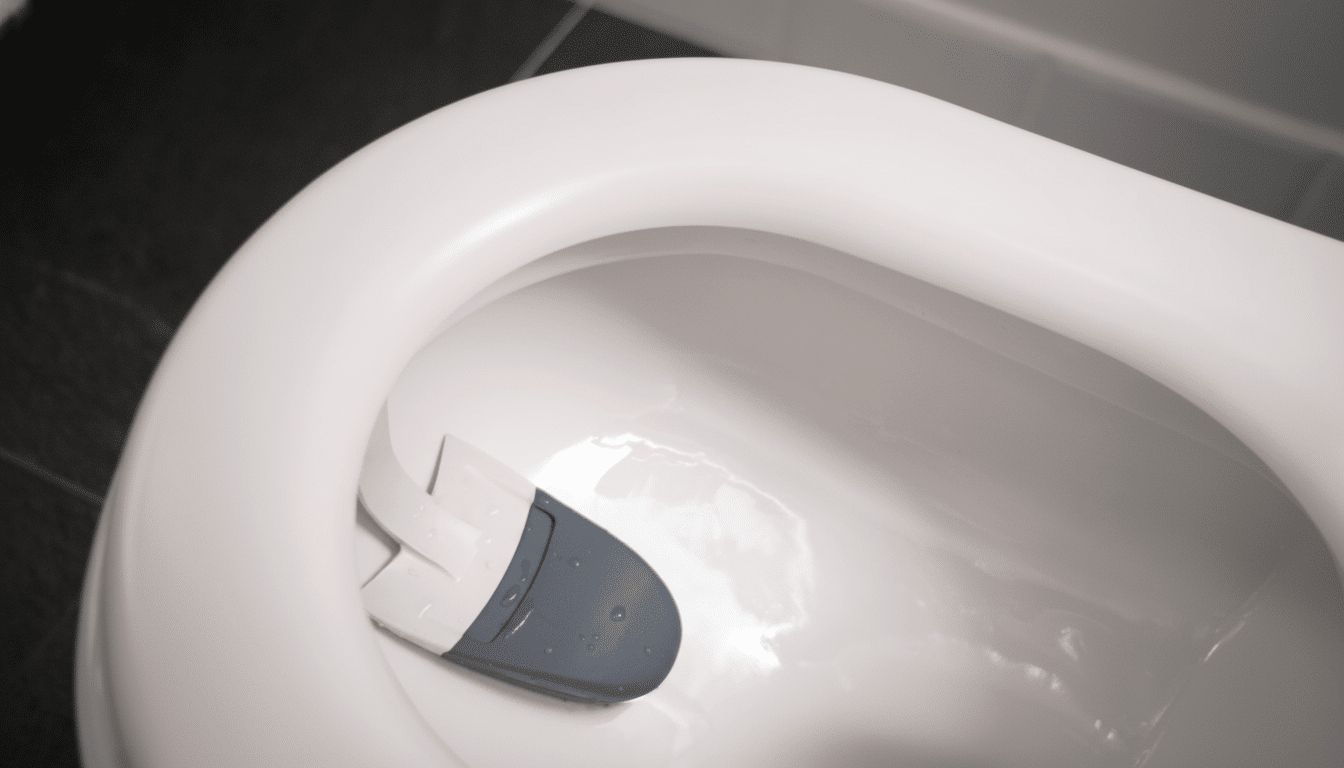
The system clips onto the rim of most toilets with a U-shaped module that temporarily tests urine as it passes through during regular use. Before you go, you pair it with the Vivoo app over Bluetooth; the app notifies you when to pee and when time is up for flushing once readings are done. Results: Hydration status and basic guidance arrive in 45 seconds or so.
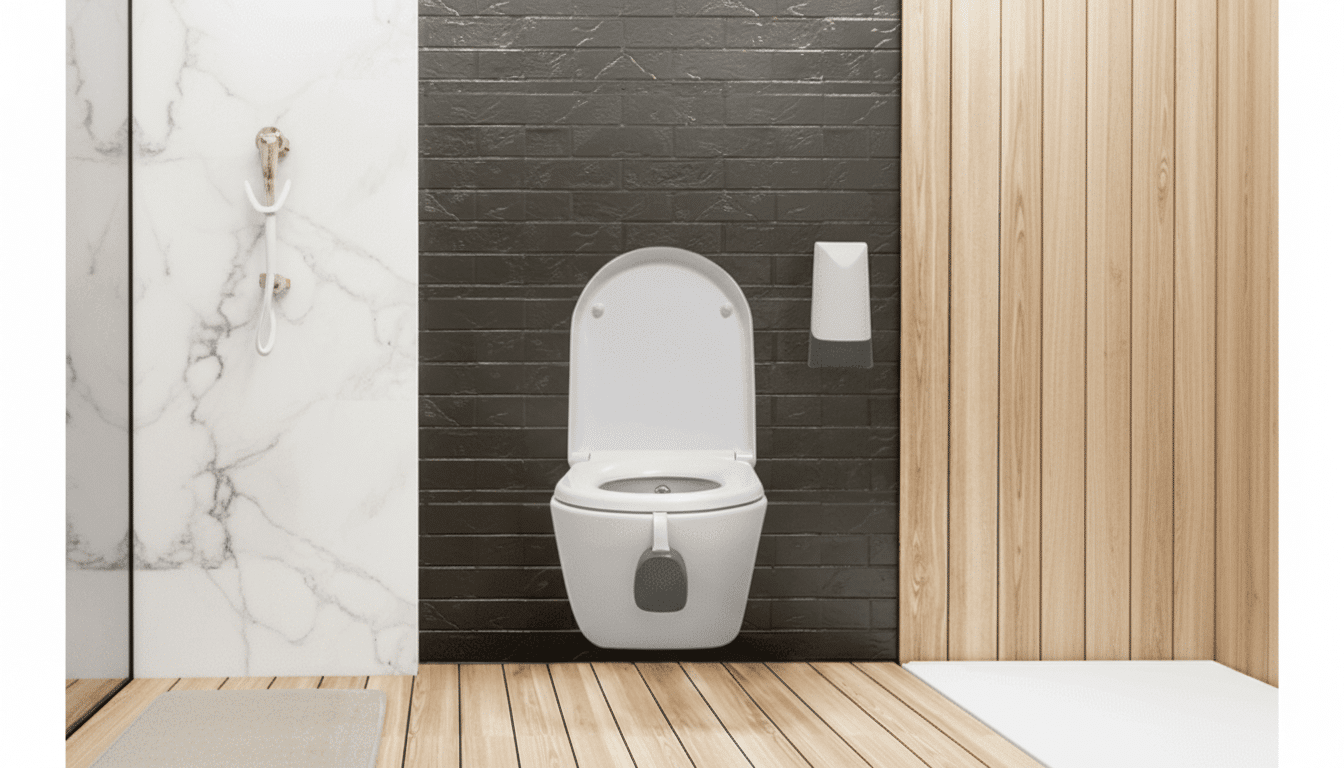
Vivoo says the optical sensor measures urine concentration to estimate how well-hydrated you are, a method that is founded on evidence for sports and clinical use. The module is good for over 1,000 tests per unit — a significant jump in longevity for this class. The company also states that the data are encrypted and securely stored.
Upon launch, the app is compatible with Android 14 or later and iOS 17 or later. The software costs nothing for the first three months, then $2.99 each month for continued features and support. Vivoo says shipping is set to start in July.
Why Hydration Tracking Matters for Daily Wellness
That’s because hydration can impact mood, cognition and physical performance. The National Academies of Sciences, Engineering and Medicine recommends daily adequate intakes around 3.7 liters of total water for men and 2.7 liters for women, though needs depend on climate, activity and diet. And even mild dehydration can impair attention and endurance, while long-term shortfalls can stress the kidneys.
Urine variables: Urine measures are a common marker of hydration. In sports, coaches frequently have players monitor urine specific gravity (USG) or color; the National Athletic Trainers’ Association calls USG values of under about 1.020 generally well-hydrated for a variety of kinds of sports. Although lab osmolality is considered the gold standard, there are many optical and color-based methods employed as devices to assist daily living habits.
The under-drinkers: Older adults, outdoor workers and endurance athletes are at the greatest risk of underhydration. Low fluid intake can increase the risk of kidney stones, especially during hot weather, according to the National Kidney Foundation. Getting woken up when your numbers are moving in the wrong direction could be meaningful for these populations.
How It Compares to Withings and Other Bathroom Tech
Bathroom health tech has been revving up. In the wake of high-profile experiments in fecal analysis and connected bathroom scales, it seems urine-sensing gadgets are poised to become a useful daily check-in. Its closest competition — at least in conception — is Withings U-Scan, a cartridge-based system with strong lab bona fides and broader biomarker ambitions. Where the Vivoo is looking for simplicity and lower cost, Withings approaches this with modular cartridges and periodic refills.
By the numbers, Vivoo has a durability edge: over 1,000 tests per device versus 20-plus for each Withings cartridge. That longevity could be a tipping point for households needing to check often but that don’t want a kit that uses up consumables.
Privacy and the App: Data Handling and User Control
Bathroom info is also personal, and most consumer wellness apps are not subject to coverage by HIPAA. Health apps should respect privacy promises and safeguard consumer data, the Federal Trade Commission has cautioned. Vivoo says it encrypts data and stores it in a secure manner; potential buyers will still want to read the privacy policy, which details how data is retained and shared, and offers ways to remove information or opt out of analytics.
Who’s it for: The hydration-savvy folk who want more than scores. Aside from scores, the app provides reminders to drink up, targets that are suggested, and trends to watch. The true value could be patterns over time, especially when routines change with seasons or training cycles.
Who It’s For and What to Watch Before Getting One
For runners who tune fluid strategies, desk workers who forget their water bottles at home or caregivers looking after an older adult — a passive, automatic check-in is interesting. It’s built into a daily habit, so there’s no extra step to remember.
There are limits. Protein content is higher in morning urine; some supplements and medications can skew readings, and acute illness modifies fluid needs. Like other wellness devices, the sensor offers guidance, not a diagnosis. If you have conditions influenced by hydration — kidney disease, heart failure, recurrent stones — talk about it with a clinician who can discuss targets and trends.
Still, the pitch is a straightforward one: low-cost, low-effort means of keeping hydration on point. If Vivoo’s sensor is as accurate in the average bathroom and its privacy posture as advertised, then the lowly toilet might just end up doubling as one of the most useful health monitors in the home.
